scallops guide
How to buy scallops (and where)
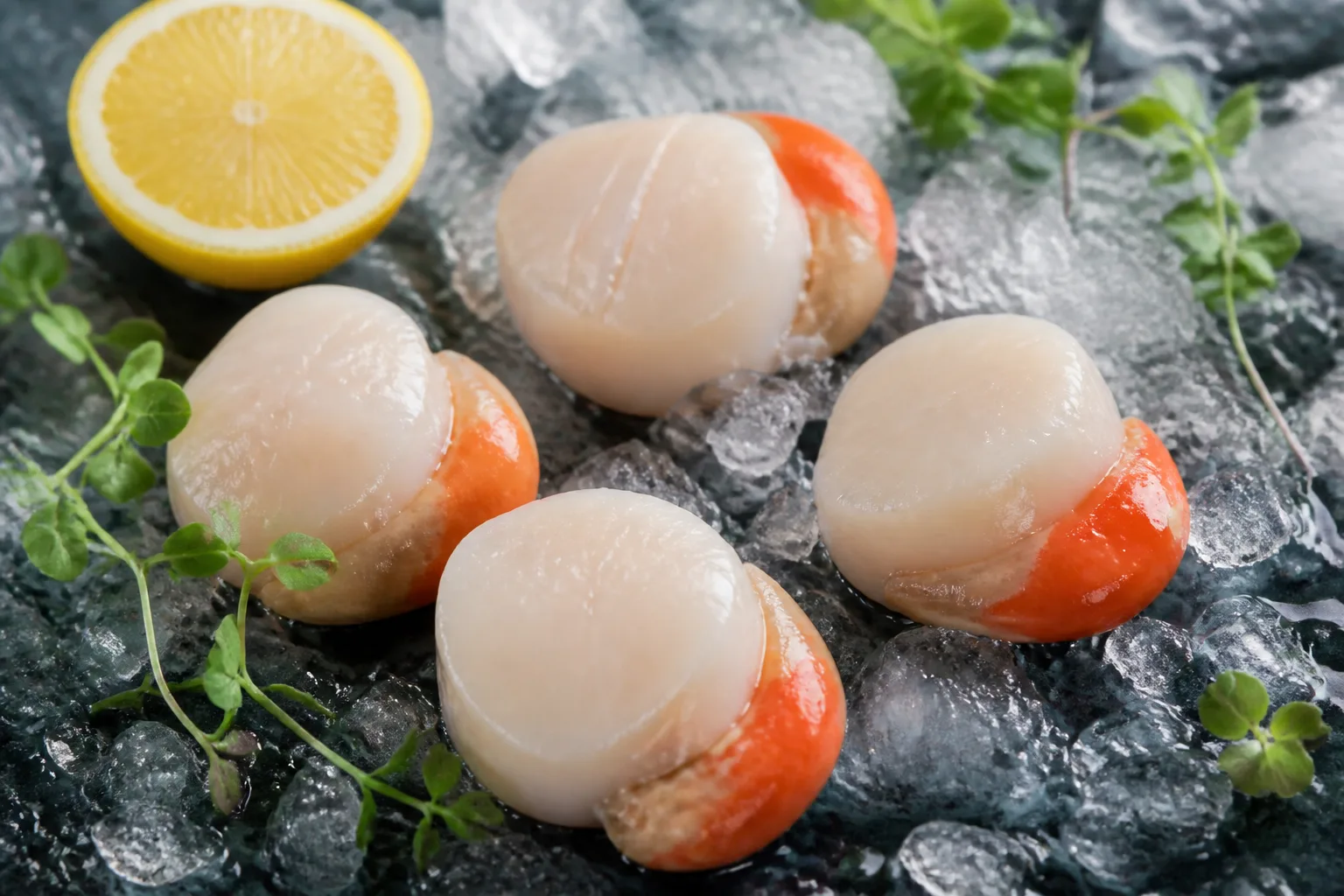
Always ask for dry scallops. Wet (soaked) scallops cost the same per pound but you pay for water.
Scallop sizes
| U10 | Under 10 per pound: the biggest; best for searing. |
|---|---|
| 10/20 | 10 to 20 per pound: good all-round sear size. |
| 20/30 | Smaller sea scallops: pasta, skewers. |
| Bay scallops (60/100+) | Tiny and sweet: quick sautés, pasta, gratins. |
How to Choose Good Scallops
- Raw scallop flesh should look pearly with little or no smell (FDA).
- Dry scallops are ivory to pinkish and slightly sticky; bright white scallops sitting in milky liquid are usually wet-packed.
- Frozen: choose IQF scallops frozen hard, with no frost or torn packaging (FDA).
Source: US FDA – Selecting and Serving Fresh and Frozen Seafood Safely
How much to buy
Fresh vs Frozen Scallops
Frozen scallops can be excellent. Many are frozen at sea or soon after landing, and "fresh" scallops at a counter have often been thawed. Look for scallops frozen individually and labelled "dry" or "dry-packed", and thaw them yourself the day you cook. Truly fresh dry scallops from a good fishmonger are the best choice for searing.
Where to Buy Scallops
- Fishmongers and seafood markets: dry sea scallops, sometimes in the shell, and staff who know the source.
- Supermarket counters and freezers: frozen sea and bay scallops; check for "dry".
- Online seafood shippers: frozen dry sea scallops shipped frozen.
Labels and Certifications
Most seafood sold at US retailers must show its country of origin and whether it is wild or farmed. On scallops, also look for "dry" or "dry-packed": wet scallops are treated with phosphates and the label should say so. Ask for the species, because calico scallops are sometimes sold as bay scallops.
The MSC blue label marks a certified sustainable wild fishery, and ASC marks a certified farm. Seafood Watch and the Good Fish Guide rate specific scallop sources.
Sources: Marine Stewardship Council · Aquaculture Stewardship Council · Monterey Bay Aquarium Seafood Watch · Marine Conservation Society – Good Fish Guide
How to Store and Thaw Scallops
- Refrigerate fresh scallops right away, in the coldest part of the fridge, and cook them within 1 to 2 days.
- Keep them in a covered container set over ice or on a paper-towel-lined plate, not sitting in liquid.
- Freeze them in a single layer, then bag them, so they do not stick together.
- Thaw overnight in the fridge. For a quick thaw, seal them in a bag and put it in cold water. Never thaw them at room temperature.
- Pat thawed scallops very dry before cooking.
Sources: FoodSafety.gov – Cold Food Storage Chart · US FDA – Selecting and Serving Fresh and Frozen Seafood Safely
Season Your Scallops
Scallops need very little: salt, a good sear and a squeeze of lemon. A pinch of seafood seasoning or a citrus-chilli blend in the brown butter adds a restaurant finish. Our spice shop has seafood blends from around the world.
Buying Scallops in the Shell
In the UK, Europe and parts of the US you may find live scallops in the shell. They should be tightly closed or close when tapped, smell of the sea, and feel heavy. Ask the fishmonger to shuck them for you, or shuck them at home on the day of purchase, keeping only the white muscle and, if you like, the roe.
Source: US FDA – Selecting and Serving Fresh and Frozen Seafood Safely
Fresh Scallop Quality Checks
- Fresh scallops should smell sweet and of the sea, never fishy or sour.
- Look for an ivory or slightly pink color; very bright white scallops sitting in milky liquid are often wet-packed.
- The flesh should be firm and moist, not mushy or dried out.
- Frozen scallops should be frozen hard, with no frost or freezer burn inside the bag.
Source: US FDA – Selecting and Serving Fresh and Frozen Seafood Safely
Scallop Sizes on the Label
Sea scallops are graded by how many make up a pound, written as a count such as "U10" (under ten per pound) or "10/20". A lower number means bigger scallops. For a hard sear, pick a larger size; for pasta or chowder, smaller sizes or bay scallops work well and cost less.
Buying Scallops Online
Online seafood shippers are a good option for dry-packed sea scallops if you live far from the coast. Check that the listing names the species and origin, says "dry" rather than treated, and ships frozen in an insulated box. Put the scallops straight into the freezer when they arrive, and thaw only what you need, in the fridge, the day before you cook.
At the supermarket, the freezer case is often a better bet than the counter, where scallops may have been thawed and kept chilled for a while. Ask the staff whether counter scallops were previously frozen.
What to Ask Your Fishmonger
A good fishmonger will answer these questions easily. Clear answers about origin and treatment are the best sign you are buying quality scallops; many retailers also label where scallops came from and whether they are wild or farmed.
- Are these scallops dry-packed or treated with phosphates?
- Were they previously frozen, and when were they thawed?
- What species are they, and where were they caught or farmed?
- Can I smell them before you wrap them?
- Do you have frozen-at-sea scallops in the freezer case?
Source: US FDA – Selecting and Serving Fresh and Frozen Seafood Safely
How Many Scallops to Buy
Large sea scallops are rich, so a few per person is usually enough for a main course with sides, and fewer for a starter. Small bay scallops go further in pasta, chowder and stir-fries. If you are unsure, tell your fishmonger how many people you are serving and how you plan to cook them, and ask for their advice.
For fishmonger addresses in 30 cities, use our shared fish markets directory. The sections above are scallops-specific buying and storage.
FAQs
Are frozen scallops as good as fresh?
Often, yes, if they are dry-packed and frozen quickly. Thaw them in the fridge and pat them dry.
How long do scallops last in the fridge?
Raw scallops keep 1 to 2 days in the fridge; cooked scallops 3 to 4 days (FoodSafety.gov).
What is the difference between dry and wet scallops?
Wet scallops are soaked in a phosphate solution that adds water. Dry scallops are not, so they sear better.
Where do most scallops come from?
US sea scallops are wild-caught in the Atlantic; many imported scallops are farmed in Asia.