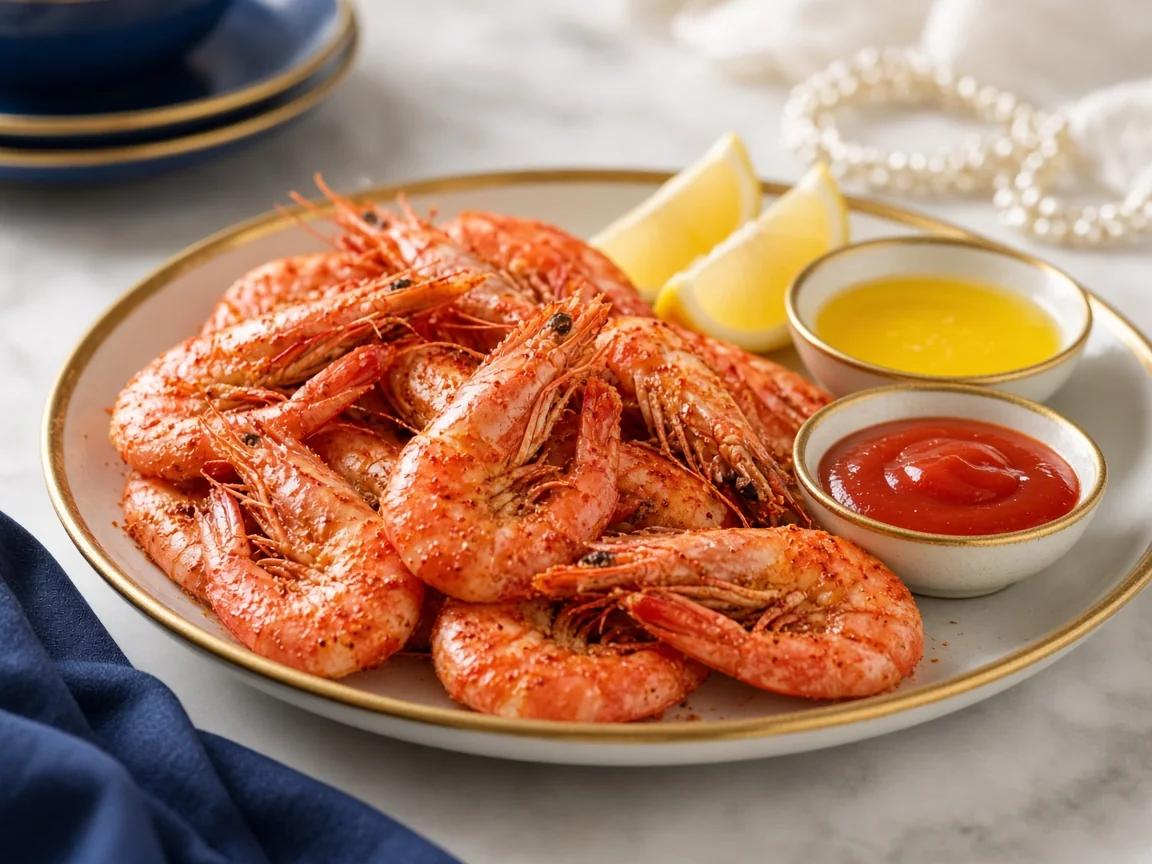
International · Medium
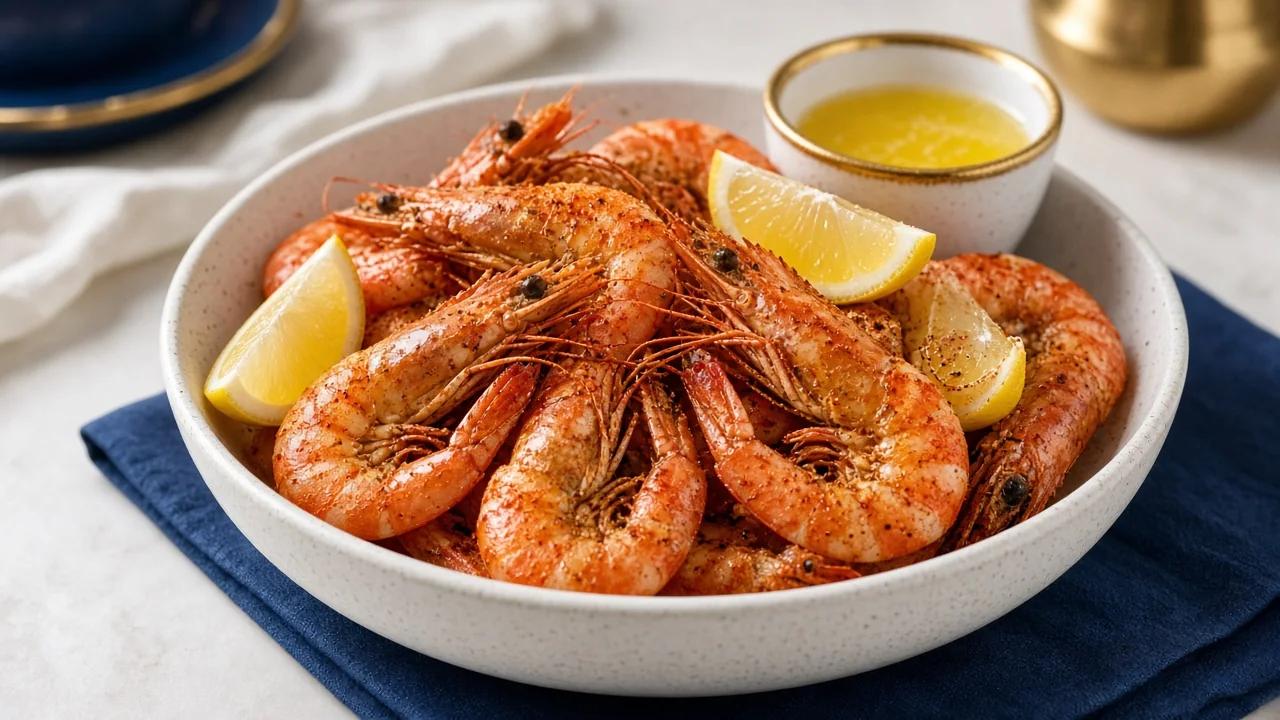
Chesapeake Steamed Shrimp with Seafood Seasoning
Maryland-style peel-and-eat shrimp, steamed over beer and vinegar under a thick coat of Chesapeake seafood seasoning. Messy, spicy and perfect with cold drinks.
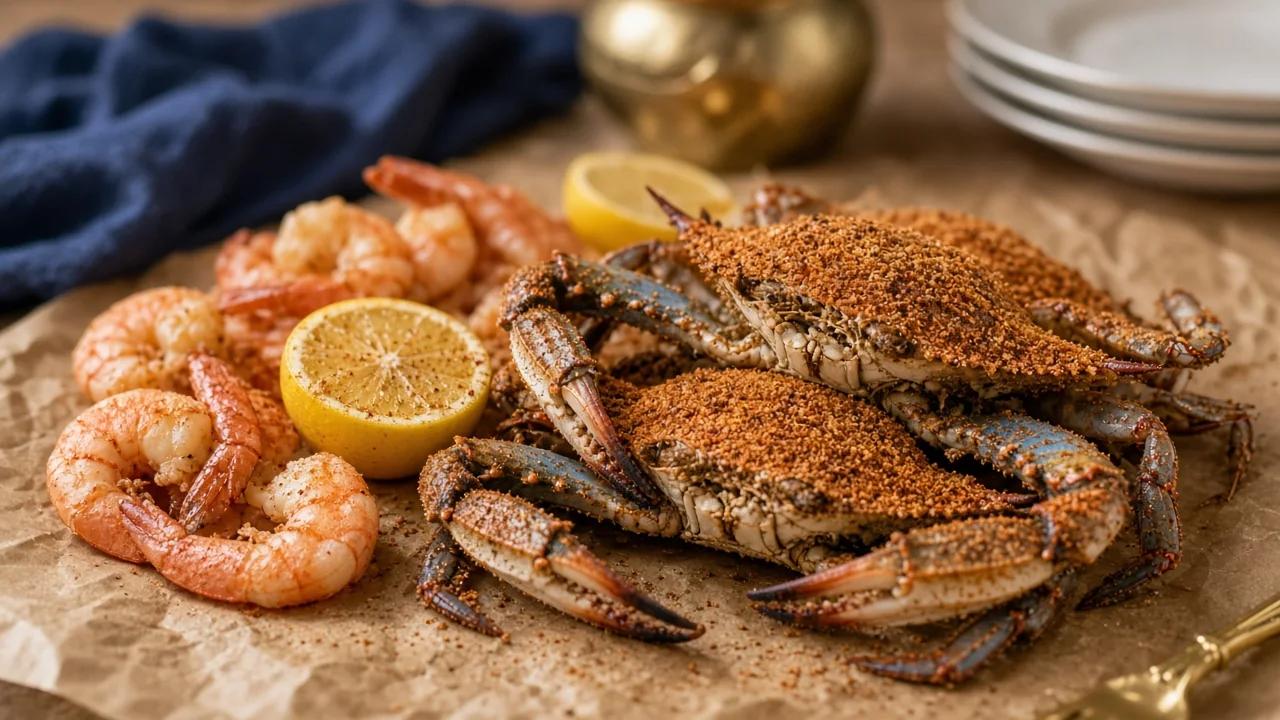
Seasoning blend
Seafood seasoning is an all-purpose blend of celery salt, paprika, garlic, lemon and herbs that flatters any fish or shellfish without overpowering it. Mix the recipe below for about ⅓ cup, ready in 5 minutes.
Quick facts
about 6 tbsp (about ⅓ cup, ~49 g) · **Prep:** 5 min · **Shelf life:** 6 months airtight, cool and dark
| Ingredient | Amount | Grams |
|---|---|---|
| Celery salt | 1 tbsp | 16.5 g |
| Paprika | 1 tbsp | 6.9 g |
| Garlic powder | 2 tsp | 6.2 g |
| Onion powder | 1½ tsp | 3.6 g |
| Dried lemon zest | 2 tsp | 4.0 g |
| Dried parsley | 2 tsp | 1.0 g |
| Dried dill | 1 tsp | 1.0 g |
| Black pepper | 1 tsp | 2.3 g |
| Mustard powder | ½ tsp | 1.3 g |
| Cayenne | ¼ tsp | 0.5 g |
| Fine salt | 1 tsp | 6.0 g |
Measure all 11 ingredients into a small bowl; crumble dried herbs between your fingers.
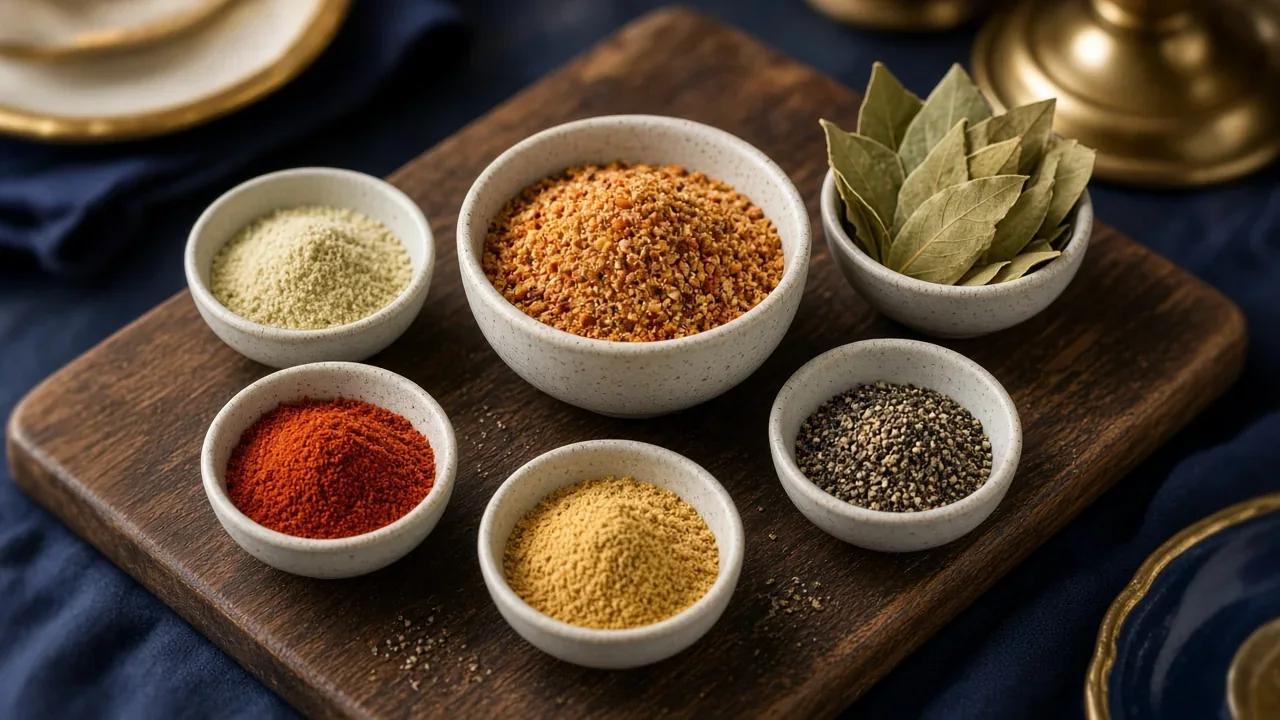
Whisk for 30 seconds until the colour is even with no streaks.
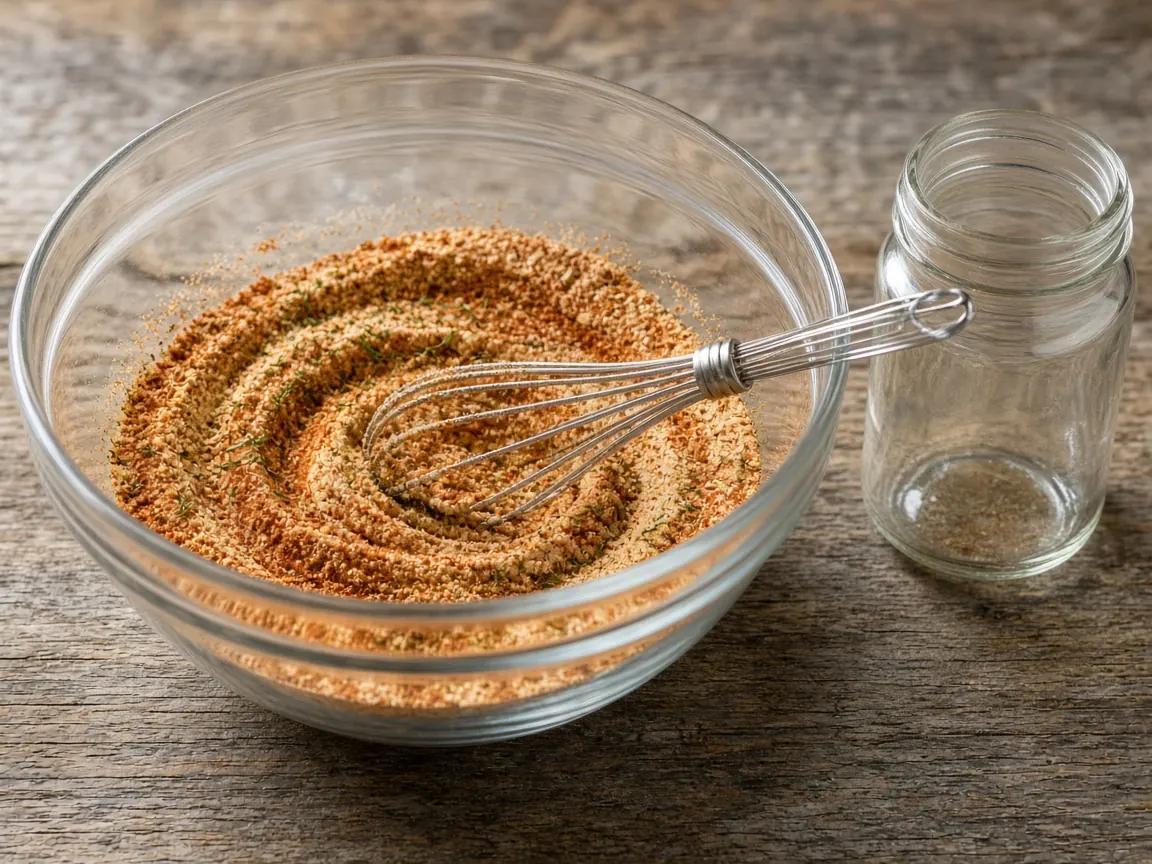
Funnel into a clean, dry glass jar, seal and label with the date.
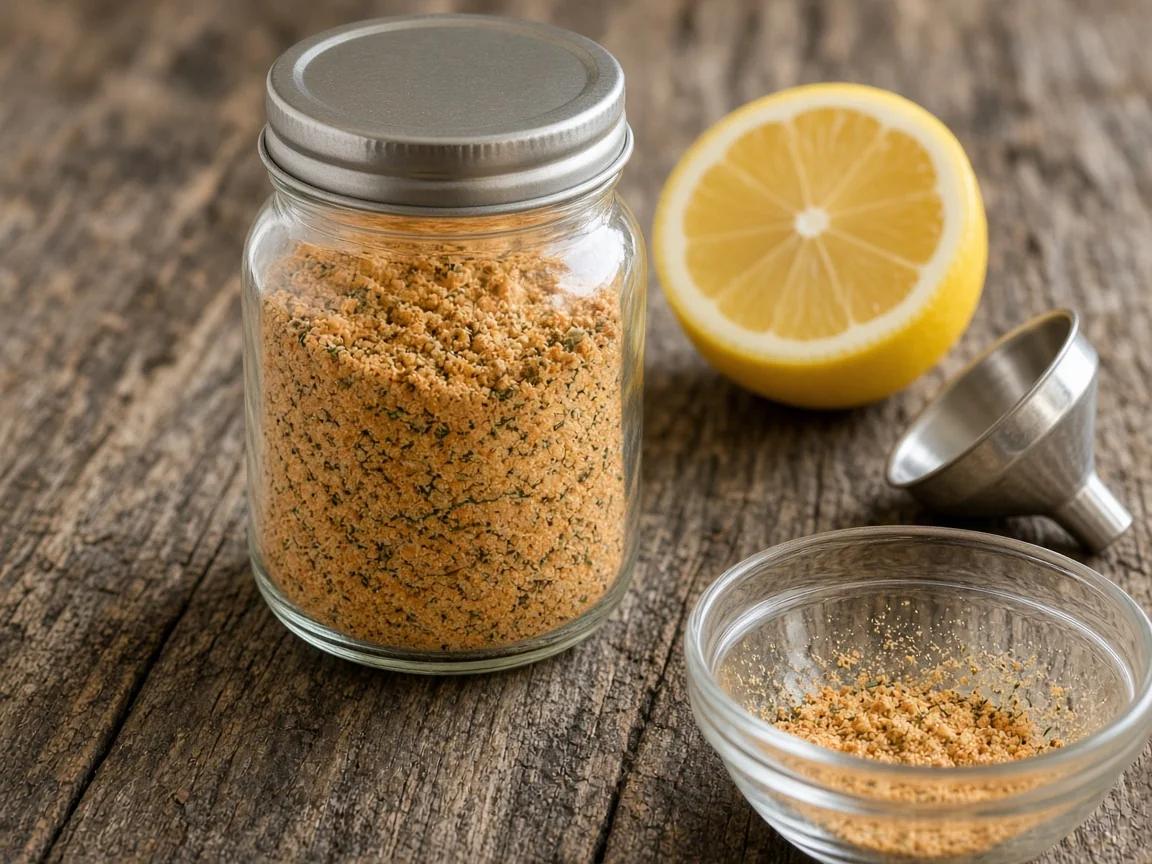
Keep in an airtight glass jar away from the stove, light and moisture. Ground spices lose aroma after about 6 months; if it no longer smells strongly when rubbed between your fingers, make a fresh batch. Do not shake the jar over a steaming pan; moisture causes clumping.
Heat 1/5. Savoury and bright: celery and lemon first, gentle paprika warmth, very mild heat.
Ours is mild (1/5): a whisper of cayenne for warmth. It is designed to flatter delicate white fish, not to overpower it.
Replace the celery salt with 1 tsp ground celery seed and skip the extra salt. It keeps the savoury celery flavour that makes seafood seasoning taste "right".
For fried fish, stir 1 tbsp into 125 g (1 cup) of flour or cornmeal. For baking, sprinkle ¾ tsp per fillet with a little oil. For grilling, oil the fish, then season so the herbs do not burn.
Crab legs: stir 1 tsp into 60 g melted butter for dipping. Shrimp: 2 tsp per 450 g. Seafood pasta: 1 tsp in the garlic and oil base.
Our homemade recipe uses only single spices, so it is naturally gluten free; check the labels of your individual spices if you are coeliac.
Recipes
Step-by-step methods from our recipe pages — same hero photos you will see on each dish.
International · Medium
Maryland-style peel-and-eat shrimp, steamed over beer and vinegar under a thick coat of Chesapeake seafood seasoning. Messy, spicy and perfect with cold drinks.
Species guide
Seafood seasoning is a spice blend made to bring out the sweetness of shellfish and fish, and in the US the best-known style is Old Bay, the celery-salt, paprika and pepper blend from the Chesapeake Bay. It is the taste of steamed blue crabs, peel-and-eat shrimp and crab cakes, and a pinch of it improves everything from fries to corn on the cob.
What is Old Bay seasoning? It is a seafood spice blend created in Baltimore in 1939 by Gustav Brunn, a spice merchant who had emigrated from Germany. Brunn named it after the Old Bay Line, a passenger steamship line that ran on the Chesapeake Bay. McCormick & Company, also based in Maryland, bought the brand in 1990 (McCormick; Maryland Center for History and Culture).
The Chesapeake Bay is famous for its blue crabs, and in Maryland they are steamed rather than boiled, under a thick coat of salty, peppery spice. Old Bay and similar "crab spice" blends became the signature of that tradition, and spread across the US to shrimp, fries, popcorn and even Bloody Marys.
What's in Old Bay seasoning? The label lists celery salt (salt, celery seed), spices (including red pepper and black pepper) and paprika (McCormick). The exact spice mix is a trade secret, but its taste and published descriptions point to warm spices such as mustard, bay leaf, cloves, allspice, ginger, mace, cardamom and cinnamon in small amounts.
So the flavour has three layers:
Is Old Bay Cajun seasoning? No. They're both used on seafood and in boils, but:
| Old Bay / Chesapeake style | Cajun style | |
|---|---|---|
| Home | Maryland and the Chesapeake Bay | South Louisiana |
| Base | Celery salt | Paprika and cayenne |
| Heat | Mild to medium | Medium to hot |
| Signature notes | Celery, mustard, bay, warm spice | Garlic, onion, thyme, oregano |
| Classic dish | Steamed blue crabs | Crawfish boil, blackened fish |
Read more in our Cajun seasoning guide.
You can make a Chesapeake-style seafood seasoning from pantry spices. This isn't the Old Bay recipe, but it gets you very close in spirit:
Grind everything together until fine and keep it in an airtight jar. Because celery salt is mostly salt, this blend is salty: use it instead of salt, not as well as salt.
How much? A good starting point is 1 teaspoon per serving of fish, 1 to 2 tablespoons per pound (450 g) of shell-on shrimp for steaming, and more for crabs, which are often coated generously and eaten with the shells.
In Maryland, blue crabs are traditionally steamed over a mixture of water and vinegar or beer, with seasoning packed on the shells. Steaming keeps the meat from getting waterlogged and lets the seasoning stick to the outside, so it ends up on your fingers and every bite. In Louisiana and much of the Gulf Coast, crabs and crawfish are boiled in heavily seasoned water so the spice soaks in. Both ways work: steam for a cleaner, sweeter crab flavour, boil for spice that goes all the way through.
Cook crabs and other shellfish until the shells turn bright red-orange and the meat is opaque; lobster and crab should be cooked until the flesh is pearly and opaque (FoodSafety.gov). Only cook crabs that are alive just before cooking, and throw away any that are dead before they go in the pot.
The Chesapeake style is just one tradition. Seafood cooks around the world have their own blends:
You can try them all in our World Seafood Spice Collection, which includes Chesapeake Bay Crab Boil plus 19 other regional blends.
The biggest difference between seafood blends is how much salt they contain. Chesapeake-style blends are built on celery salt, so they are often more than half salt. That's perfect for steamed crabs, where most of the seasoning stays on the shells and only a little reaches the meat. On a fillet, though, the same amount can taste far too salty.
Simple rules help:
| Seafood | Method | How to season |
|---|---|---|
| Blue crabs | Steam | Thick coat between layers in the pot |
| Shell-on shrimp | Steam or boil | 1 to 2 tbsp per lb (450 g) |
| Crab legs | Steam, then butter | In the butter, not on the shell |
| Crab cakes | Pan-fry | 1 to 2 tsp per lb (450 g) of meat |
| Scallops | Sear | A light pinch just before searing |
| Atlantic cod, haddock, pollock | Bake | Dust with seasoning and lemon zest |
| Salmon | Roast or grill | Light dusting plus butter |
| Mussels and clams | Steam | A pinch in the broth |
| Lobster | Boil or steam | In the melted butter for dipping |
The classic way to enjoy seafood seasoning is a Maryland crab feast, usually held outdoors in the summer:
Old Bay is the best-known brand, but Maryland has other crab spice traditions. Many crab houses use J.O. Spice No. 2 crab seasoning, a coarser, saltier, hotter blend that sticks to the shells of steamed crabs. Home cooks often make their own version with celery salt, paprika, pepper and mustard. Whatever you use, the idea is the same: plenty of salt and spice on the outside of the shellfish, so every bite you pick out comes with seasoning on your fingers.
Keep it in a sealed container in a cool, dry cupboard. Celery salt draws in moisture, so close the lid tightly and don't sprinkle it straight over a steaming pot. If it clumps, break it up with a fork; if the smell has faded, replace it.
Our step-by-step recipe, with a photo for every step:
More seafood recipes on our site that use the same techniques:
Every recipe on this page works with our ready-made regional spice blends. For seafood seasoning, try Chesapeake Bay Crab Boil, part of our 20-blend World Seafood Spice Collection. Each blend is a complete seasoning: warm a spoonful in oil or butter, add your seafood, and cook.
Prefer someone else to cook? Browse our crab restaurants or find the best fish restaurants in Baltimore, Boston, New Orleans.
Part of our Boils & seasonings guides in the fish and seafood guide hub.
What is seafood seasoning? A spice blend made for fish and shellfish. In the US it usually means a Chesapeake-style blend of celery salt, paprika, pepper and warm spices, like Old Bay.
What is in Old Bay seasoning? The label lists celery salt (salt, celery seed), spices including red and black pepper, and paprika. The full spice list is a trade secret.
What is Old Bay seasoning used for? Steamed crabs, shrimp, crab cakes, seafood boils, chowders, fries, corn and popcorn.
Is Old Bay Cajun seasoning? No. Old Bay is a Maryland celery-salt blend. Cajun seasoning is a hotter Louisiana blend of paprika, cayenne, garlic and herbs.
Can I use Cajun seasoning instead of Old Bay? Yes, in boils and on shrimp, but expect more heat and garlic and no celery flavour. Add a pinch of celery salt to get closer.
How much seafood seasoning do I put in a boil? About 1/2 to 1 cup per gallon (about 4 litres) of water, depending on how salty the blend is and how spicy you like it.
Is Old Bay spicy? It's mildly spicy. The heat comes from red and black pepper, but celery and paprika keep it balanced.
Who invented Old Bay? Gustav Brunn, a German immigrant spice merchant in Baltimore, in 1939. McCormick bought the brand in 1990.
A spice blend made for fish and shellfish. In the US it usually means a Chesapeake-style blend of celery salt, paprika, pepper and warm spices, like Old Bay.
The label lists celery salt (salt, celery seed), spices including red and black pepper, and paprika. The full spice list is a trade secret.
Steamed crabs, shrimp, crab cakes, seafood boils, chowders, fries, corn and popcorn.
No. Old Bay is a Maryland celery-salt blend. Cajun seasoning is a hotter Louisiana blend of paprika, cayenne, garlic and herbs.
Yes, in boils and on shrimp, but expect more heat and garlic and no celery flavour. Add a pinch of celery salt to get closer.
About 1/2 to 1 cup per gallon (about 4 litres) of water, depending on how salty the blend is and how spicy you like it.
It's mildly spicy. The heat comes from red and black pepper, but celery and paprika keep it balanced.
Gustav Brunn, a German immigrant spice merchant in Baltimore, in 1939. McCormick bought the brand in 1990.
Typically celery salt, paprika, garlic, onion, lemon, herbs, pepper and mustard.
A mild, lemony all-purpose blend like this one; for bold flavour try Cajun or blackened.
Old Bay is one brand of seafood seasoning. See our copycat Chesapeake-style recipe.
Yes; it works on chicken, fries, eggs and corn.
About ¾ tsp (2 g) per 150 g fillet.
None in practice; both are mild, lemony, celery-salt blends for fish and shellfish.
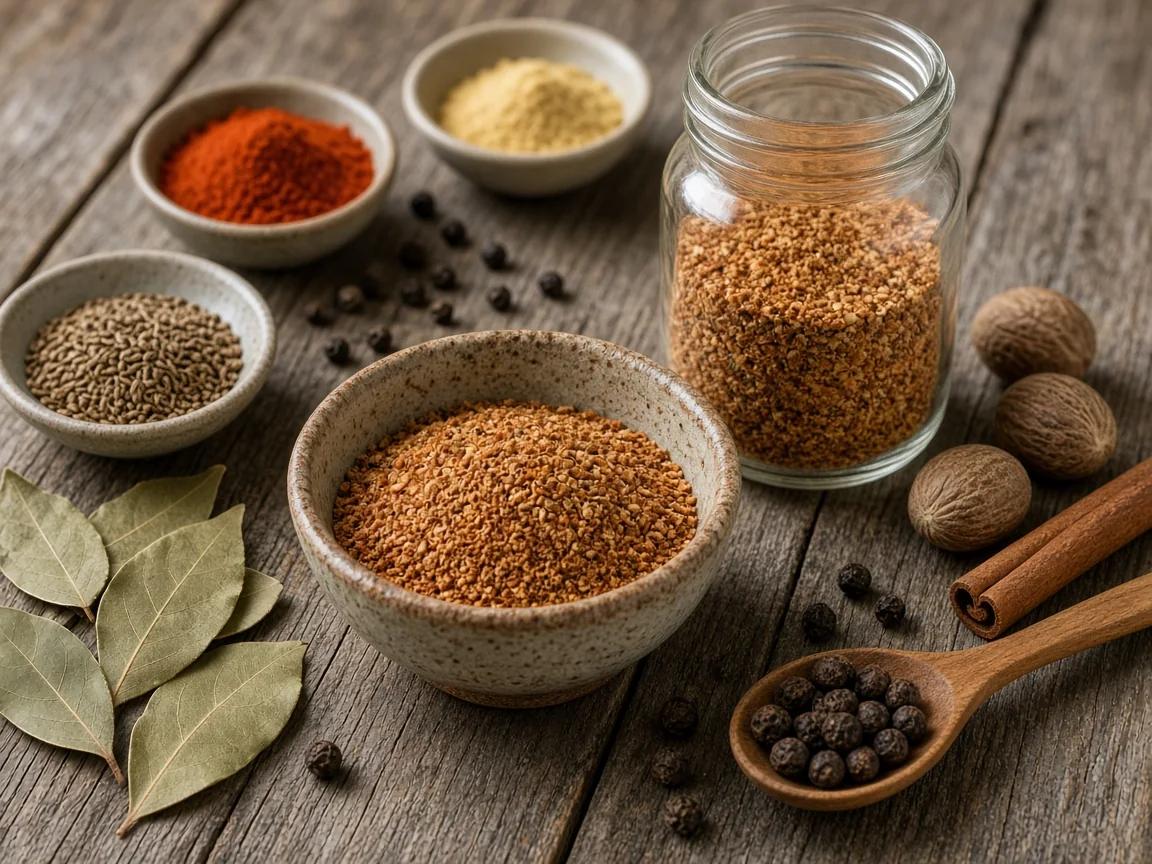
Chesapeake-Style (Old Bay Copycat) Seasoning
Homemade Chesapeake-style seafood seasoning, an Old Bay copycat with exact measurements. Use it on crab, shrimp, fries and corn. Swaps and FAQs.
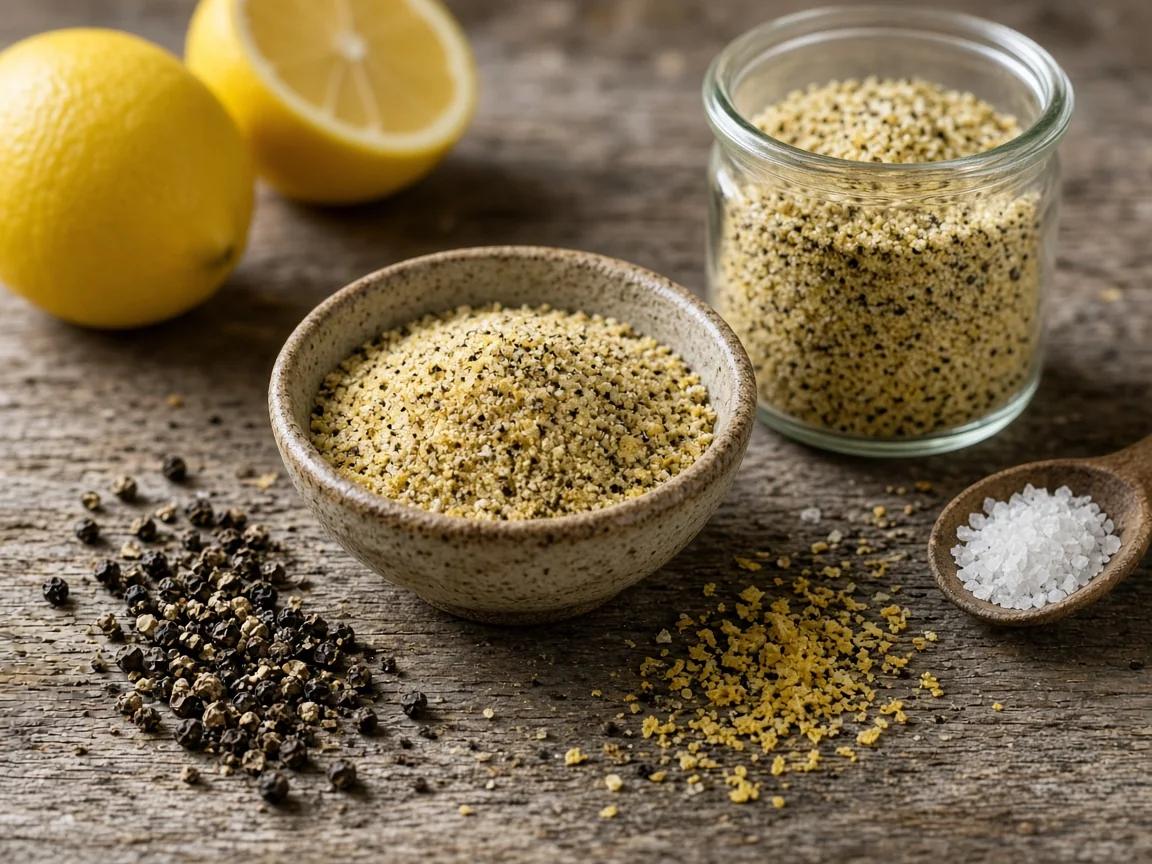
Lemon Pepper Seasoning
Homemade lemon pepper seasoning recipe with exact measurements, plus how to use it on salmon, cod, shrimp and tilapia. Storage, swaps and FAQs.
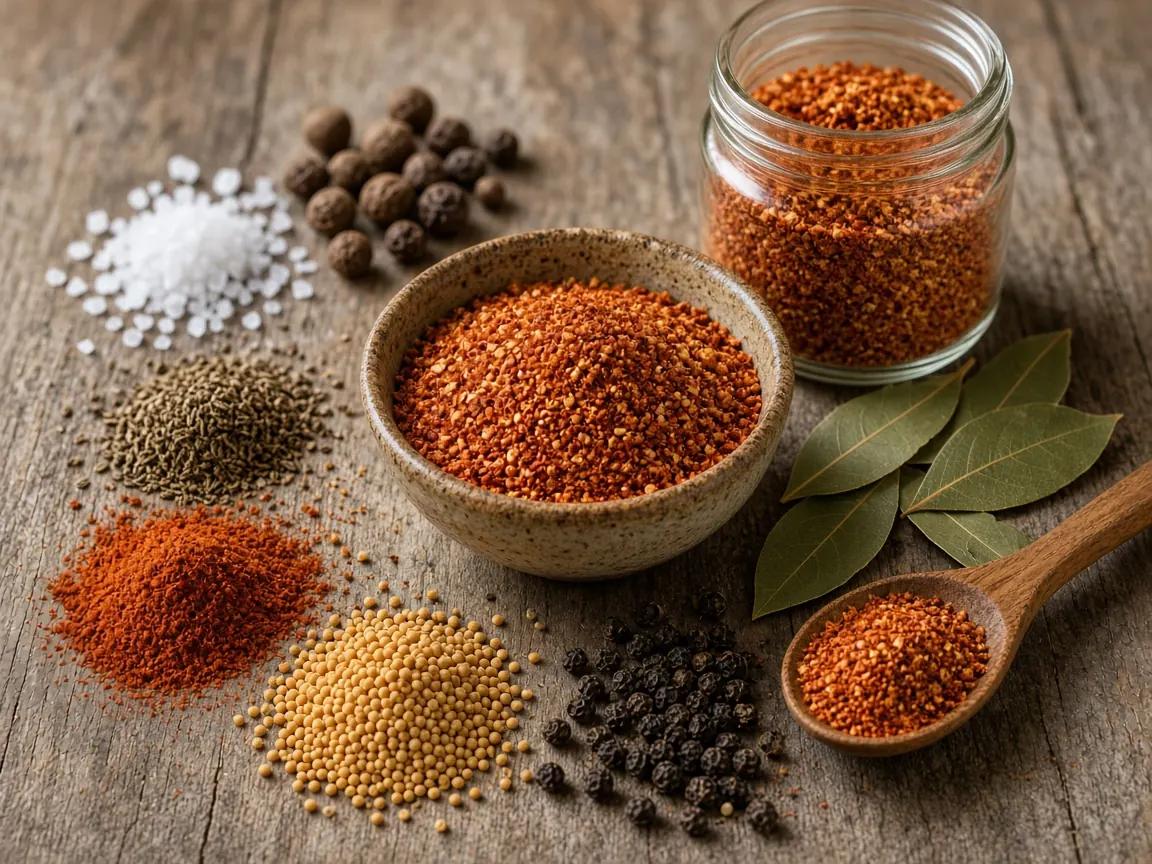
Seafood Boil Seasoning
Make seafood boil seasoning at home with exact measurements. How much per gallon, plus the butter sauce trick for crab, shrimp and crawfish boils.
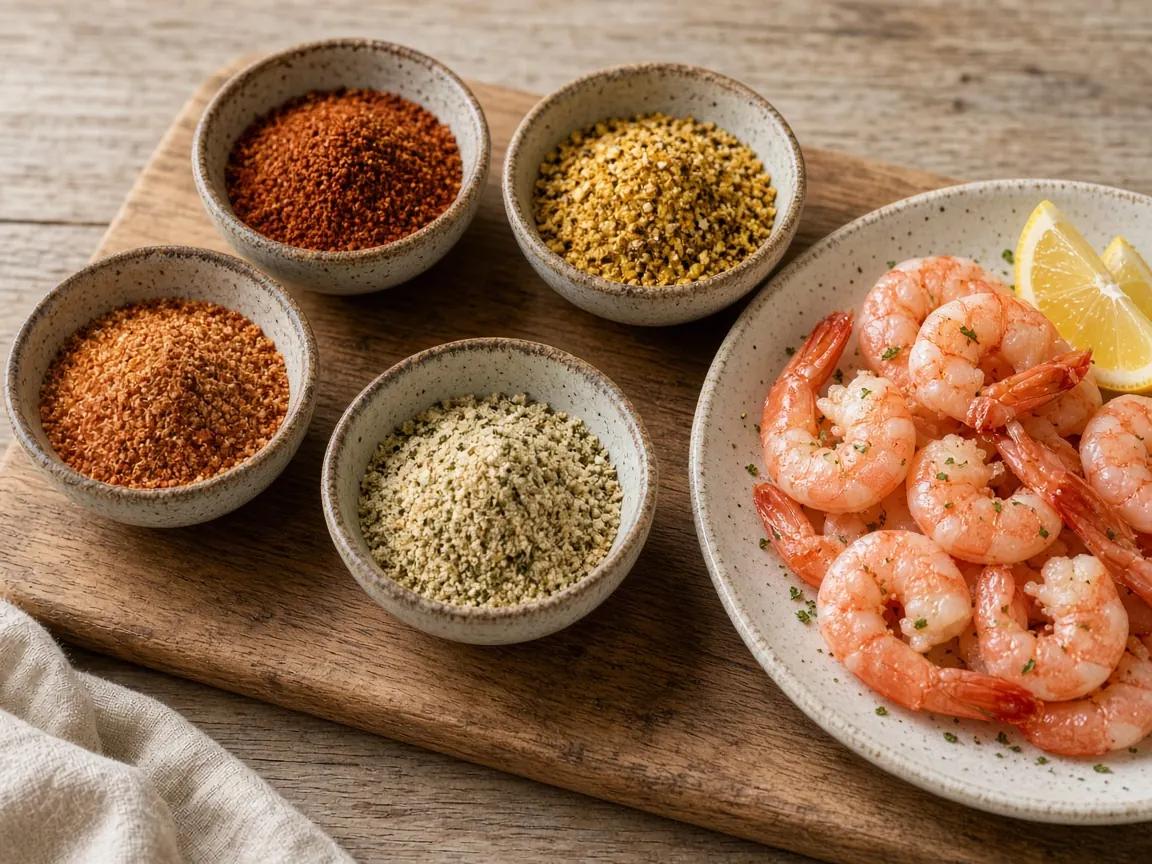
Best Old Bay Seasoning Substitutes
Out of Old Bay? The 6 best substitutes, from a 2-minute celery salt and paprika mix to our copycat Chesapeake recipe, with exact ratios.
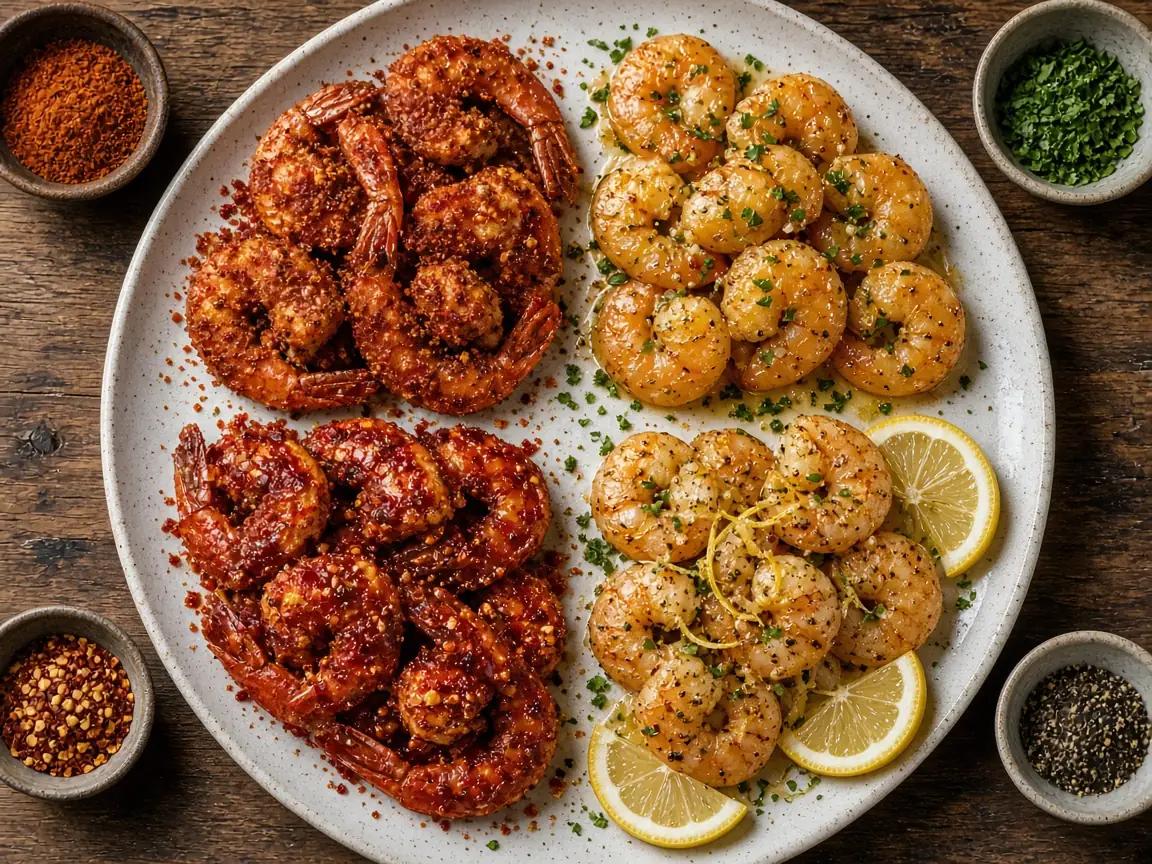
Best Seasoning for Shrimp (6 Blends That Work)
The best seasoning for shrimp: Cajun, garlic butter, piri-piri, lemon pepper and more, with amounts per pound and the best cooking method for each.
All seafood seasonings
Cookies. Essential cookies always run. Analytics and ads need your choice — manage or accept below. Essential cookies run the site. Google Analytics runs by default outside the UK, EEA and Switzerland, and only after you accept it there. Opt out any time in Cookie settings. Ads (Meta, Pinterest) load only with your permission. · Privacy