scallops guide
Scallop cooking tips: prep, doneness and mistakes
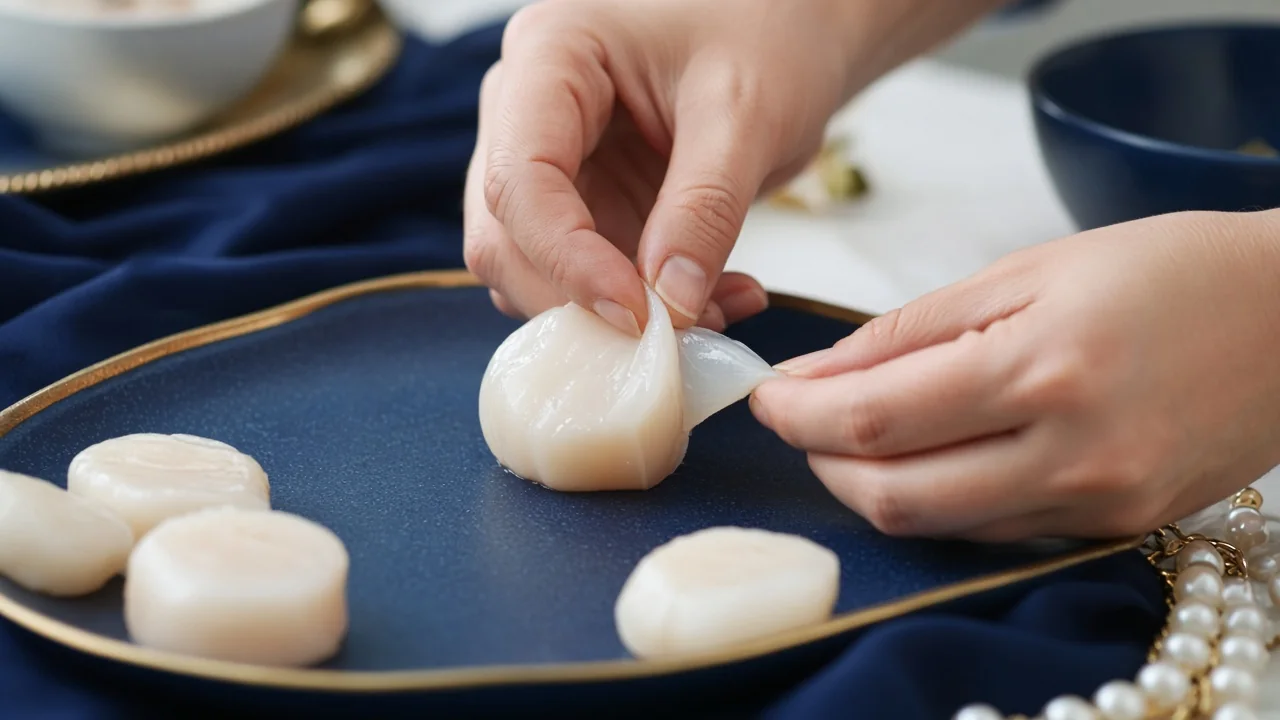
Good scallops are mostly about prep: dry, trimmed and cooked fast.
Thawing frozen scallops
- Thaw overnight in the fridge on a plate lined with paper towels.
- For speed, put them in a sealed bag in cold water for 30 minutes. Never use warm water.
- Pat very dry before cooking.
How to Tell Scallops Are Done
FoodSafety.gov says to cook scallops until the flesh is pearly or white and opaque. Many restaurants serve them with a slightly translucent centre; if you are cooking for anyone at higher risk, cook them through.
Cook Times and Temperatures by Method
Scallops cook very fast. Times depend on size, so use the visual cues as well as the clock.
- FoodSafety.gov: cook scallops until the flesh is milky white or opaque and firm.
- Reheat leftovers to 165°F (74°C), gently, or they turn rubbery.
| Method | How | Done when |
|---|---|---|
| Pan-sear (sea scallops) | Very hot pan, a little oil, do not move them until a crust forms, then turn once | Golden crust; sides opaque; centre just set |
| Grill or broil | Skewered, brushed with oil or butter, high heat | Opaque and firm with light char |
| Bake or gratin | In a hot oven under a topping | Opaque and bubbling; do not let them shrink |
| Poach or add to pasta and chowder (bay scallops) | Add at the end, off the boil | Opaque all through, within moments |
Prep: Cleaning Scallops
- Pull off the small side muscle, a tough rectangular tab on the side of each scallop.
- Pat scallops very dry with paper towels; wet scallops steam instead of browning.
- Season just before cooking, not long ahead, so salt does not draw out moisture.
- Thaw frozen scallops overnight in the fridge on a paper-towel-lined plate.
Common Scallop Mistakes
- Overcooking, which makes them rubbery and shrunken.
- A pan that is not hot enough, so they steam and turn grey.
- Crowding the pan; cook in batches with space between.
- Buying "wet" scallops for searing; they release water and will not brown.
- Moving them too soon; let the crust form and they release on their own.
Flavor Pairings and Seasonings
Brown butter, lemon and capers are classic. Scallops also pair well with bacon or pancetta, pea or cauliflower purée, garlic and herbs, and citrus and chilli for crudo. Keep seasoning light so the sweetness comes through; a pinch of a seafood blend is enough.
Searing Scallops Step by Step
- Take the scallops out of the fridge, remove the side muscle and pat them very dry.
- Heat a heavy pan (cast iron or stainless steel) until it is very hot, then add a thin layer of high-smoke-point oil.
- Season the scallops with salt just before they go in.
- Lay them in a single layer with space between, flat side down, and do not move them.
- When a deep golden crust has formed and they release easily, turn them once.
- Add a knob of butter, baste for a moment, and take them out while the centre is still just set.
Tips for Bay Scallops
Bay scallops are too small to sear like sea scallops and overcook in moments. Toss them in a very hot pan with butter for a short time, or add them to a sauce, soup or pasta at the end, off the boil, so they finish in the heat of the dish. Pat them dry first so they do not water down the sauce.
Leftovers and Reheating
Cooked scallops keep 3 to 4 days in the fridge. Reheat them gently, in a covered pan over low heat or added to a warm sauce, to 165°F (74°C); high heat makes them tough. Leftover scallops are also good cold, sliced into salads.
Sources: FoodSafety.gov – Cold Food Storage Chart · FoodSafety.gov – Safe Minimum Internal Temperatures
Why Dry Scallops Matter
The single biggest factor in a good sear is moisture. "Wet" scallops have been soaked in a phosphate solution, so they release liquid into the pan and steam instead of browning. If wet scallops are all you can find, soak them briefly in cold water, then press them between paper towels and let them sit uncovered in the fridge for a while before cooking. Dry-packed scallops need only a quick pat with paper towels.
Grilling and Broiling Tips
- Thread sea scallops on two parallel skewers so they do not spin when you turn them.
- Oil the scallops, not the grill, and make sure the grate is very hot and clean.
- Grill over direct high heat and turn once; they are done when opaque at the sides and just set in the centre.
- Under the broiler, set them close to the heat on a hot tray and watch them closely.
Quick Pan Sauces for Scallops
After searing, use the hot pan for a sauce in a minute or two. Brown butter with lemon and capers is the classic. Garlic, white wine and parsley make a simple scampi-style finish. For something brighter, add a splash of orange or lime juice and a pinch of chilli flakes. Spoon the sauce over the scallops just before serving so the crust stays crisp.
Baking Scallops
Baking is the most forgiving method for beginners. Arrange scallops in a single layer in a buttered dish, top with garlic butter and breadcrumbs, and bake in a hot oven just until the scallops turn opaque and the crumbs brown. Bay scallops cook very quickly, so check them early.
FAQs
What temperature should scallops be cooked to?
FoodSafety.gov says to cook scallops until the flesh is milky white or opaque and firm. Reheat leftovers to 165°F (74°C).
Should you rinse scallops?
Only briefly if they are gritty, then pat them very dry before cooking.
Why are my scallops rubbery?
They were overcooked. Scallops need only a short time on high heat.
Why won't my scallops brown?
They were wet, the pan was not hot enough, or the pan was crowded.