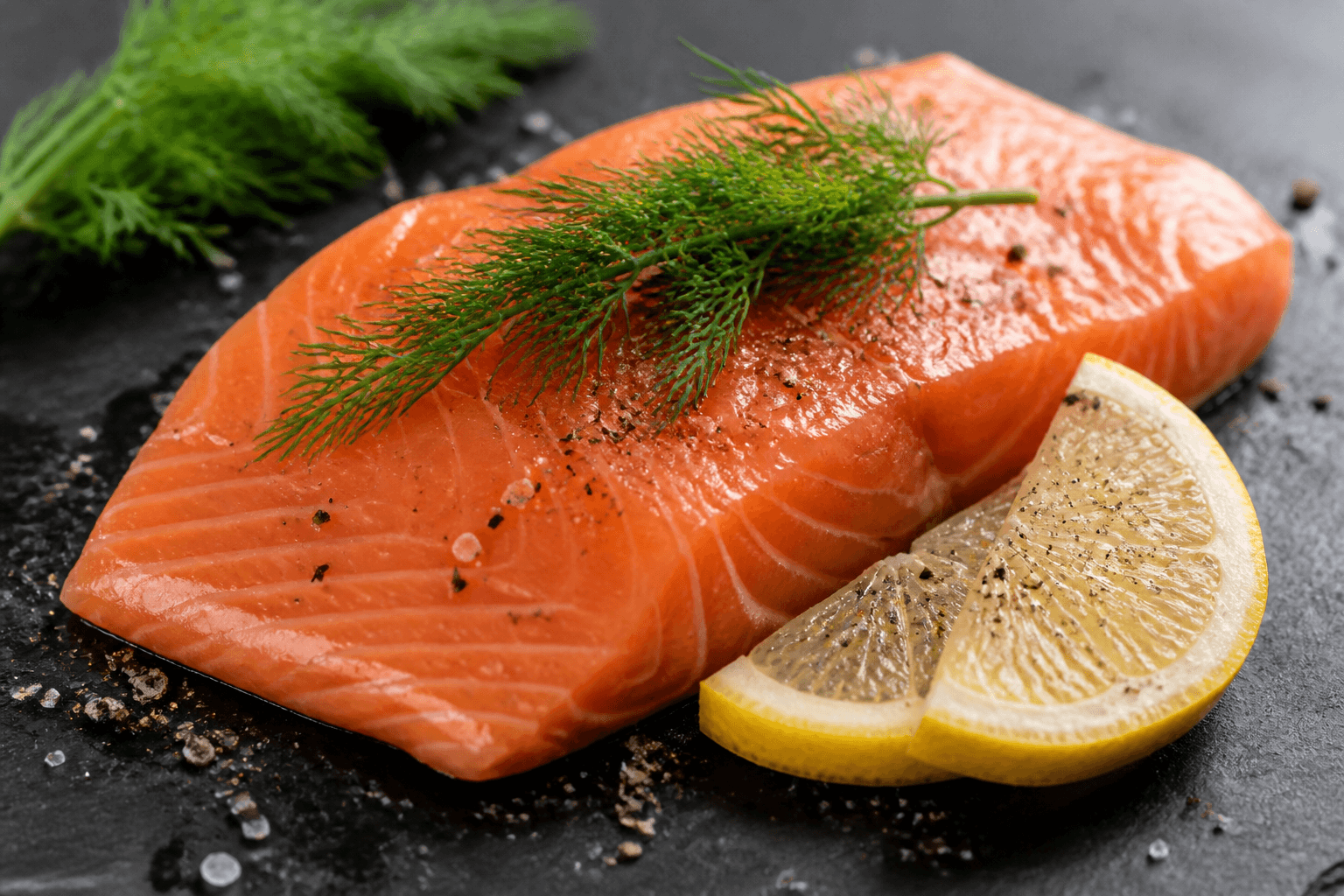
Salmon is the gateway luxury fish for many diners — approachable, widely available, and excellent from casual lunch to tasting menus. The biggest quality leap comes from knowing whether you are eating wild Pacific fish or farmed Atlantic salmon.
Use this page to order smarter in restaurants and to connect salmon meals with city guides and recipes on FishRestaurants.com.
Also called
Salmon · Atlantic salmon · King / Chinook · Sockeye
Best cooking methods
Pan sear · Oven roast · Grill · Cure / gravlax · Smoke
Wild vs farmed: what changes on the plate
Wild sockeye is typically deeper red, leaner, and more intensely flavoured. King (chinook) can be extraordinarily rich. Farmed Atlantic salmon is milder, fattier, and consistent — ideal for roasting and everyday menus.
Neither is automatically “better.” Match the fish to the dish: wild for showcasing purity; farmed for forgiving weeknight cookery and sushi-adjacent preparations when the restaurant sources carefully.
Best cooking methods
Pan-sear skin-on fillets until crisp, roast gently to medium, or cure for gravlax. Avoid well-done salmon unless you prefer it — the fat makes medium the sweet spot for most diners.
In Seattle and the Pacific Northwest, celebrate local runs and market counters. In London and Europe, expect excellent farmed Scottish and Norwegian fish in modern seafood rooms.