Spanish · Easy
Spanish Gambas al Ajillo (Garlic Shrimp Tapas)
A Madrid and Barcelona tapa classic — shrimp in screaming-hot garlic oil, finished in minutes.
octopus guide
common octopus (*Octopus vulgaris*)
Octopus is an eight-armed cephalopod with sweet, mild, meaty flesh, and when cooked correctly it's tender with a lightly chewy bite and a smoky char.
mild, sweet and meaty · Common year-round on Mediterranean menus; quality depends more on handling than a single month. · common octopus (*Octopus vulgaris*)
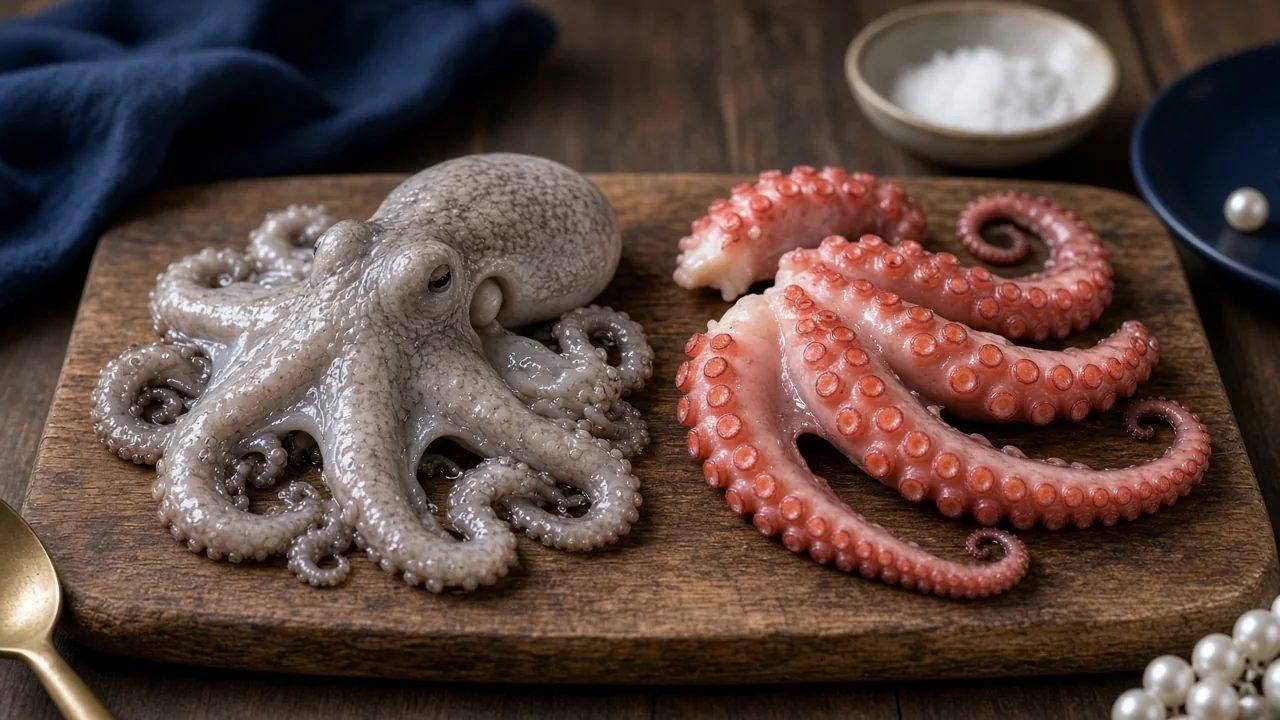 Info
Taste, texture, nutrition.
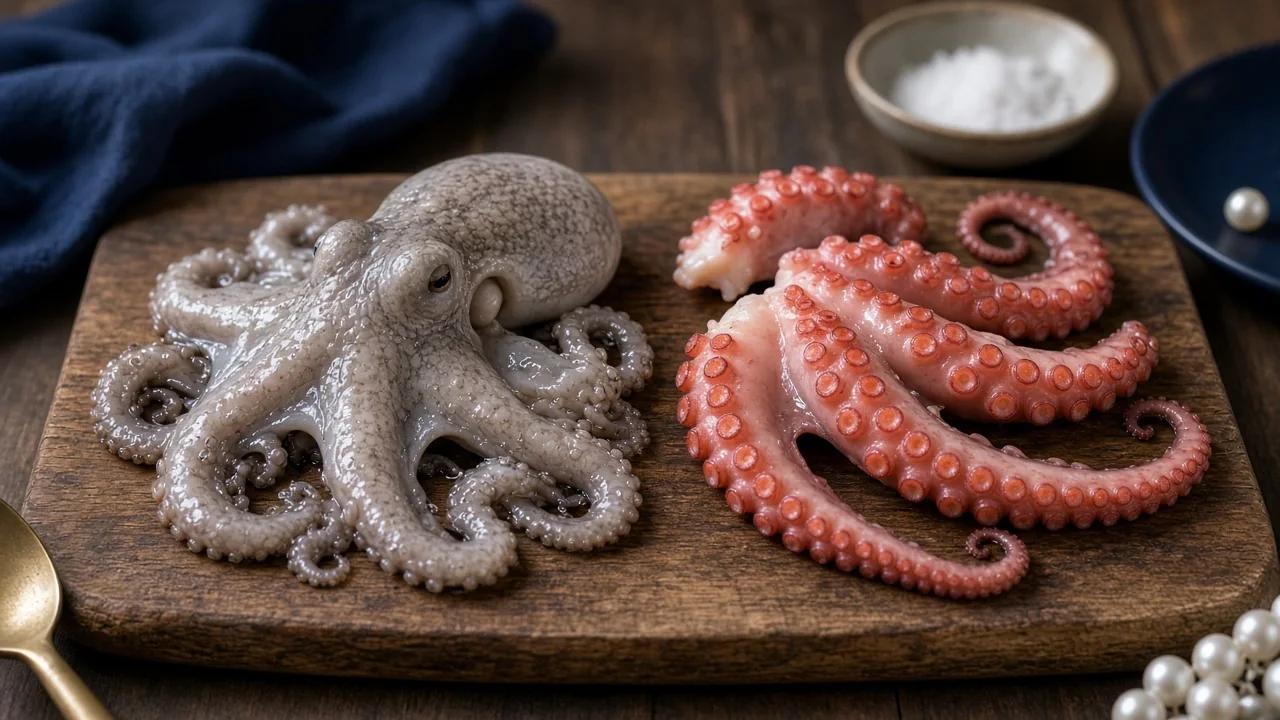
Open → Cook
Grilled, Galician and more.
Open → Eat
Octopus on real menus in 29 of our cities.
Open →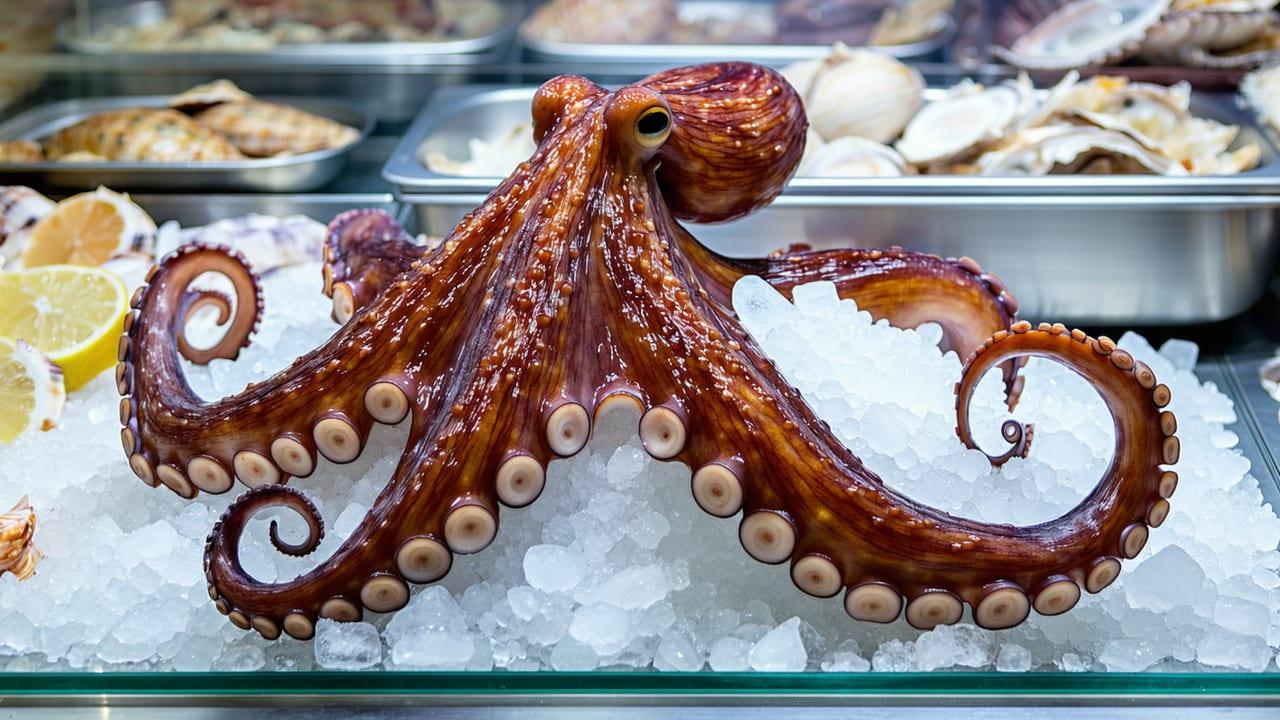 Buy
Fresh vs frozen, cooked, markets.
Open →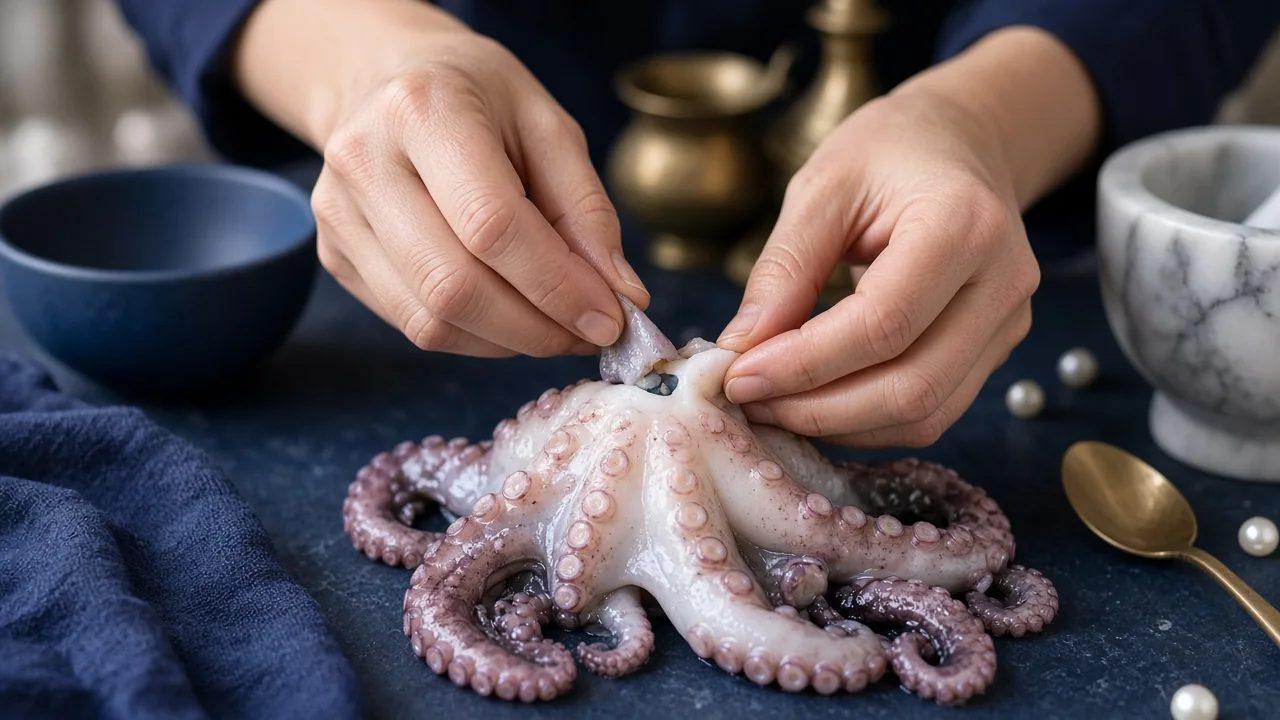 Tips
Clean, tenderise, avoid rubber.
Open →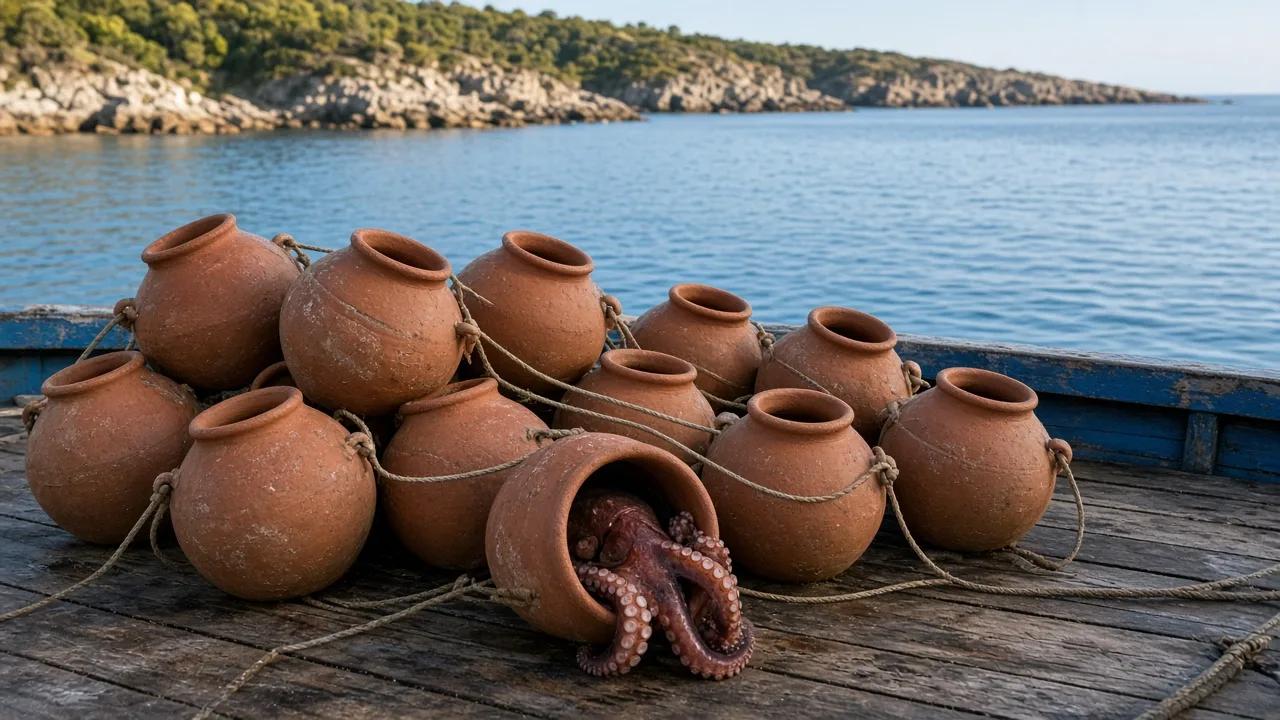 Catch
Pots, traps, sustainability.
Open →Ask the Fish Guide about octopus — grounded in this species hub.
Main species
common octopus (*Octopus vulgaris*)
Taste
mild, sweet and meaty
Texture
tender with a slight chew when cooked properly
Sustainability
UK and Bay of Biscay octopus "Need Improvement" (MCS)
Sabor
mild, sweet and meaty
Temporada
Common year-round on Mediterranean menus; quality depends more on handling than a single month.
Hábitat
common octopus (*Octopus vulgaris*)
Recipes
Step-by-step methods from our recipe pages — same hero photos you will see on each dish.
Spanish · Easy
A Madrid and Barcelona tapa classic — shrimp in screaming-hot garlic oil, finished in minutes.
Greek · Medium
Mediterranean classic — octopus simmered until tender, then blistered over charcoal with lemon and oregano.
Spanish / Galician · Medium
Tender octopus, smoked paprika, olive oil, and potatoes — Galicia’s most copied seafood plate.
For cooking at home, see our greek seasoning.
Octopus is an eight-armed cephalopod with sweet, mild, meaty flesh, and when cooked correctly it's tender with a lightly chewy bite and a smoky char.
Buying links may earn a commission. Restaurant listings are editorial — not paid placements in this block.
Tips
Best methods: Simmer then grill, Pulpo a la gallega, Charcoal skewer, Stew.
Catch & season
Species guide
Octopus is an eight-armed cephalopod with sweet, mild, meaty flesh, and when cooked correctly it's tender with a lightly chewy bite and a smoky char. It's a Mediterranean classic: grilled with olive oil and oregano in Greece, and served with paprika as pulpo a la gallega in Spain. The secret is slow cooking first, then a fast, hot finish. This guide is part of our Fish & Seafood Guide.
What is octopus? Octopus is a cephalopod mollusc, related to squid and cuttlefish. It has eight arms lined with suckers, no shell and a soft body. The common octopus (*Octopus vulgaris*) is the species most eaten in Mediterranean and Atlantic cooking.
Almost all of the octopus is edible. The arms (tentacles) are the prized part, and the head is also cooked and eaten in many cuisines.
Octopus has a mild, sweet, slightly briny flavour and a meaty texture. It tastes more like lobster or scallop than fish. Well-cooked octopus is tender, with a gentle chew. Undercooked or badly cooked octopus is rubbery. Grilling adds smoky, crispy edges.
| Octopus | Squid | |
|---|---|---|
| Arms | 8 arms | 8 arms + 2 tentacles |
| Texture | Meaty, needs slow cooking | Tender if cooked very fast or very slow |
| Classic dishes | Grilled, pulpo a la gallega | Fried calamari |
Seafood Watch (February 2024) rates pot- and trap-caught octopus from Portugal and Spain a Good Alternative, but bottom-trawled octopus and octopus from Morocco and Mauritania as Avoid. The Marine Conservation Society says common octopus caught in British waters and the Bay of Biscay Need Improvement: information on UK populations is improving, but knowledge gaps remain, there's little control on fishing, and there are concerns about overfishing in the Bay of Biscay. MCS also rates Iberian octopus by method, and pot-caught octopus is generally preferable to trawled. Octopus is mainly sold at fishmongers, restaurants and online, and is less common in supermarkets (MCS).
Frozen octopus is widely sold and works very well. Many cooks prefer frozen octopus. A 2014 study of common octopus arms found previously frozen octopus was softer after cooking than fresh, though other research found little change, so cooking time matters most (PubMed 26137796). Thaw it slowly in the fridge overnight.
Many shops sell octopus already boiled and vacuum-packed. It's fully cooked, so all it needs is a finish: 1. Pat the tentacles dry. 2. Brush with olive oil and grill or sear in a very hot pan for 2 to 3 minutes per side, until charred at the edges. 3. Slice and dress with lemon, olive oil, oregano and flaky salt, or with paprika for the Galician style. 4. Or slice it cold into salads with celery, potatoes, parsley and lemon.
Keep cooked octopus refrigerated, and don't leave it out of the fridge for more than 2 hours (FDA).
If you only have tentacles (raw), simmer them gently for about 30 to 50 minutes, depending on thickness, until a knife slides in easily. Then cool them and grill them over high heat. Thick tentacles from a large octopus take longest; small ones may be tender in under 30 minutes, so start testing early.
Use a two-step method:
Cook seafood to a safe temperature; the FDA recommends 145°F (63°C).
Find grilled octopus in the Athens seafood guide, the Barcelona seafood guide and the Lisbon seafood guide, or browse Mediterranean seafood and grilled fish restaurants.
USDA FoodData Central (common octopus, raw; values per 100 g):
| Nutrient | Amount |
|---|---|
| Calories | 82 kcal |
| Protein | 14.9 g |
| Fat | 1.04 g |
| Vitamin B12 | 20 µg |
| Iron | 5.3 mg |
| Selenium | 44.8 µg |
| Cholesterol | 48 mg |
Octopus is very lean and high in vitamin B12 and iron. It isn't on the FDA's mercury list.
How do you cook octopus? Simmer it gently for 45 to 90 minutes until a knife slides into the thickest part of an arm, then grill or sear it hot for colour.
How do you prepare an octopus for cooking? Remove the beak and eyes, turn the head inside out to remove the innards, and rinse. Frozen cleaned octopus saves time.
How do you prepare cooked octopus? Pat it dry, oil it and char it on a very hot grill or pan for 2 to 3 minutes per side, then dress with lemon and olive oil.
How long do you boil octopus tentacles? About 30 to 50 minutes at a gentle simmer for raw tentacles, until tender.
What does octopus taste like? Mild, sweet and meaty, a bit like lobster or scallops.
Is frozen octopus good? Yes. One study found previously frozen octopus was softer after cooking (PubMed 26137796).
Is octopus healthy? Yes. It's lean, high in protein and very high in B12 and iron (USDA).
Is octopus sustainable? Choose pot- or trap-caught octopus from Portugal or Spain (Seafood Watch Good Alternative), and avoid trawled octopus.
Simmer it gently for 45 to 90 minutes until a knife slides into the thickest part of an arm, then grill or sear it hot for colour.
Remove the beak and eyes, turn the head inside out to remove the innards, and rinse. Frozen cleaned octopus saves time.
Pat it dry, oil it and char it on a very hot grill or pan for 2 to 3 minutes per side, then dress with lemon and olive oil.
About 30 to 50 minutes at a gentle simmer for raw tentacles, until tender.
Mild, sweet and meaty, a bit like lobster or scallops.
Yes. One study found previously frozen octopus was softer after cooking (PubMed 26137796).
Yes. It's lean, high in protein and very high in B12 and iron (USDA).
Choose pot- or trap-caught octopus from Portugal or Spain (Seafood Watch Good Alternative), and avoid trawled octopus.
Cookies. Essential cookies always run. Analytics and ads need your choice — manage or accept below. Essential cookies run the site. Google Analytics runs by default outside the UK, EEA and Switzerland, and only after you accept it there. Opt out any time in Cookie settings. Ads (Meta, Pinterest) load only with your permission. · Privacy