International · Medium
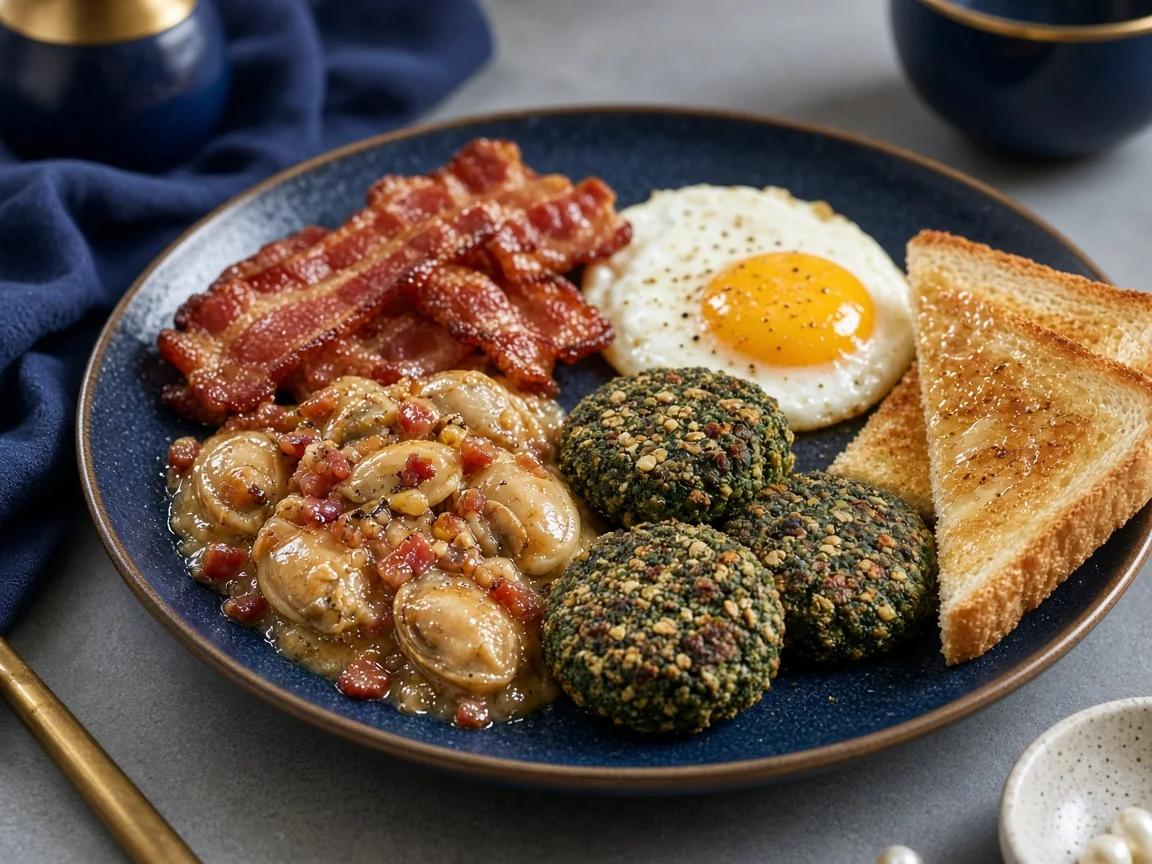
Welsh Breakfast Cockles with Bacon and Laverbread
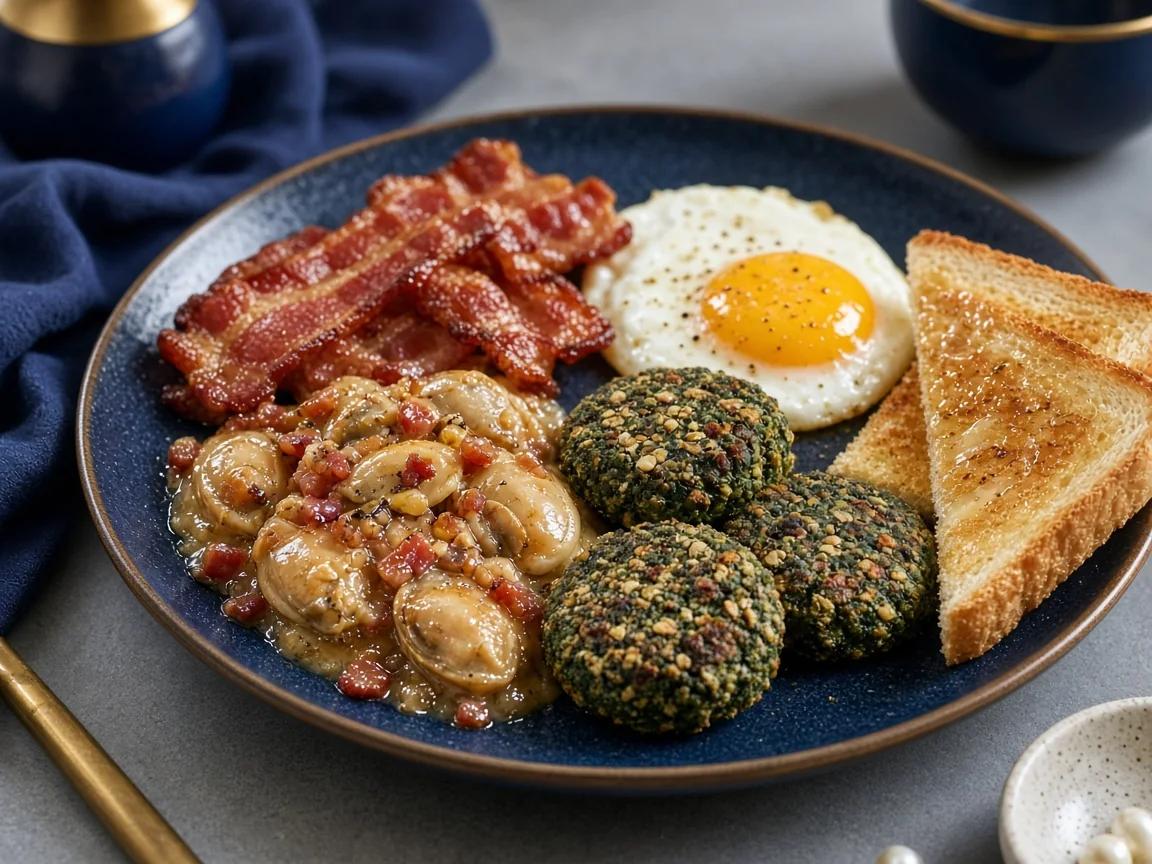
The traditional Gower breakfast: sweet cockles warmed in crisp bacon fat, with laverbread oatmeal cakes and fried eggs. A taste of the Welsh coast.
cockles guide
common cockle, *Cerastoderma edule*
Cockles are small, heart-shaped saltwater clams that live buried in the sand of tidal beaches and estuaries, and they're one of Britain's oldest seaside foods.
sweet, briny and slightly nutty
Ask the Fish Guide about cockles — grounded in this species hub.
Scientific name
common cockle, *Cerastoderma edule*
Type
bivalve mollusc (a kind of clam)
Where they live
sandy and muddy tidal flats and estuaries around the UK, Ireland and the Atlantic coast of Europe
Famous cockle beds
the Burry Inlet and Penclawdd (South Wales), the Thames Estuary at Leigh-on-Sea (Essex), Morecambe Bay, The Wash, and Dundrum Bay
الطعم
sweet, briny and slightly nutty
Recipes
Step-by-step methods from our recipe pages — same hero photos you will see on each dish.
International · Medium
The traditional Gower breakfast: sweet cockles warmed in crisp bacon fat, with laverbread oatmeal cakes and fried eggs. A taste of the Welsh coast.
Cockles are small, heart-shaped saltwater clams that live buried in the sand of tidal beaches and estuaries, and they're one of Britain's oldest seaside foods.
Buying links may earn a commission. Restaurant listings are editorial — not paid placements in this block.
Species guide
Cockles are small, heart-shaped saltwater clams that live buried in the sand of tidal beaches and estuaries, and they're one of Britain's oldest seaside foods. Sweet, briny and tender, they're eaten from paper pots with vinegar and white pepper at the seaside, fried with bacon and laverbread for a Welsh breakfast, or tossed through pasta like little clams.
What are cockles? They're bivalves, shellfish with two hinged shells, like clams, mussels and oysters. The common cockle has a round, ribbed, cream-to-brown shell about 1 to 2 inches (2.5 to 5 cm) across. When you look at it from the side, the two shells together make a heart shape, which is why its family is sometimes called "heart clams".
Cockles live just below the surface of the sand, in the area between high and low tide. They use a short siphon to filter tiny plankton from the water when the tide is in, and they can burrow quickly using their muscular foot.
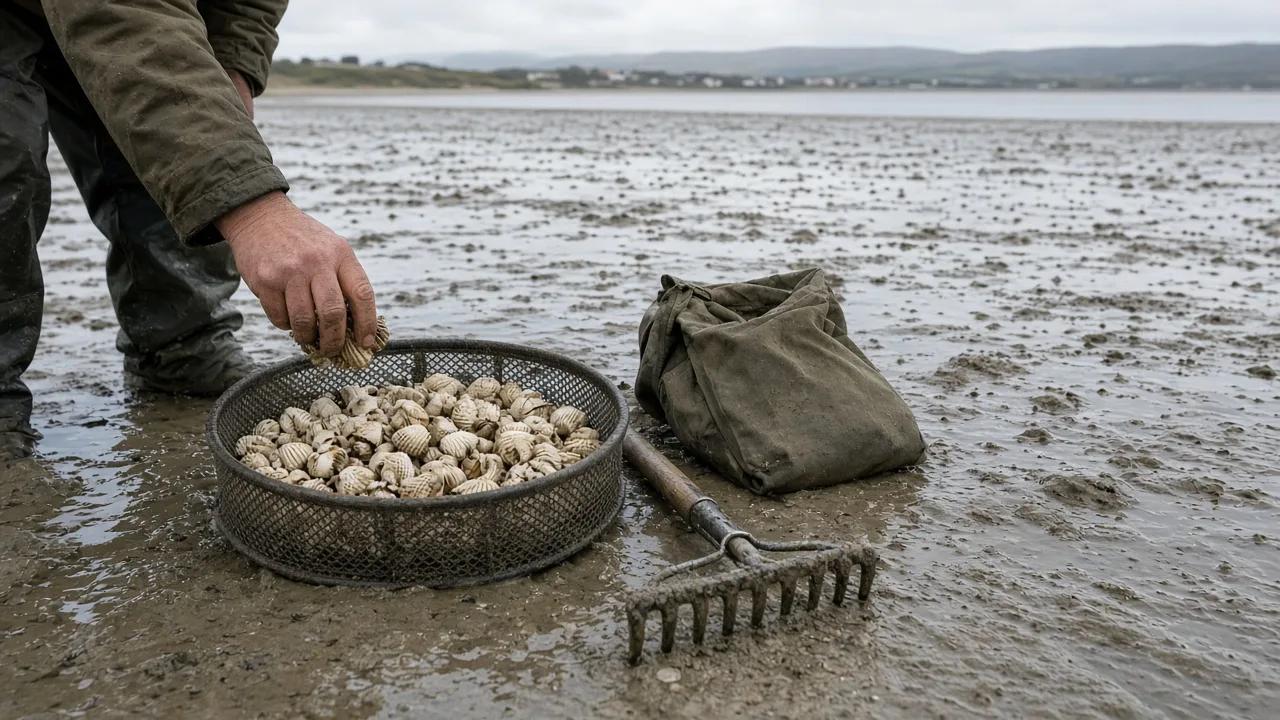
What is cockling? It's the gathering of cockles from the sand at low tide. In Britain it's a centuries-old trade. Traditionally, cocklers rake the sand by hand with a rake and a sieve (a "riddle") to sort out the bigger cockles, while letting the small ones fall back to grow. In some places, boats or tractors are used, under licence.
The women of Penclawdd on the Gower peninsula in South Wales were famous for gathering cockles on the Burry Inlet and carrying them to market in Swansea. The Burry Inlet cockle fishery is still hand-gathered, and in 2001 it was one of the first fisheries in the world to be certified by the Marine Stewardship Council. In Leigh-on-Sea in Essex, a row of cockle sheds along the old waterfront still cook and sell cockles from boats that work the Thames Estuary.
A safety warning: tidal flats can be extremely dangerous. Tides come in very fast across flat sand, and some areas have quicksand. Never go cockling without local knowledge, tide tables and permission, and check whether the area is open: shellfish beds are classified and monitored for water quality, and some are closed to protect stocks or public health (Food Standards Agency).
Cockles taste sweet and briny, a little like a small clam but sweeter and slightly nutty. The texture is tender and a little chewy. Their flavour is strong enough to stand up to vinegar, bacon and garlic, but delicate enough for pasta and seafood stews.
Are cockles good for you? Yes. Like most shellfish, cockles are high in protein and very low in fat. They're a particularly good source of iron and vitamin B12, and contain selenium, zinc and iodine. USDA FoodData Central doesn't list the European cockle, so we don't give exact numbers here, but they're nutritionally similar to clams, which are among the richest food sources of vitamin B12.
The NHS says shellfish such as cockles can be part of a healthy, balanced diet. Pickled cockles are higher in salt and vinegar, so eat them in moderation. Always buy shellfish from a reputable seller, and avoid raw or undercooked shellfish if you're pregnant, elderly or have a weakened immune system (NHS).
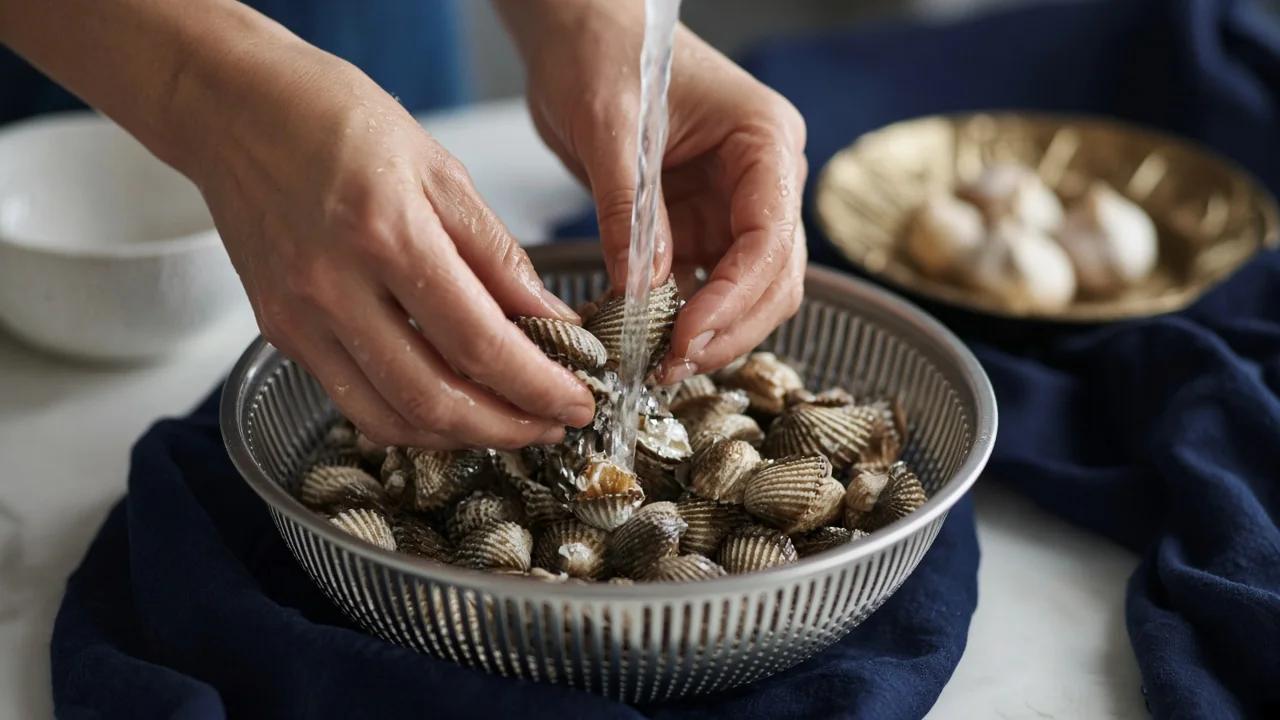
Cockles live in sand, so they need cleaning (purging) before cooking:
How to cook cockles: fresh cockles cook in just 2 to 4 minutes. They're done when the shells open. Throw away any that stay shut. Shellfish should be cooked until the shells open and the flesh is firm and opaque (FoodSafety.gov).
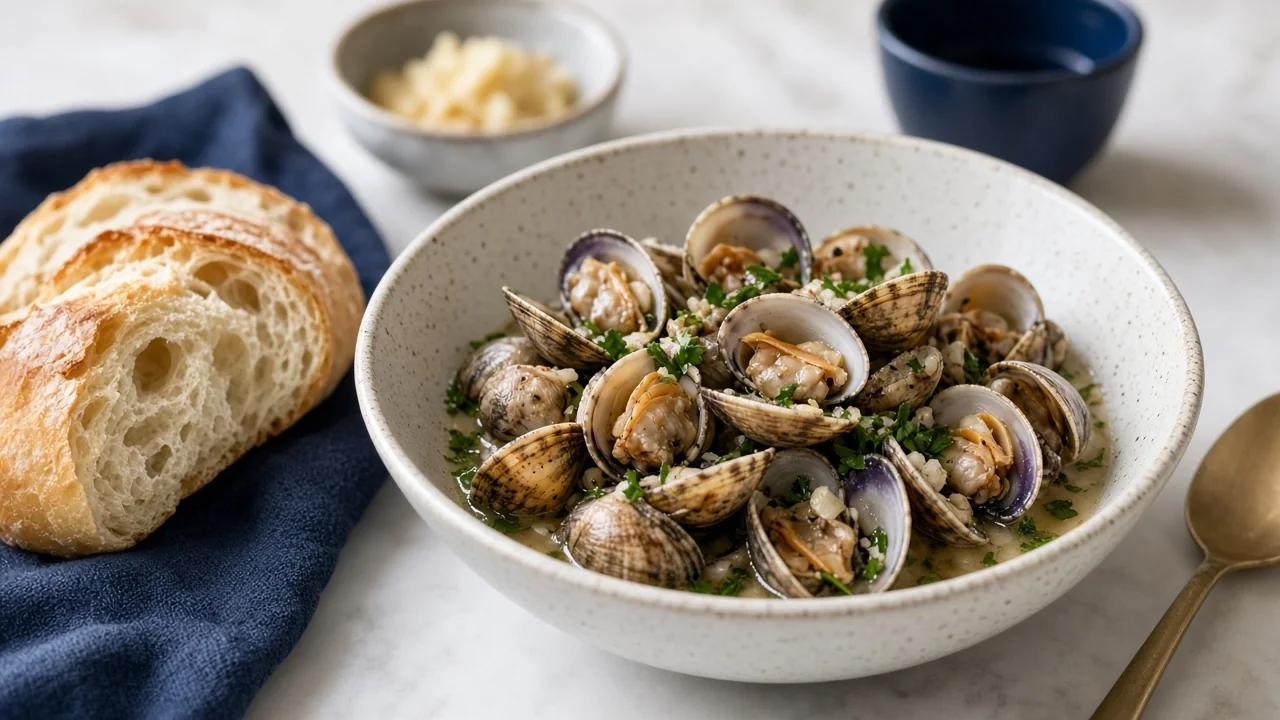
Put the cleaned cockles in a large pan with a splash of white wine or water, garlic and parsley. Cover and steam over high heat for 2 to 4 minutes, shaking the pan, until they open.
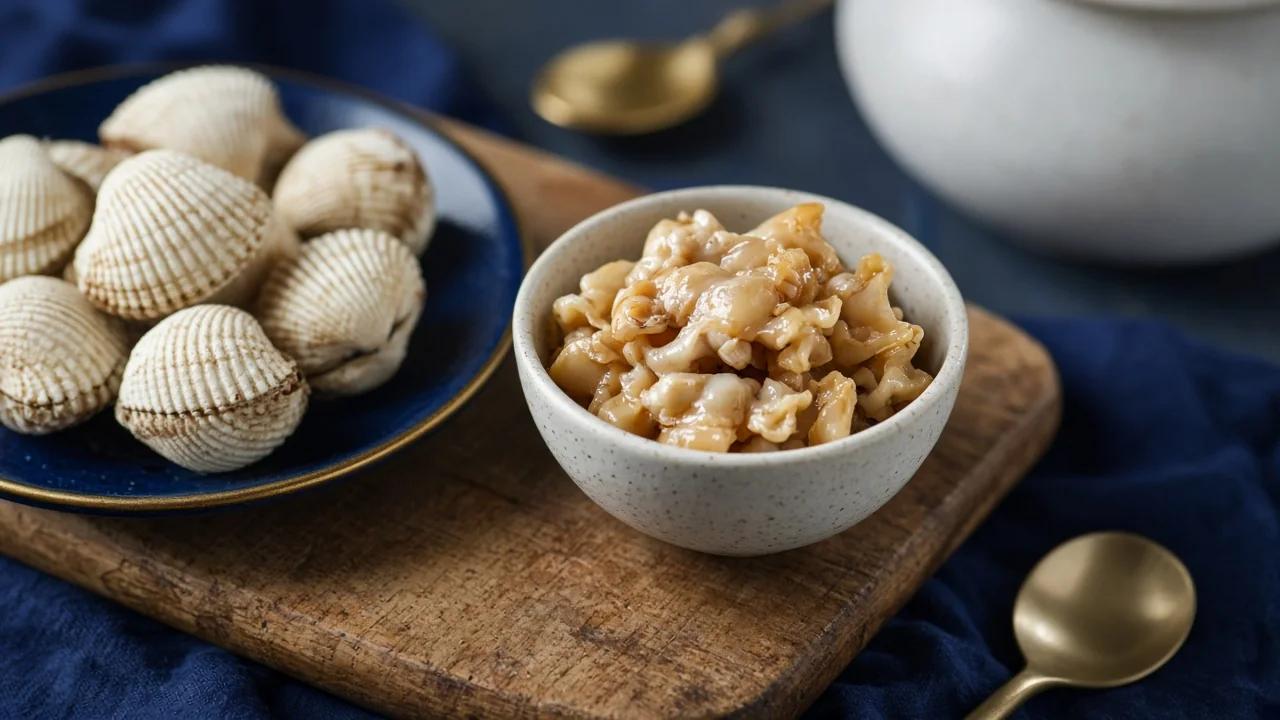
Steam them, shell them, and serve them in a pot with malt vinegar and plenty of white pepper.
Fry bacon until crisp, then add cooked, shelled cockles to warm through in the bacon fat. Serve with laverbread (a seaweed purée from Wales) and eggs. See the recipe below.
Use them just like clams in spaghetti alle vongole. See our spaghetti vongole recipe.
Add live cockles in the last few minutes, so they open in the rice or broth. Try them in a Portuguese seafood cataplana.
| Cockles | Mussels | Clams | |
|---|---|---|---|
| Shell | Round, ribbed, heart-shaped from the side | Long, smooth, blue-black | Smooth or ridged, oval |
| Where they live | Buried in tidal sand | Attached to rocks and ropes | Buried in sand or mud |
| Size | Small | Medium | Small to large |
| Flavour | Sweet, briny, nutty | Sweet, rich, briny | Sweet to strongly briny |
| Cooking time | 2 to 4 minutes | 3 to 5 minutes | 3 to 8 minutes |
| Classic UK dish | Seaside pots with vinegar; Welsh breakfast | Moules marinière | Spaghetti vongole |
All three can be swapped in most recipes. Cockles are the smallest and sweetest, so add them last and cook them for the shortest time.
| Method | Time | Done when |
|---|---|---|
| Steamed in wine or water | 2 to 4 minutes | Shells open |
| Added to pasta sauce | 2 to 3 minutes, covered | Shells open |
| Added to paella or stew | Last 3 to 4 minutes | Shells open |
| Pre-cooked, shelled, warmed in a pan | 1 to 2 minutes | Hot through |
| Cockle chowder | Add in the last 2 to 3 minutes | Hot through, still tender |
Overcooked cockles shrink and turn rubbery, so add them last and take them off the heat as soon as they're ready. Throw away any live cockles that stay shut after cooking.
Whitebait are tiny young fish, mostly of herring and sprat, that are eaten whole, coated in flour and deep-fried until crisp. They're a classic British pub and seaside starter, often served with lemon and tartare sauce. To cook them, toss whitebait in flour seasoned with salt, pepper and a pinch of cayenne or paprika, deep-fry at 180 to 190°C (350 to 375°F) in small batches for 2 to 3 minutes until crisp, and drain on kitchen paper. Because they are young fish, the MCS advises checking the source; sprat-based whitebait from well-managed stocks is the better choice.
Our step-by-step recipe, with a photo for every step:
More seafood recipes on our site that use the same techniques:
Every recipe on this page works with our ready-made regional spice blends. For cockles, try Italian Frutti di Mare Herbs, part of our 10-blend World Seafood Spice Pack. Each blend is a complete seasoning: warm a spoonful in oil or butter, add your seafood, and cook.
Prefer someone else to cook? Browse our shrimp and shellfish restaurants or find the best fish restaurants in Swansea, Cardiff, London, Brighton.
Part of our Bivalves (shellfish) guides in the fish and seafood guide hub.
What are cockles? Small, heart-shaped saltwater clams (*Cerastoderma edule*) that live buried in tidal sand. They're sweet and briny.
What is a cockle? A bivalve shellfish with a round, ribbed shell, related to clams.
What is cockling? Gathering cockles from the sand at low tide, usually by raking and sieving them by hand.
Are cockles good for you? Yes. They're high in protein, low in fat, and rich in iron and vitamin B12.
How do you cook cockles? Clean them in salted water, then steam them with a splash of wine or water for 2 to 4 minutes until they open. Discard any that stay shut.
Can you eat cockles raw? It isn't recommended. Cook them until the shells open to reduce the risk of food poisoning.
Where do the best cockles come from? The Burry Inlet and Penclawdd in Wales, Leigh-on-Sea in Essex, Morecambe Bay and The Wash are all famous for cockles.
What is the difference between cockles and clams? Cockles are a type of clam. They're smaller, with ribbed, heart-shaped shells and a sweeter flavour.
Small, heart-shaped saltwater clams (
A bivalve shellfish with a round, ribbed shell, related to clams.
Gathering cockles from the sand at low tide, usually by raking and sieving them by hand.
Yes. They're high in protein, low in fat, and rich in iron and vitamin B12.
Clean them in salted water, then steam them with a splash of wine or water for 2 to 4 minutes until they open. Discard any that stay shut.
It isn't recommended. Cook them until the shells open to reduce the risk of food poisoning.
The Burry Inlet and Penclawdd in Wales, Leigh-on-Sea in Essex, Morecambe Bay and The Wash are all famous for cockles.
Cockles are a type of clam. They're smaller, with ribbed, heart-shaped shells and a sweeter flavour.
Cookies. Essential cookies always run. Analytics and ads need your choice — manage or accept below. Essential cookies run the site. Google Analytics runs by default outside the UK, EEA and Switzerland, and only after you accept it there. Opt out any time in Cookie settings. Ads (Meta, Pinterest) load only with your permission. · Privacy