International · Medium
Hake in Green Sauce (Merluza en Salsa Verde)
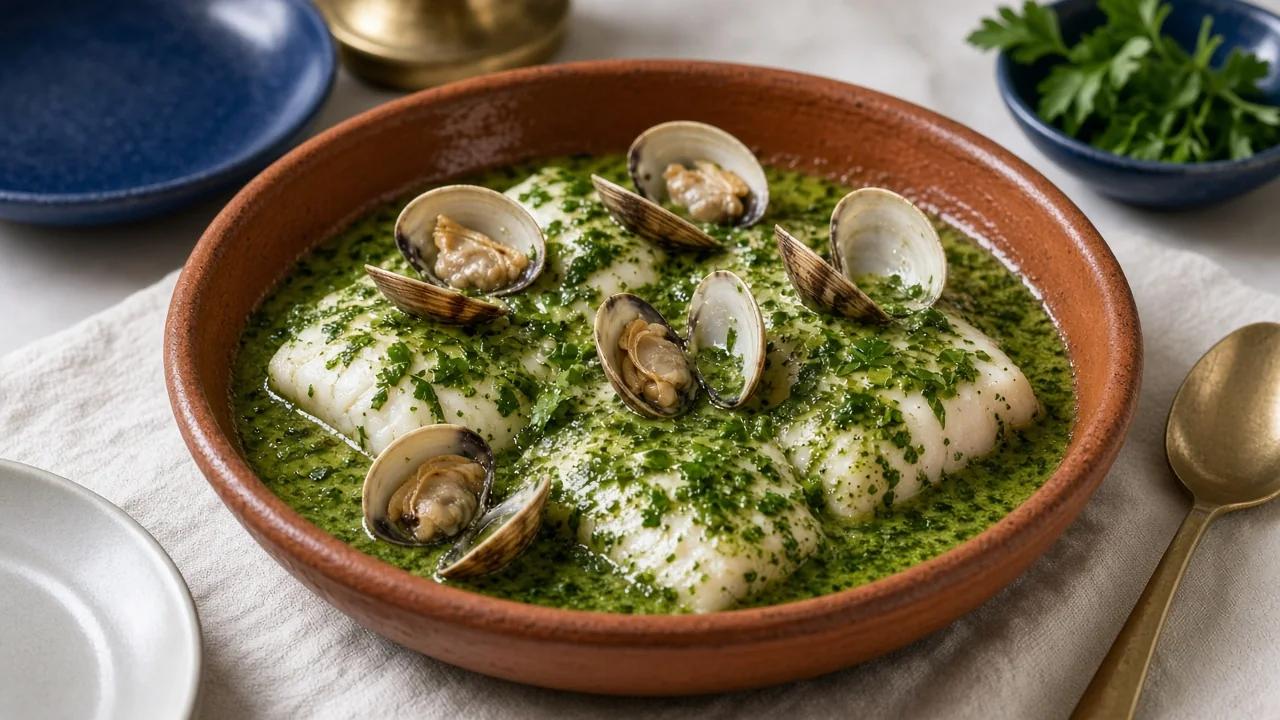
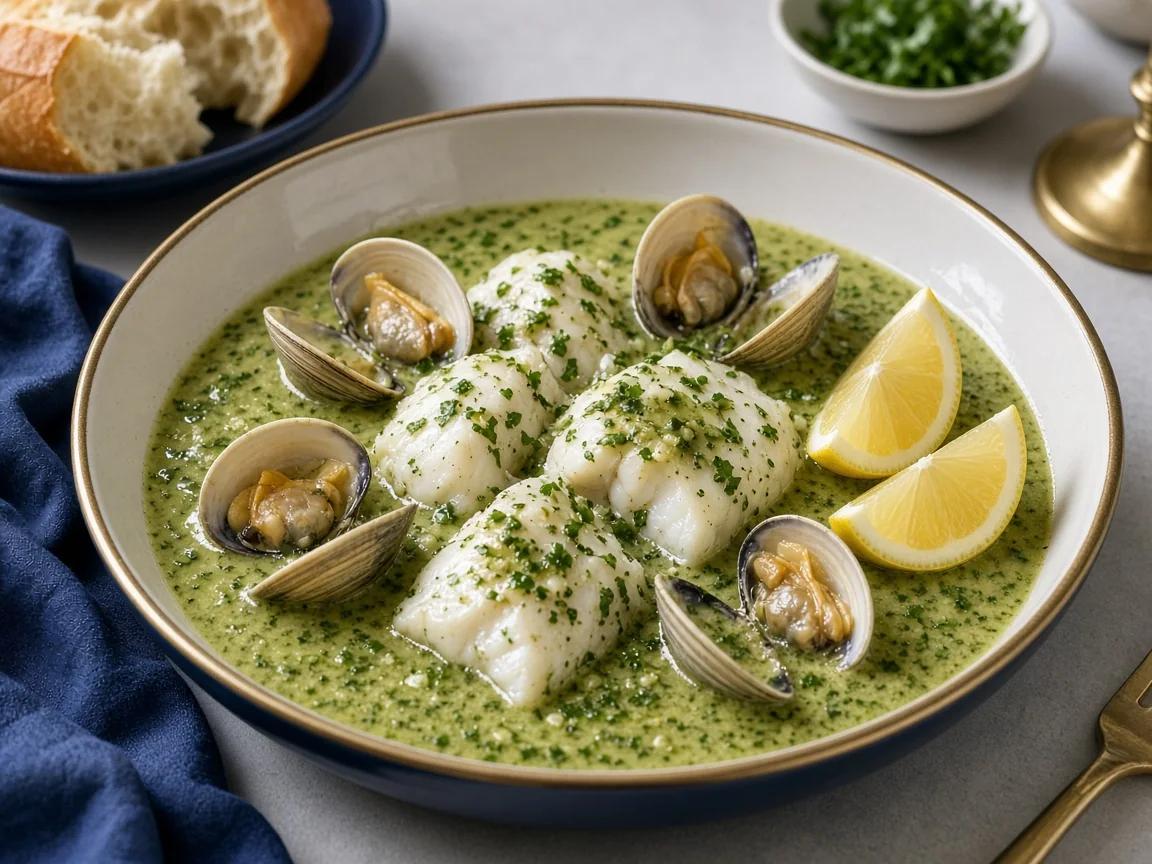
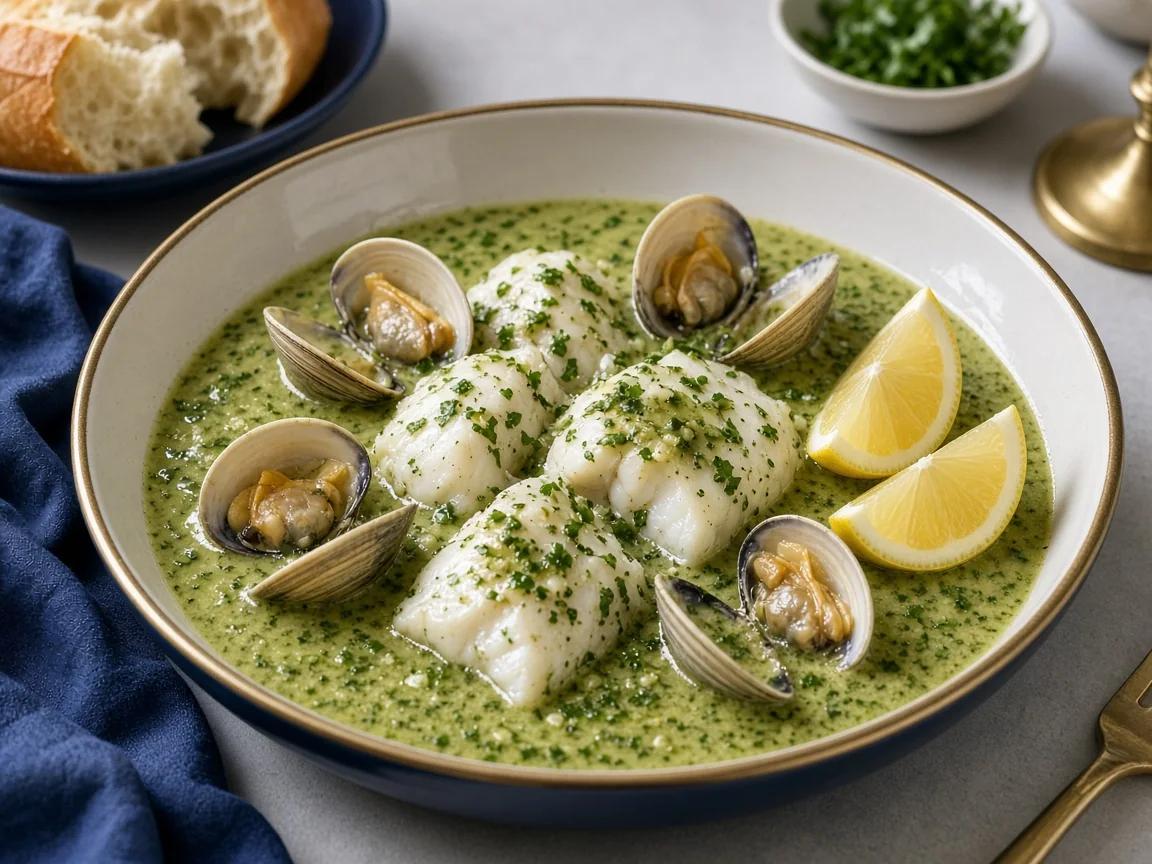
The Basque classic: tender hake in a silky garlic, parsley and white wine sauce, with clams that open into the pan. Serve with crusty bread to mop up every drop.
hake guide
European hake, *Merluccius merluccius*
Hake is a soft, mild, white-fleshed sea fish related to cod, and it's one of the best-value, most sustainable alternatives to cod and haddock in the UK.
mild, delicate and slightly sweet, with soft, large, moist flakes · Merlucciidae (the hakes), close relatives of the cod family
Ask the Fish Guide about hake — grounded in this species hub.
Scientific name
European hake, *Merluccius merluccius*
Family
Merlucciidae (the hakes), close relatives of the cod family
Also called
merluza (Spanish), pescada (Portuguese), merlu (French); silver hake is sold as "whiting" in the US
Where it lives
the Northeast Atlantic from Norway to West Africa, and the Mediterranean
Goût
mild, delicate and slightly sweet, with soft, large, moist flakes
Habitat
Merlucciidae (the hakes), close relatives of the cod family
Recipes
Step-by-step methods from our recipe pages — same hero photos you will see on each dish.
International · Medium
The Basque classic: tender hake in a silky garlic, parsley and white wine sauce, with clams that open into the pan. Serve with crusty bread to mop up every drop.
Hake is a soft, mild, white-fleshed sea fish related to cod, and it's one of the best-value, most sustainable alternatives to cod and haddock in the UK.
Buying links may earn a commission. Restaurant listings are editorial — not paid placements in this block.
Catch & season
Species guide
Hake is a soft, mild, white-fleshed sea fish related to cod, and it's one of the best-value, most sustainable alternatives to cod and haddock in the UK. In Spain and Portugal it's the most loved fish of all (*merluza* and *pescada*), and more and more UK chippies and supermarkets now sell it as a tasty, lower-impact swap.
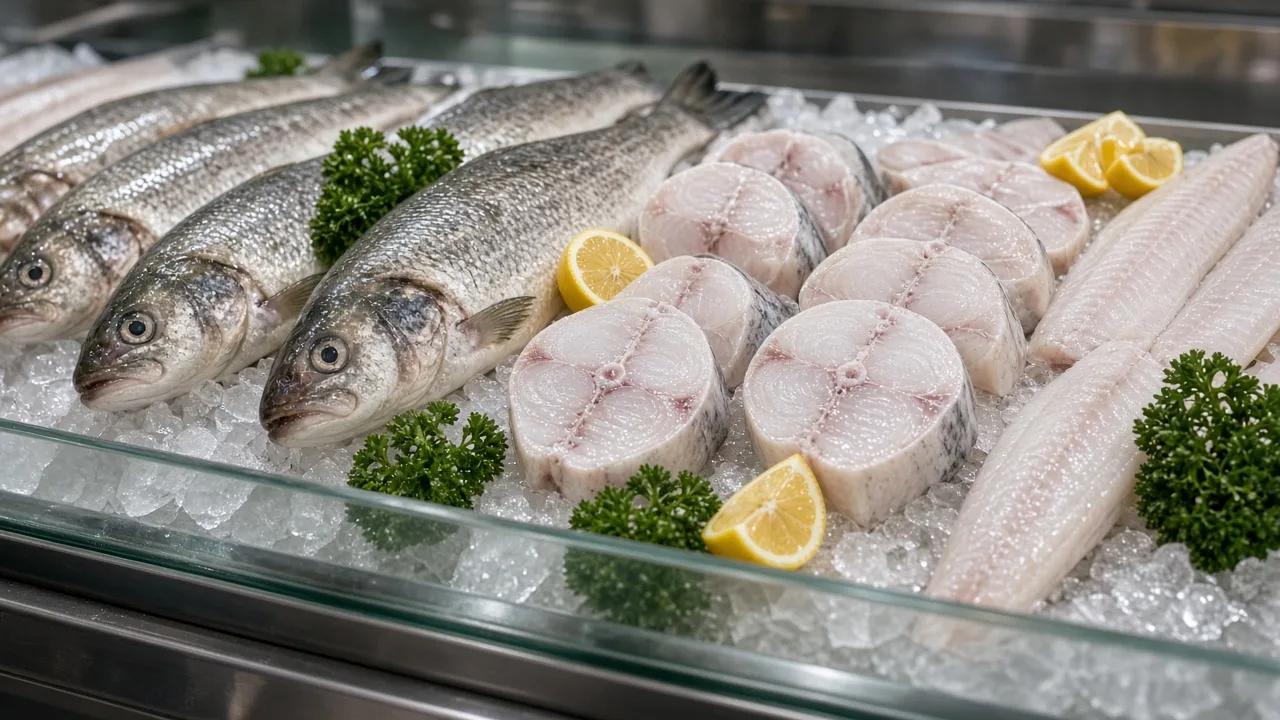
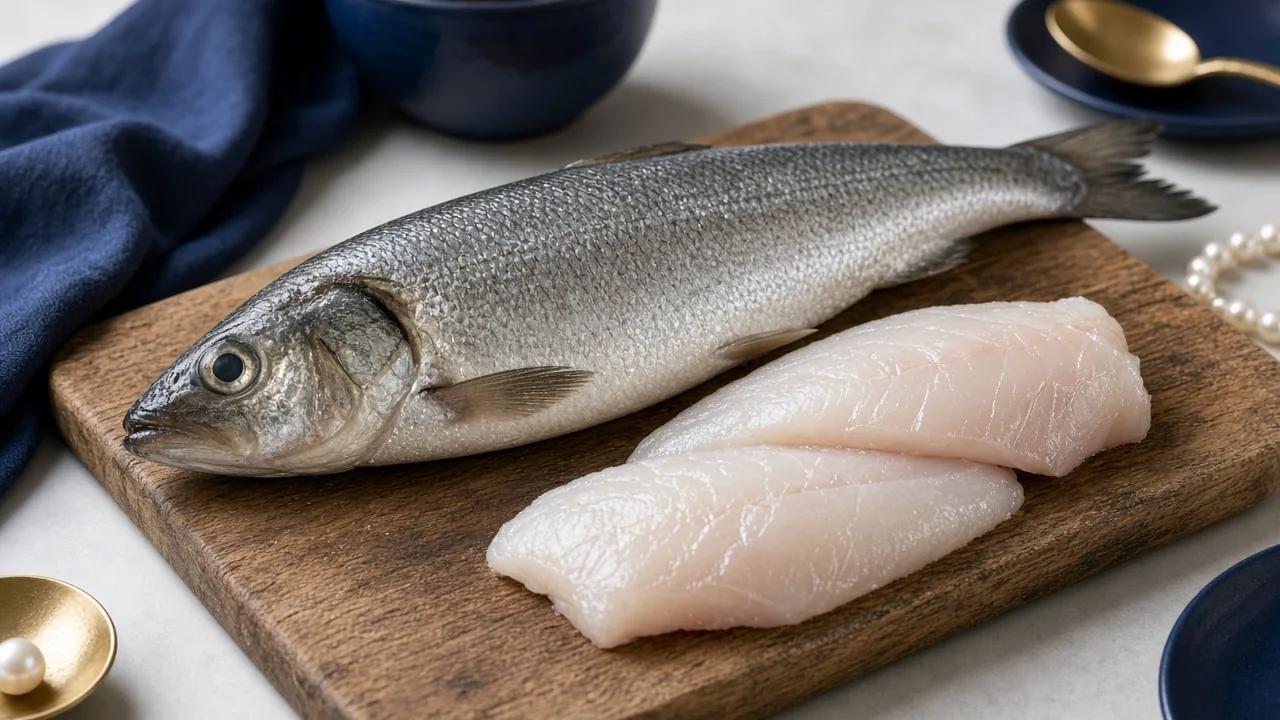
What is hake? It's a long, slim, silvery-grey sea fish with a big mouth full of sharp teeth and a dark lining inside its mouth. It hunts other fish, squid and crustaceans, usually staying near the seabed in the day and rising up the water column at night.
European hake is split into two main stocks for management: a northern stock (from the Bay of Biscay north to Norway, including UK waters) and a southern stock (off Spain and Portugal). The northern stock recovered strongly in the 2000s and 2010s under tighter management, which is why hake is now plentiful in UK waters (Marine Conservation Society; Seafish).
Other hakes are sold around the world: Cape hake from South Africa and Namibia, Argentine hake, and silver hake from the Northwest Atlantic, which is sold as "whiting" in the US.
Is hake a flatfish? No. Hake is a round fish, like cod, haddock and sea bass. Round fish have eyes on each side of the head and swim upright. Flatfish, such as plaice, Dover sole, turbot and halibut, have both eyes on one side and lie flat on the seabed. When you fillet a round fish like hake, you get two fillets; a flatfish gives four.
What does hake taste like? Very mild and clean, slightly sweet, and not at all "fishy". The flesh is soft and moist, and it cooks into large, tender, snowy-white flakes. It's softer and more delicate than cod, so it needs gentle handling, but it stays beautifully juicy. Because the flavour is gentle, it pairs well with garlic, parsley, lemon, chorizo, smoked paprika and saffron, the flavours of Spain.
| Hake | Atlantic cod | Haddock | |
|---|---|---|---|
| Family | Merlucciidae | Cod family | Cod family |
| Flavour | Mild, slightly sweet | Mild, clean | Slightly sweeter |
| Texture | Soft, moist, large flakes | Firm, chunky flakes | Fine, tender flakes |
| Holds together | Fairly delicate | Very well | Well |
| Best for | Pan-frying, baking, Spanish stews, fish and chips | Fish and chips, roasting | Fish and chips, smoking |
If a recipe calls for Atlantic cod or haddock, hake is almost always a great swap. Just handle it a little more gently.
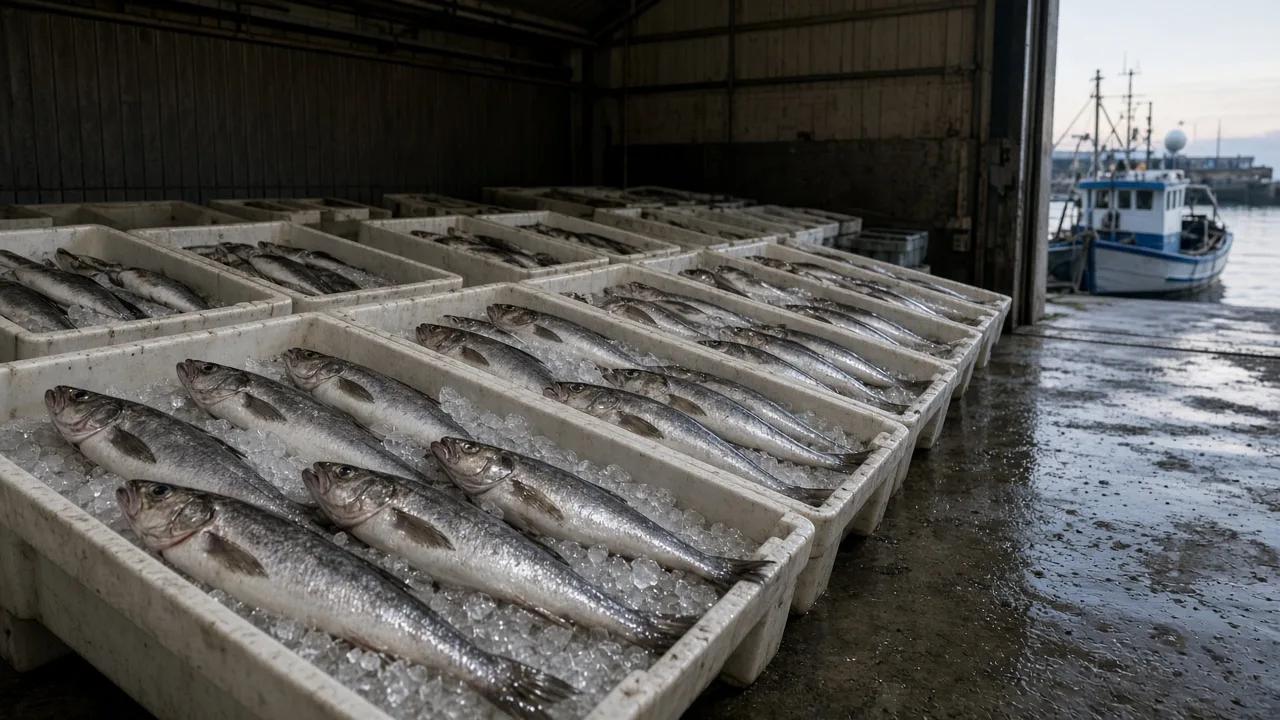
Hake is one of the better choices on the UK fish counter. The Marine Conservation Society rates hake from the northern stock (caught in UK and nearby waters by trawls, gillnets or longlines) among its better choices, while hake from the southern stock off Iberia has been more of a concern. Several hake fisheries are certified by the Marine Stewardship Council, including South African Cape hake. Check the MCS Good Fish Guide for the latest rating for the area and fishing method on the label.
How to cook hake: the golden rule is to cook it gently and not too long. It's done at 63°C (145°F) in the thickest part, when the flesh turns opaque and flakes easily (FoodSafety.gov).
How to cook hake fillets in a frying pan for crisp skin:
Put the fillets in an oiled dish, add a splash of white wine, lemon slices, garlic and herbs, and bake at 200°C (180°C fan, 400°F) for 10 to 15 minutes depending on thickness. A crumb topping of breadcrumbs, parsley, lemon zest and parmesan adds crunch.
In Spain, hake is cooked *en salsa verde* (in a garlic, parsley and white wine sauce with clams), *a la romana* (in a light egg batter) or *a la gallega* (with potatoes and paprika). See the recipe below.
Pan-fry hake and serve it on butter beans or chickpeas stewed with chorizo, smoked paprika and tomato. It's a hugely popular UK restaurant dish.
Hake works well in batter. Many Spanish and Portuguese-run chippies use it, and it's a great, sustainable choice. Use our beer-battered haddock and chips recipe and simply swap in hake.
Fresh hake is delicate and is best eaten within a day or two of buying. Keep it covered in the coldest part of the fridge, on a plate to catch any drips. To freeze, wrap it tightly and use it within 3 months; thaw it slowly in the fridge overnight and pat it very dry before cooking, as thawed hake releases water.
| Method | Temperature | Time (fillet about 1 inch / 2.5 cm thick) |
|---|---|---|
| Pan-fried, skin side down | Medium-high | 3 to 4 minutes, then 30 to 60 seconds on the flesh side |
| Baked | 200°C / 400°F | 10 to 15 minutes |
| Roasted loin | 200°C / 400°F after searing | 6 to 8 minutes |
| Poached in sauce | Gentle simmer | 6 to 8 minutes |
| Battered and deep-fried | 180°C / 350°F | 4 to 6 minutes |
| Steamed | Over boiling water | 6 to 8 minutes |
| Check | Fresh | Past its best |
|---|---|---|
| Smell | Clean, mild, like the sea | Sour, fishy or ammonia-like |
| Flesh | Moist, glossy, pearly white | Dull, dry or yellowing at the edges |
| Texture | Soft but springs back | Mushy; fingerprints stay |
| Whole fish eyes | Clear and bright | Cloudy and sunken |
| Gills | Bright red | Brown or grey |
Hake is lean and high in protein. USDA FoodData Central has no entry for European hake, but its close relative silver hake is listed as "whiting". Values per 100 g (whiting, mixed species, raw):
| Nutrient | Amount |
|---|---|
| Calories | 90 kcal |
| Protein | 18.3 g |
| Fat | 1.31 g |
| Cholesterol | 67 mg |
| Selenium | 32.1 µg |
| Vitamin B12 | 2.3 µg |
| Phosphorus | 222 mg |
| Potassium | 249 mg |
Like other white fish, hake has less omega-3 than oily fish, so the NHS advises eating at least two portions of fish a week, one of them oily (NHS).
Our step-by-step recipe, with a photo for every step:
More seafood recipes on our site that use the same techniques:
Every recipe on this page works with our ready-made regional spice blends. For hake, try Spanish Paella Blend, part of our 10-blend World Seafood Spice Pack. Each blend is a complete seasoning: warm a spoonful in oil or butter, add your seafood, and cook.
Prefer someone else to cook? Browse our Mediterranean seafood restaurants or find the best fish restaurants in London, Cardiff, Brighton, Edinburgh.
Part of our North Atlantic white fish guides in the fish and seafood guide hub.
What is hake? A mild, white-fleshed round sea fish related to cod. European hake is caught across the Northeast Atlantic and is especially popular in Spain and Portugal.
What does hake taste like? Mild, clean and slightly sweet, with soft, moist, large white flakes. It isn't fishy.
How do you cook hake? Pan-fry it skin-side down for 3 to 4 minutes, then flip for 30 to 60 seconds, or bake it at 200°C (400°F) for 10 to 15 minutes.
Is hake a flatfish? No. Hake is a round fish, like cod and haddock.
Is hake better than cod? It's softer and slightly sweeter, and often more sustainable and better value. Cod is firmer with chunkier flakes. Both are excellent.
Is hake a sustainable fish? Northern stock hake caught in UK and nearby waters is one of the better choices. Check the MCS Good Fish Guide for the latest rating.
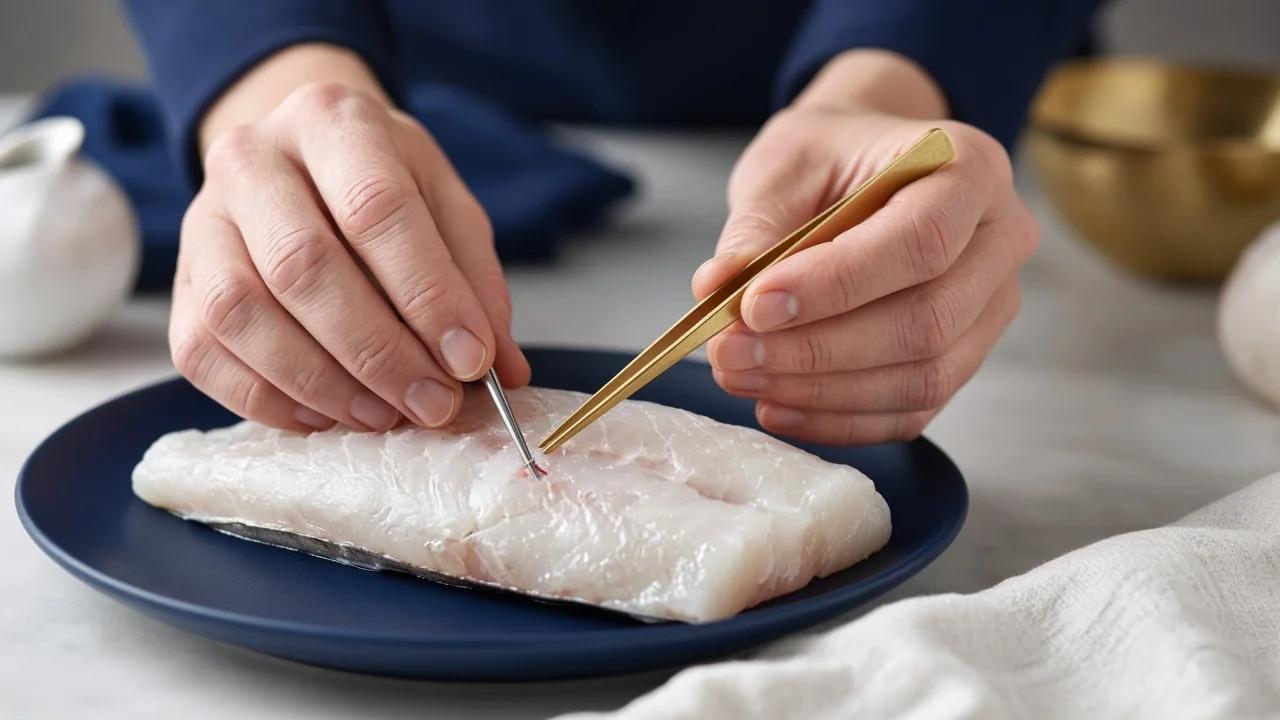
Does hake have bones? Fillets have a row of pin bones that are easy to remove with tweezers. Hake steaks contain the backbone.
What is merluza? The Spanish name for hake, Spain's favourite fish.
A mild, white-fleshed round sea fish related to cod. European hake is caught across the Northeast Atlantic and is especially popular in Spain and Portugal.
Mild, clean and slightly sweet, with soft, moist, large white flakes. It isn't fishy.
Pan-fry it skin-side down for 3 to 4 minutes, then flip for 30 to 60 seconds, or bake it at 200°C (400°F) for 10 to 15 minutes.
No. Hake is a round fish, like cod and haddock.
It's softer and slightly sweeter, and often more sustainable and better value. Cod is firmer with chunkier flakes. Both are excellent.
Northern stock hake caught in UK and nearby waters is one of the better choices. Check the MCS Good Fish Guide for the latest rating.
Fillets have a row of pin bones that are easy to remove with tweezers. Hake steaks contain the backbone.
The Spanish name for hake, Spain's favourite fish.
Cookies. Essential cookies always run. Analytics and ads need your choice — manage or accept below. Essential cookies run the site. Google Analytics runs by default outside the UK, EEA and Switzerland, and only after you accept it there. Opt out any time in Cookie settings. Ads (Meta, Pinterest) load only with your permission. · Privacy