Italian / Sicilian · Easy
Sicilian Seared Tuna with Lemon, Capers & Oregano
Fast Mediterranean tuna — hard sear, bright lemon-caper finish, dinner in under 20 minutes.
tuna guide
Thunnus spp.
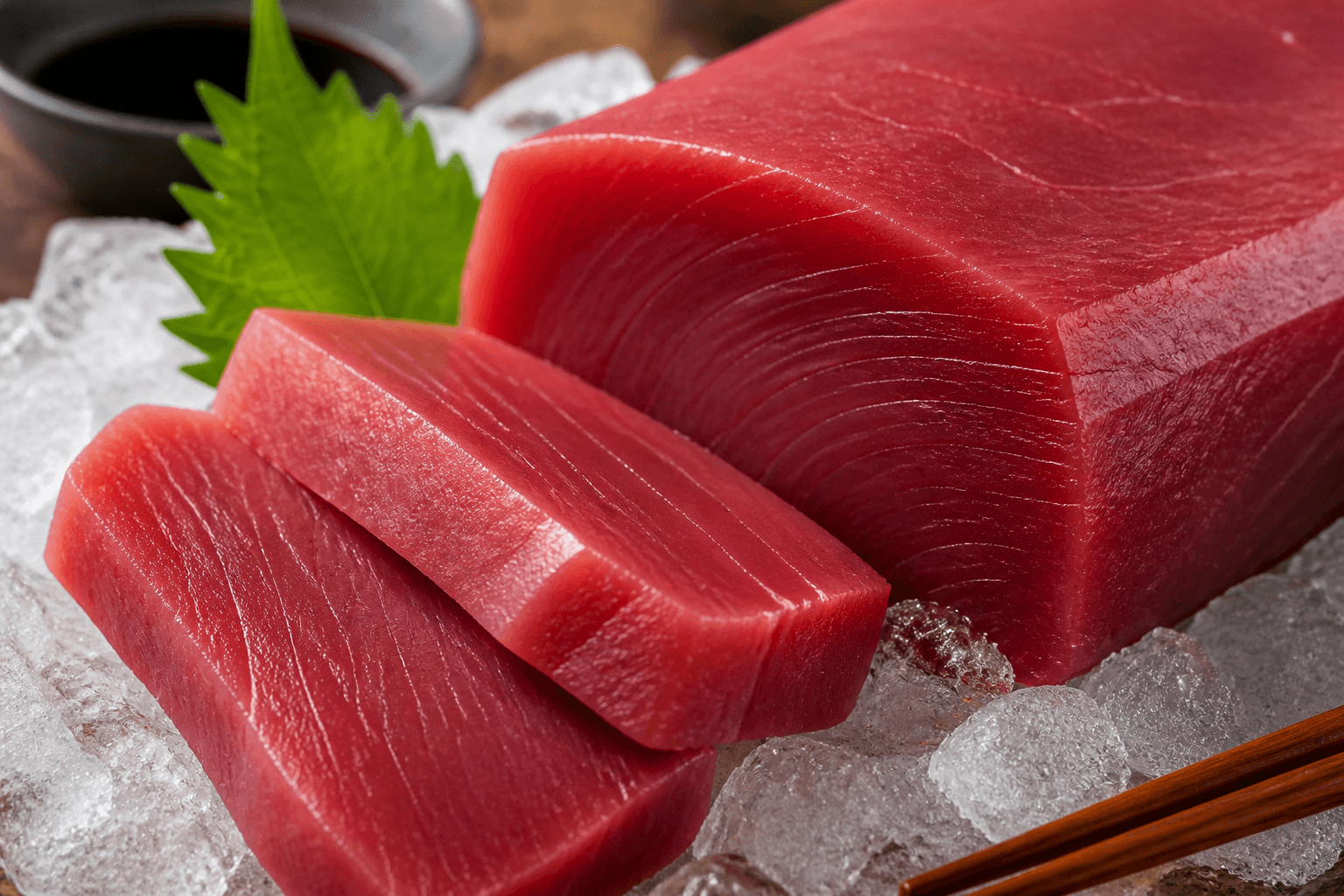
Tuna are large, fast ocean fish with deep red, meaty flesh, eaten raw as sashimi, seared rare as steaks or cooked and canned.
mild, meaty; firm and moist with large flakes (NOAA Fisheries) · Year-round in restaurants; peak quality depends on species, fishery, and cold-chain handling. · Open ocean worldwide — tropical and temperate tuna fisheries supply most restaurant kitchens.
 Info
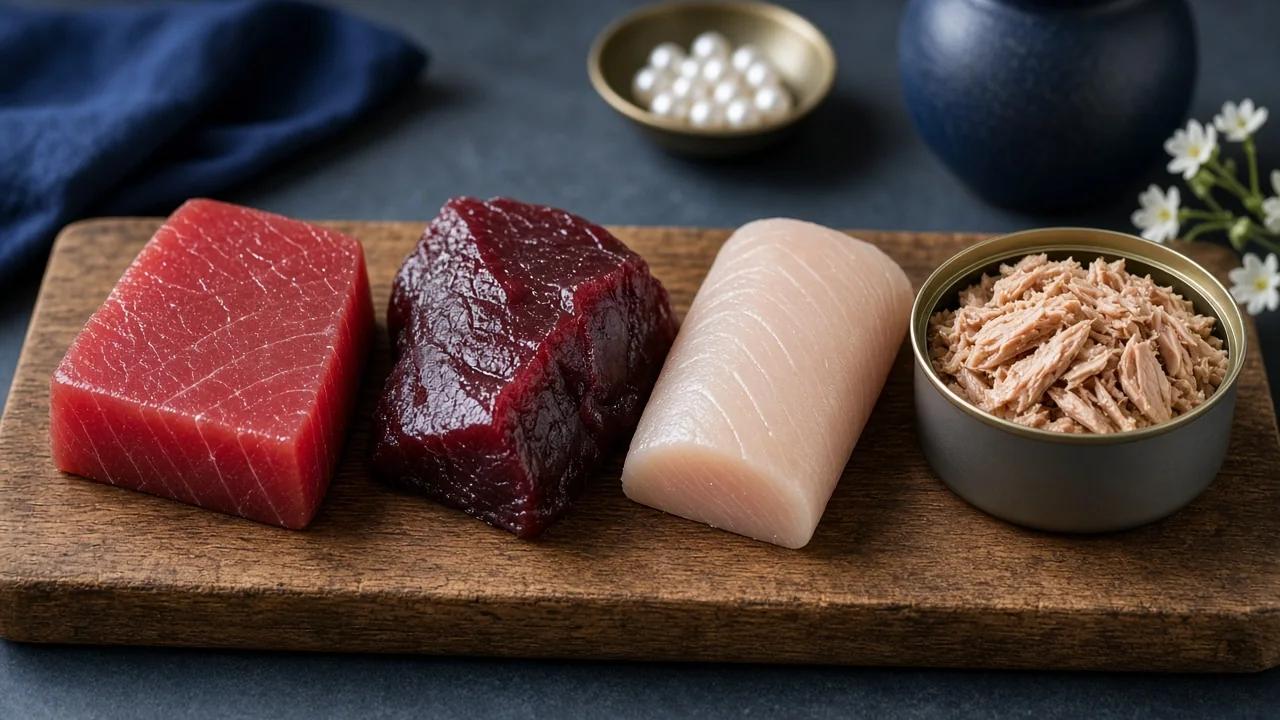
Bluefin, yellowfin, albacore, skipjack; mercury and nutrition.
Open →Cook6 recipes: seared ahi, grilled steak, poke, tuna salad.
Open → Eat
Tuna on real menus in all 30 of our cities.
Open →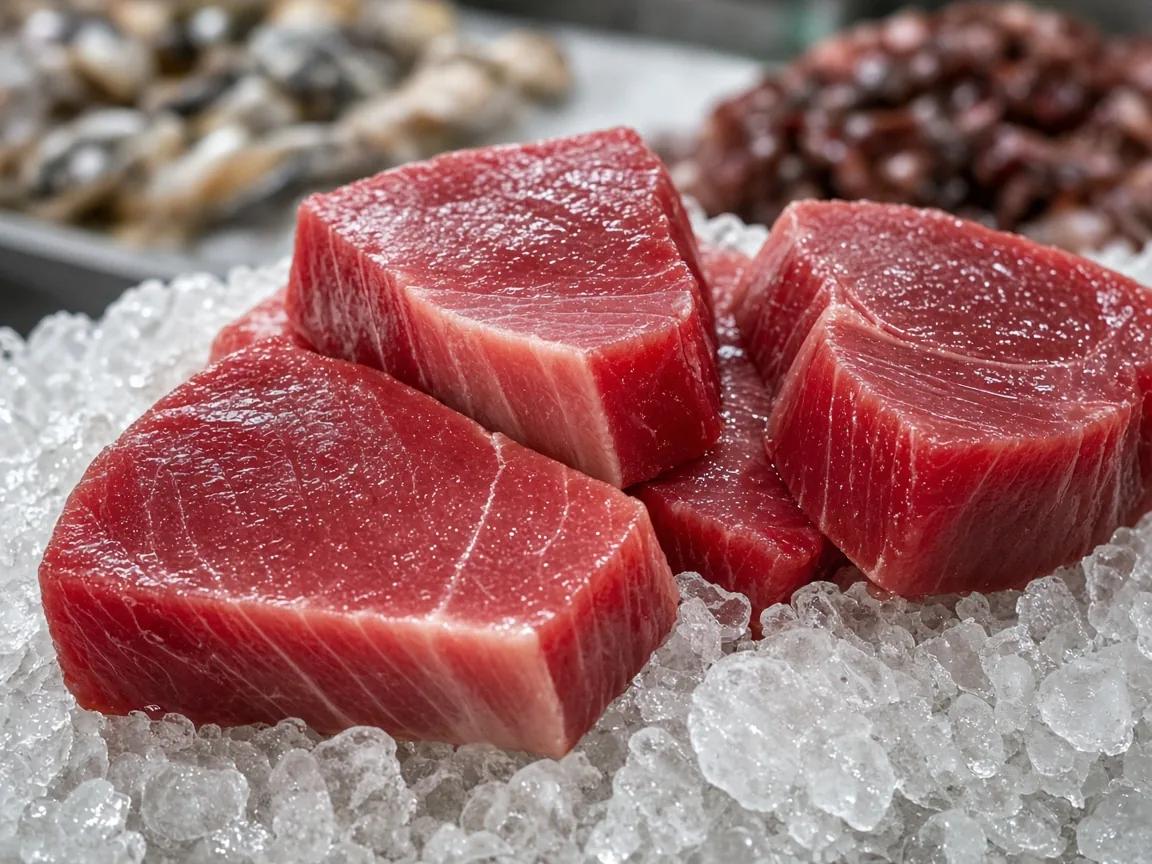 Buy
Steaks, sushi tuna and cans: labels and markets near you.
Open →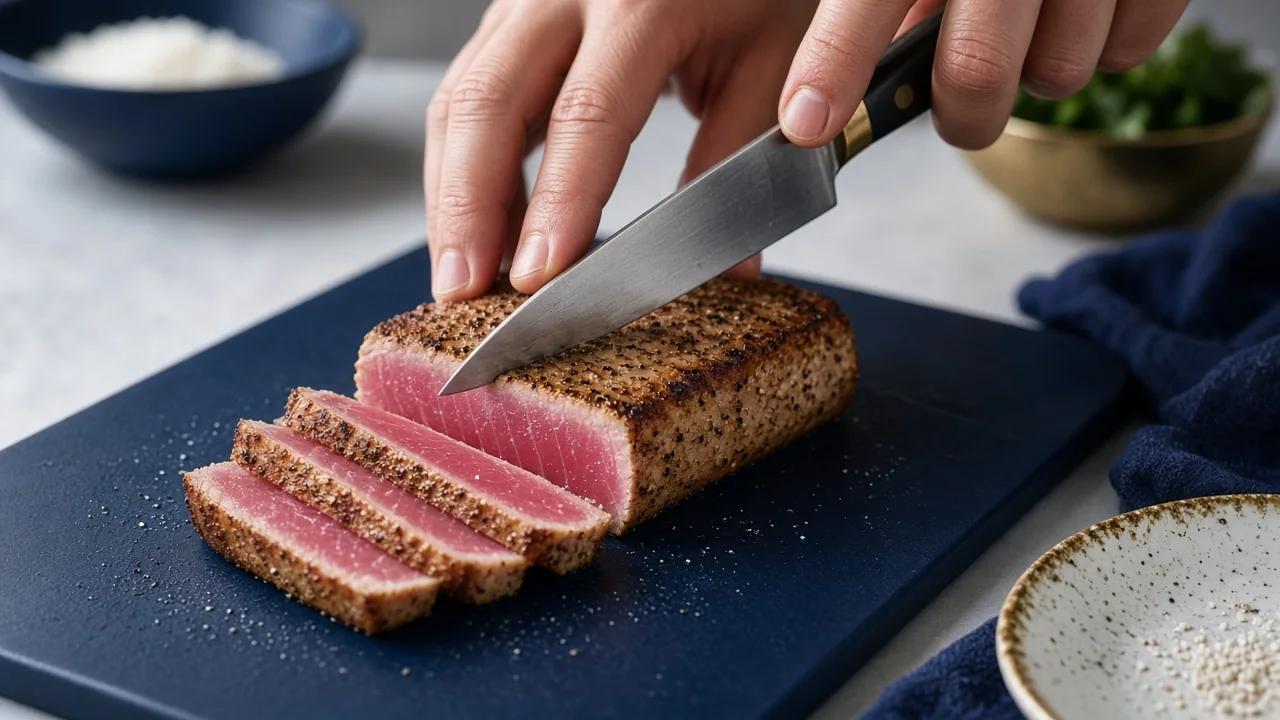 Tips
Sear hot and fast; raw-safety basics.
Open →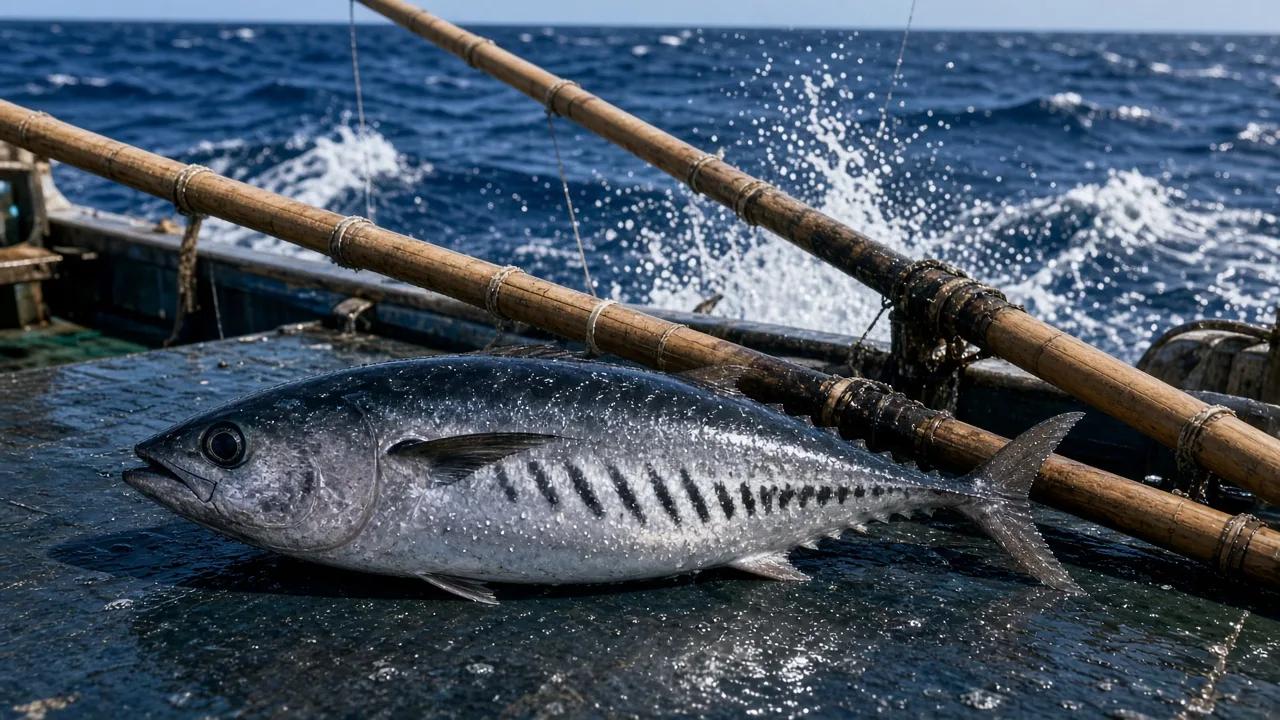 Catch
Pole-and-line vs longline vs purse seine; who manages it.
Open →Ask the Fish Guide about tuna — grounded in this species hub.
Main types
bluefin, yellowfin (ahi), bigeye, albacore (white tuna) and skipjack (most canned light tuna)
Yellowfin taste
mild, meaty; firm and moist with large flakes (NOAA Fisheries)
Bluefin
the darkest and fattiest tuna (NOAA Fisheries)
Mercury (FDA)
canned light/skipjack is a Best Choice; albacore and yellowfin are Good Choices; bigeye is a Choice to Avoid
الطعم
mild, meaty; firm and moist with large flakes (NOAA Fisheries)
الموسم
Year-round in restaurants; peak quality depends on species, fishery, and cold-chain handling.
الموطن
Open ocean worldwide — tropical and temperate tuna fisheries supply most restaurant kitchens.
Recipes
Step-by-step methods from our recipe pages — same hero photos you will see on each dish.
Italian / Sicilian · Easy
Fast Mediterranean tuna — hard sear, bright lemon-caper finish, dinner in under 20 minutes.
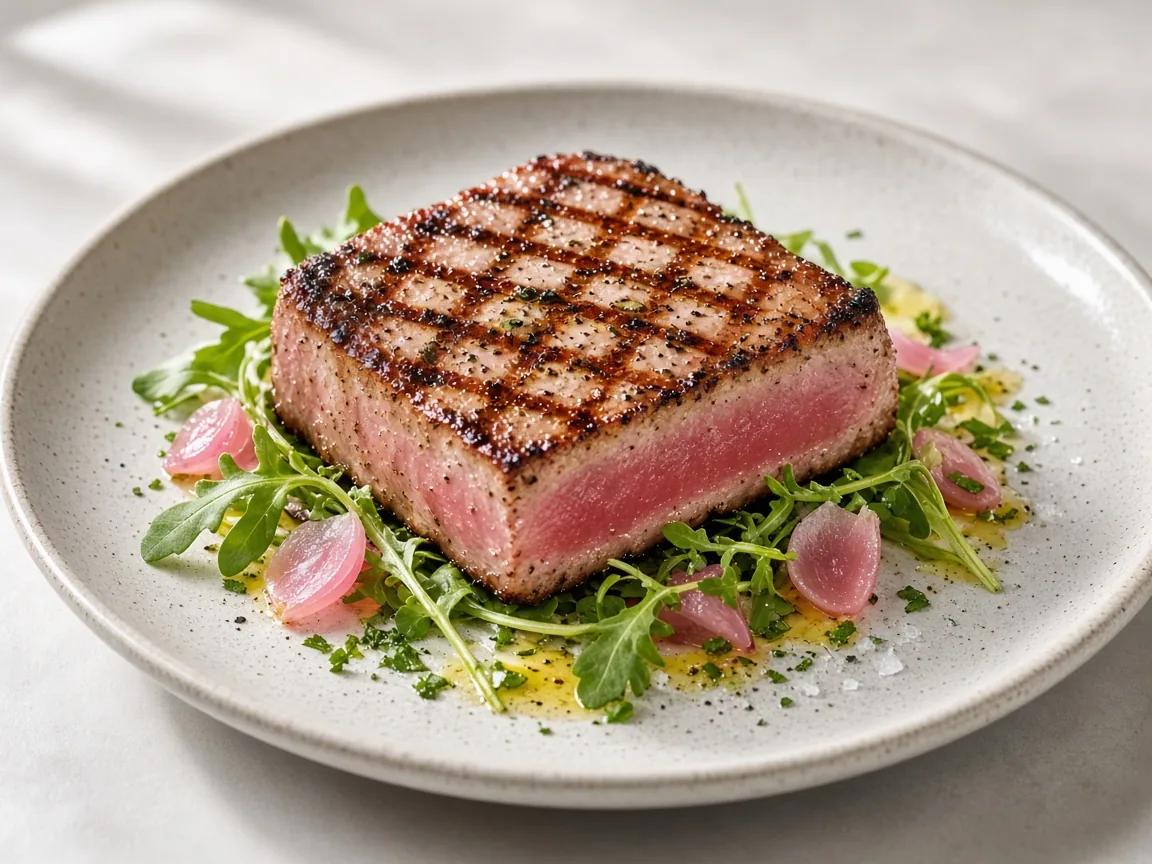
Mediterranean / American · Medium
Grilled tuna is a high-heat, short cook, like a steak. The grill should be very hot, the grates clean and oiled, and the centre left pink unless you have chosen to cook it through.
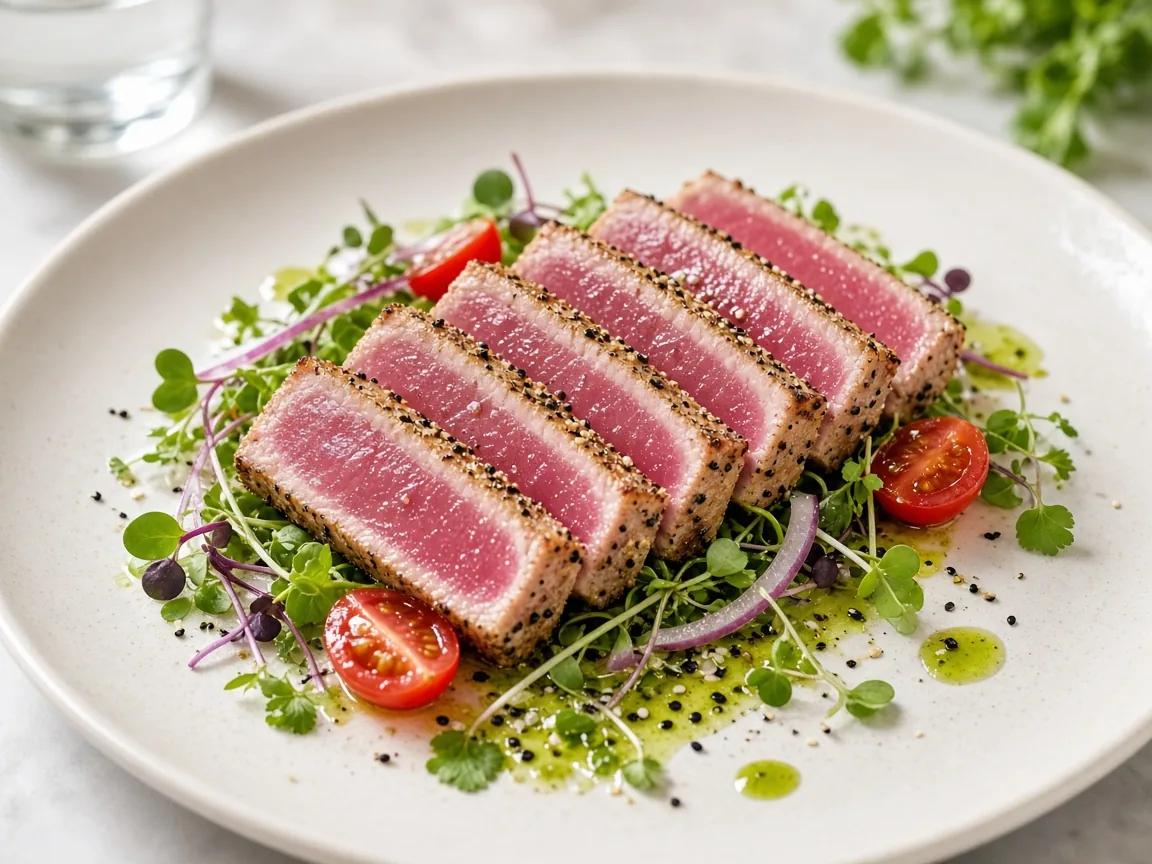
International · Medium
Tuna steaks are at their best with a very hot, short cook and a pink or ruby centre, unless you have chosen to cook them through. The fish is lean and dries quickly once the centre goes grey.
Japanese-inspired · Medium
A seared ahi tuna steak should have a toasted sesame crust and a cool, ruby centre. The pan has to be genuinely hot, and the sear is measured in seconds, not minutes.
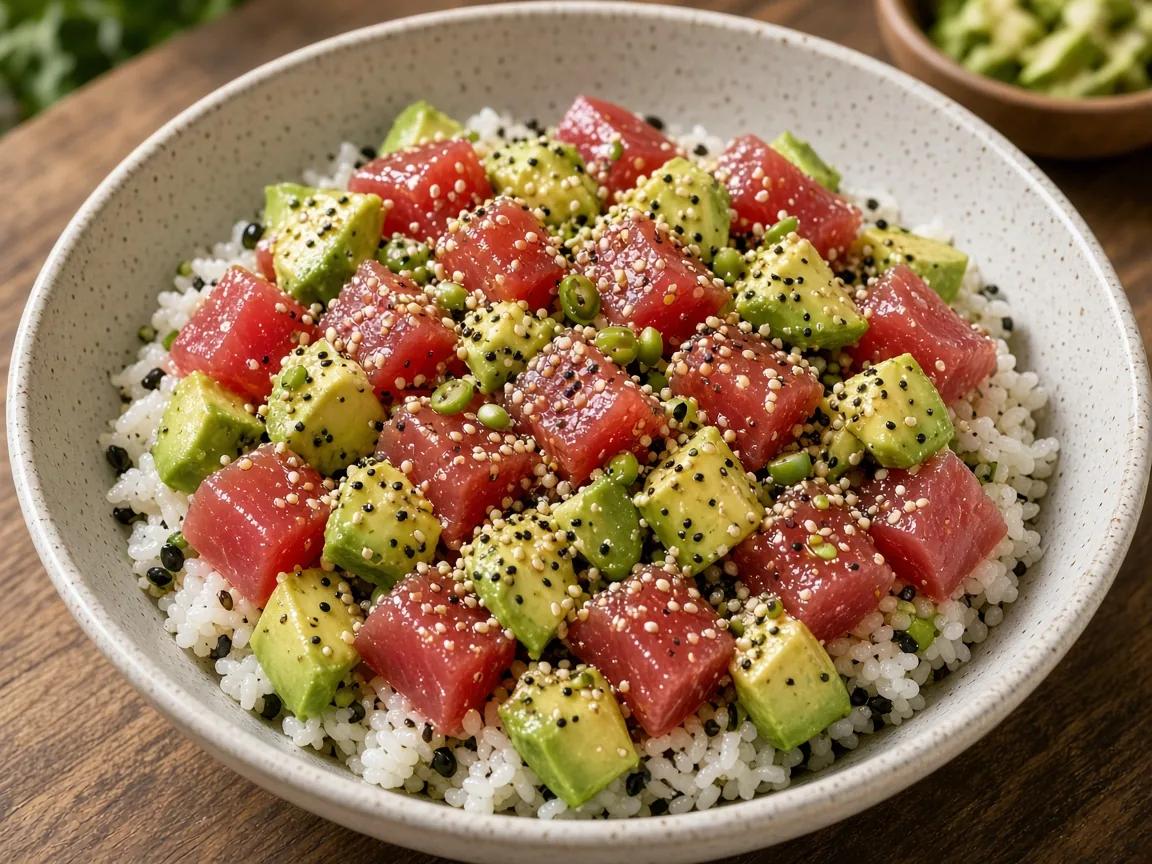
Hawaiian / Japanese-inspired · Easy
A tuna poke bowl starts with cold, diced sushi-grade tuna tossed in a soy and sesame seasoning, then piled on rice with crisp toppings. The fish is not cooked.
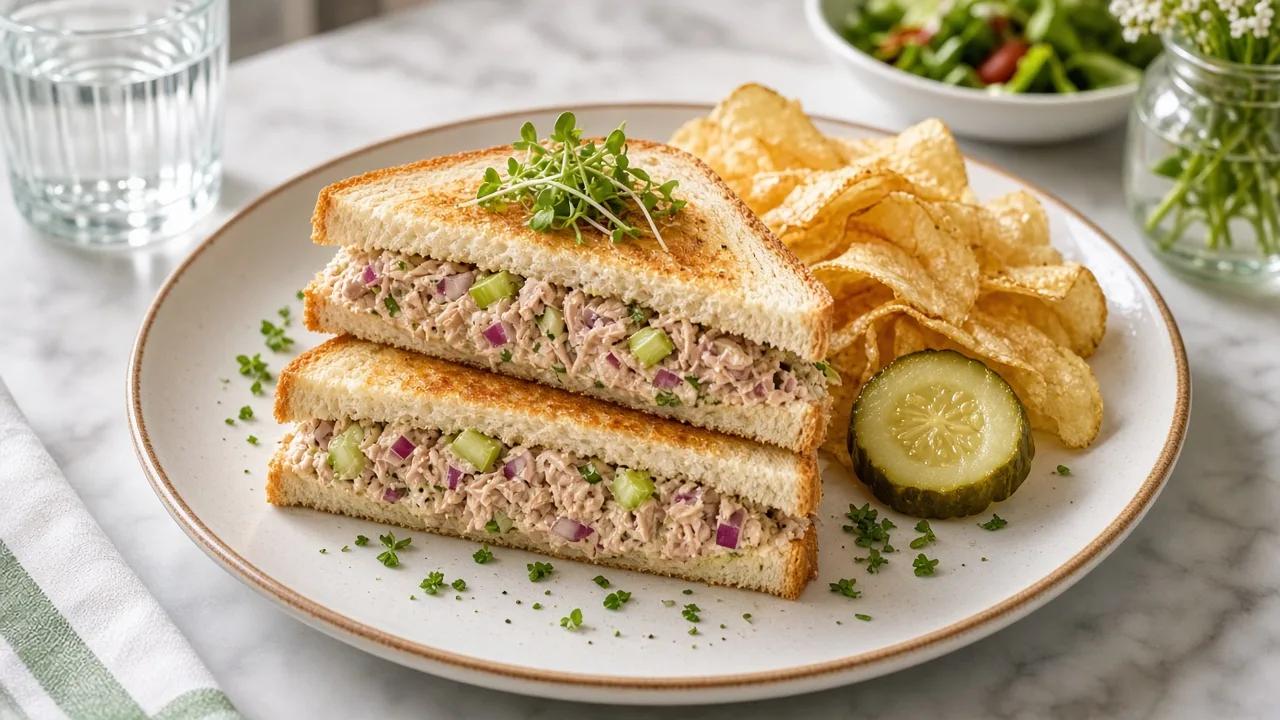
American · Easy
Tuna salad is a canned-tuna dish, not a seared steak and not a poke bowl. The aim is a light dressing, some crunch, and tuna that still tastes like tuna rather than a mayonnaise paste.
Tuna are large, fast ocean fish with deep red, meaty flesh, eaten raw as sashimi, seared rare as steaks or cooked and canned.
Buying links may earn a commission. Restaurant listings are editorial — not paid placements in this block.
Tips
Best methods: Sashimi / crudo, Sear rare, Grill steak, Tataki.
Catch & season
Species guide
Tuna are large, fast ocean fish with deep red, meaty flesh, eaten raw as sashimi, seared rare as steaks or cooked and canned. The type of tuna matters a lot, for flavour, for sustainability and for mercury, so this guide explains the differences between bluefin, yellowfin, albacore and skipjack and how to cook a tuna steak perfectly. It is part of our Fish & Seafood Guide.
What is tuna? Tuna are fast-swimming predators in the mackerel family, found in oceans around the world. They are built for speed and long migrations.
| Tuna | Flavour and texture | Common uses | FDA mercury advice |
|---|---|---|---|
| Bluefin | Darkest, fattiest; prized for sushi (NOAA) | Sashimi, toro | Not listed separately |
| Yellowfin (ahi) | Mild, meaty; firm, moist, large flakes (NOAA) | Steaks, poke, sashimi | Good Choice |
| Bigeye | Rich, fatty | Sashimi | Choice to Avoid |
| Albacore (white tuna) | Mild, pale | Canned "white" tuna, steaks | Good Choice |
| Skipjack | Stronger flavour | Canned "light" tuna | Best Choice |
Fresh tuna tastes meaty and mild, more like a lean steak than a flaky white fish. NOAA describes yellowfin as mild and meaty, more flavourful than albacore, with firm, moist meat and large flakes. Bluefin has a distinctive, rich flavour because of its high fat content. The fatty belly, called *toro* in Japan, is the most prized.
It depends on the species, the stock and the fishing method:
Check cans and fresh labels for the species, ocean and fishing method.
Some tuna is. The FDA's advice:
This advice is especially important for people who are pregnant or breastfeeding and for young children.
How to sear tuna steaks:
Grilled tuna: oil well and grill over high heat, 2 to 3 minutes per side for medium-rare.
Cooked through: the FDA says most seafood should reach 145°F (63°C). Rare tuna is a common restaurant choice, but people who are pregnant, older, very young or have weakened immunity should choose fully cooked fish.
Canned tuna: for salads, pasta, sandwiches and fishcakes.
| Doneness | Sear time per side | Centre |
|---|---|---|
| Rare | 1–1½ min | Red |
| Medium-rare | 2 min | Pink |
| Cooked through | 3–4 min | Opaque, 145°F (63°C) |
NOAA says yellowfin is bright red when raw and turns brown to greyish-tan when cooked.
Yes, in the right amounts. NOAA says yellowfin is low in saturated fat and sodium and a very good source of protein, thiamin, selenium, vitamin B6 and omega-3s. Mercury is the main thing to manage. The FDA puts canned light tuna (including skipjack) in Best Choices, albacore and yellowfin in Good Choices, and bigeye in Choices to Avoid.
For the best raw tuna, see the Tokyo seafood guide, sushi and omakase restaurants, sashimi and raw bars and poke bowl restaurants.
According to NOAA Fisheries (values per 100 g, raw):
| Nutrient | Yellowfin | Bluefin |
|---|---|---|
| Calories | 109 kcal | 144 kcal |
| Protein | 24.4 g | 23.33 g |
| Fat | 0.49 g | 4.9 g |
| Cholesterol | 39 mg | 38 mg |
| Selenium | 36.5 µg | 36.5 µg |
| Sodium | 45 mg | 39 mg |
NOAA says yellowfin is a very good source of protein, thiamin and selenium, and bluefin a very good source of protein, thiamin, selenium, vitamin B6 and omega-3 fatty acids.
How do you cook tuna steak? Pat dry, oil and season it, then sear in a very hot pan for 1 to 2 minutes per side for rare, or 3 to 4 minutes to cook it through.
Is tuna good for you? Yes. It's high in protein, selenium and omega-3s (NOAA). Choose lower-mercury types using the FDA chart.
How do you make tuna salad? Flake drained canned tuna with mayonnaise or yoghurt, lemon, mustard, celery and onion.
Which canned tuna is lowest in mercury? Canned light tuna, including skipjack, is an FDA Best Choice; albacore is a Good Choice.
What is ahi tuna? NOAA lists ahi as another name for yellowfin tuna.
Can you eat tuna rare? Many restaurants serve it rare, but higher-risk groups should eat it fully cooked (FDA).
What does tuna taste like? Yellowfin is mild and meaty, more flavourful than albacore but leaner than bluefin (NOAA).
Is tuna sustainable? It depends on the species and stock. Check MCS or Seafood Watch for your tuna's source and catch method.
The searing and salad guidance on this hub stays in place. These recipe pages go deeper on plated methods:
Canned tuna has its own method: tuna salad.
An existing recipe to keep and cross-link: Sicilian seared tuna.
Pat dry, oil and season it, then sear in a very hot pan for 1 to 2 minutes per side for rare, or 3 to 4 minutes to cook it through.
Yes. It's high in protein, selenium and omega-3s (NOAA). Choose lower-mercury types using the FDA chart.
Flake drained canned tuna with mayonnaise or yoghurt, lemon, mustard, celery and onion.
Canned light tuna, including skipjack, is an FDA Best Choice; albacore is a Good Choice.
NOAA lists ahi as another name for yellowfin tuna.
Many restaurants serve it rare, but higher-risk groups should eat it fully cooked (FDA).
Yellowfin is mild and meaty, more flavourful than albacore but leaner than bluefin (NOAA).
It depends on the species and stock. Check MCS or Seafood Watch for your tuna's source and catch method.
Cookies. Essential cookies always run. Analytics and ads need your choice — manage or accept below. Essential cookies run the site. Google Analytics runs by default outside the UK, EEA and Switzerland, and only after you accept it there. Opt out any time in Cookie settings. Ads (Meta, Pinterest) load only with your permission. · Privacy