Thai · Medium
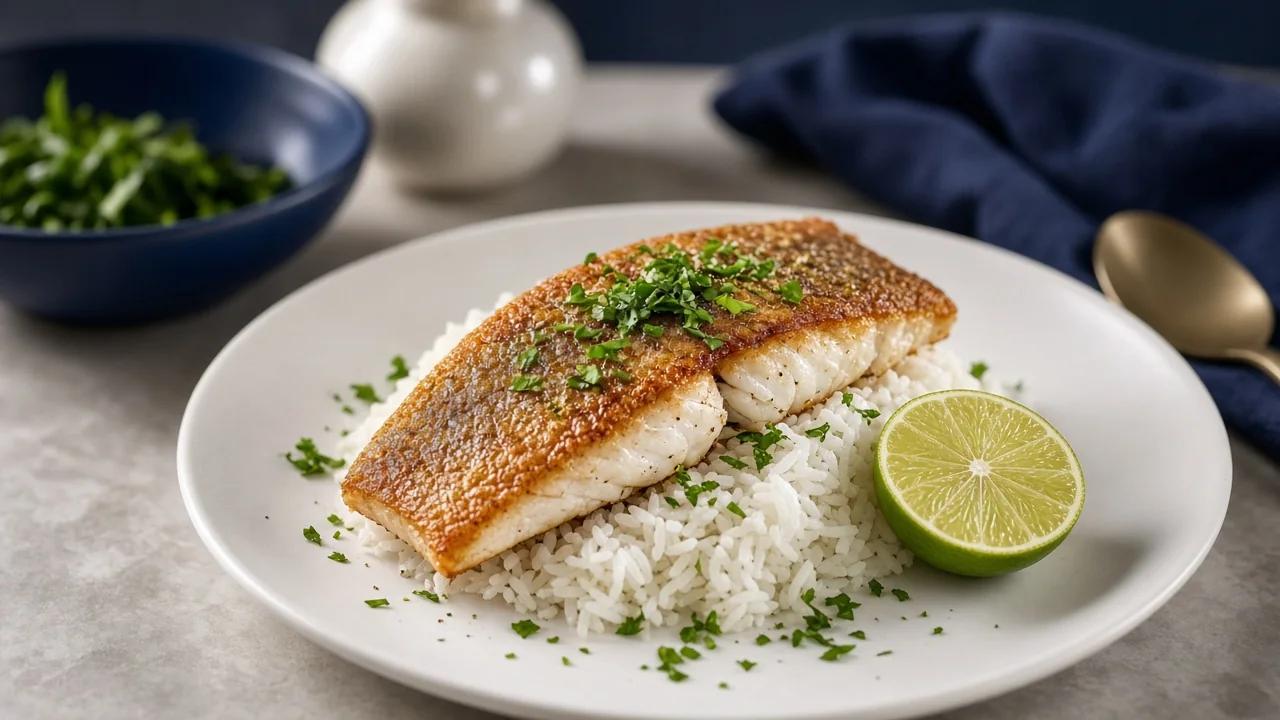
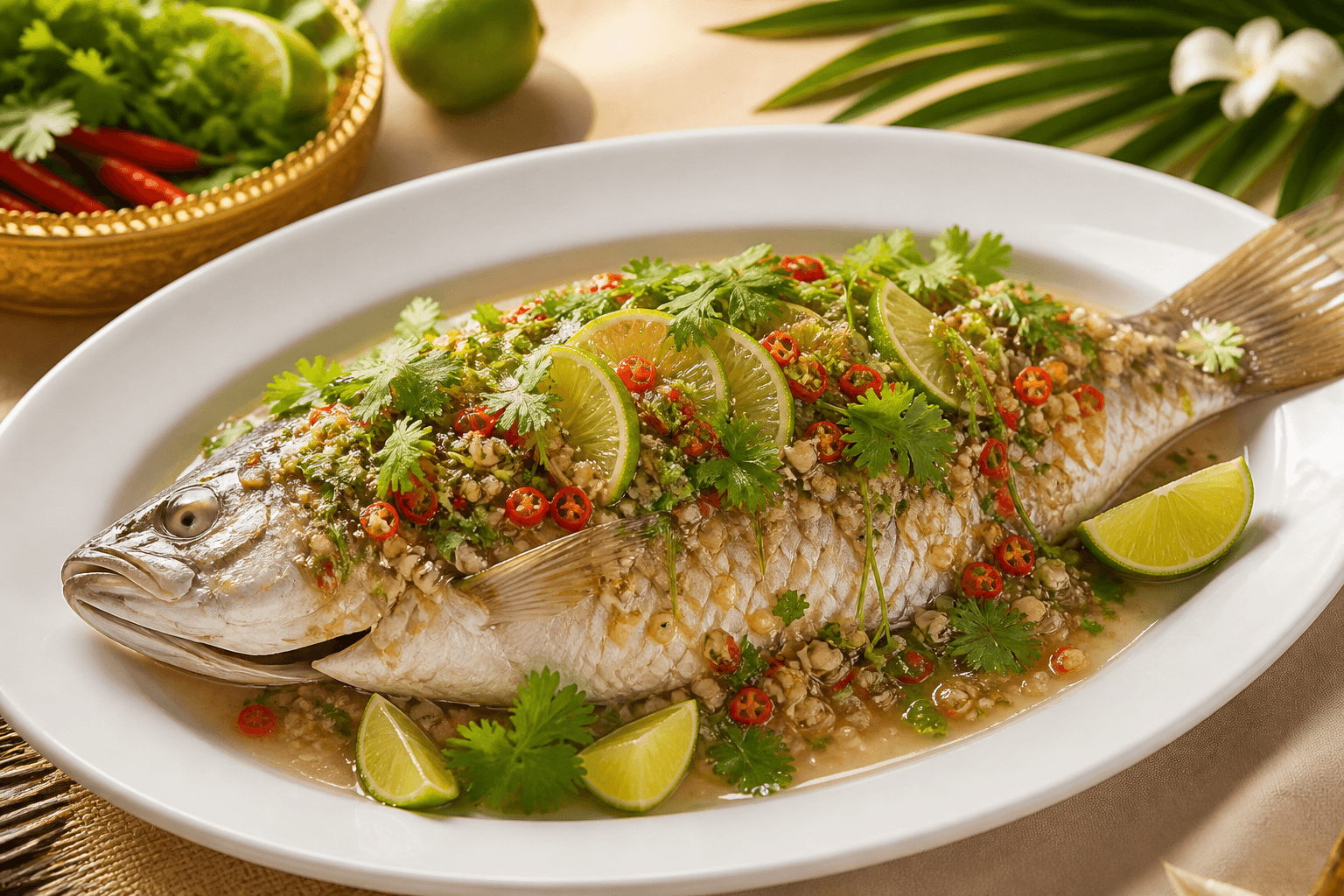
Thai Steamed Fish with Lime & Chilli (Pla Neung Manao)
A whole fish steamed until tender, then flooded with searing lime–chilli–garlic sauce — Bangkok’s cleanest seafood thrill.
barramundi guide
*Lates calcarifer* (FishBase)
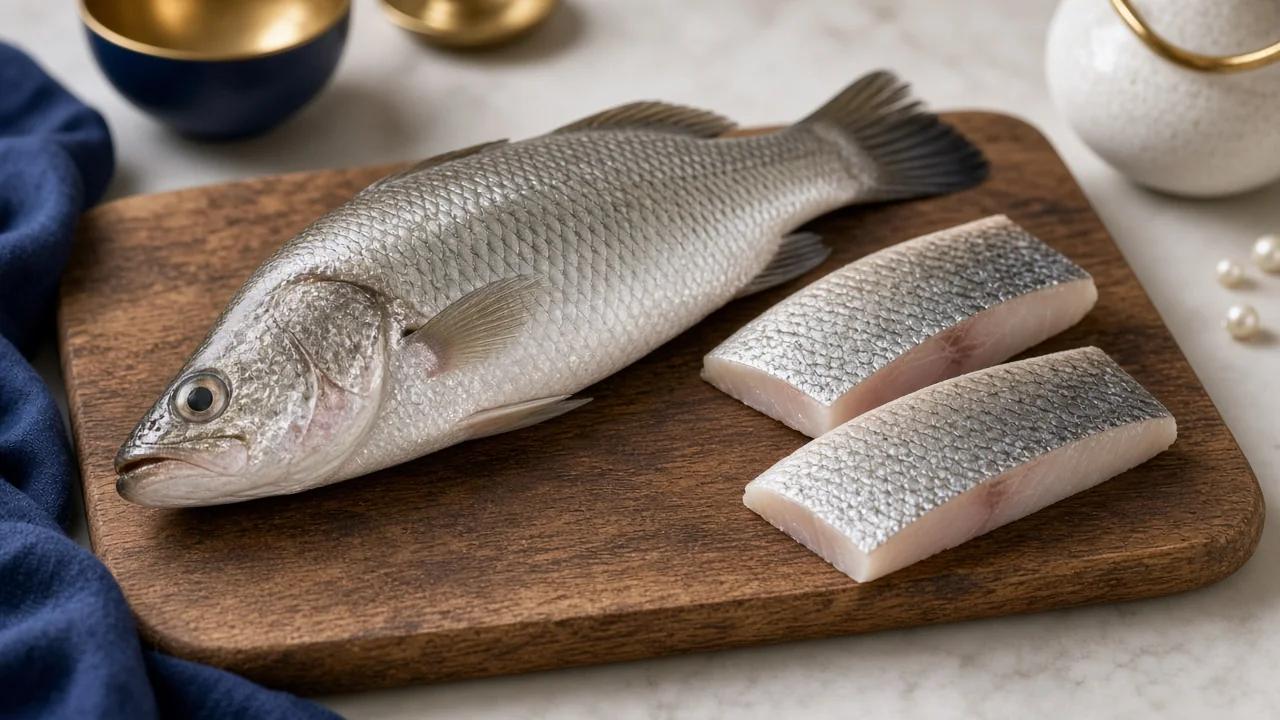
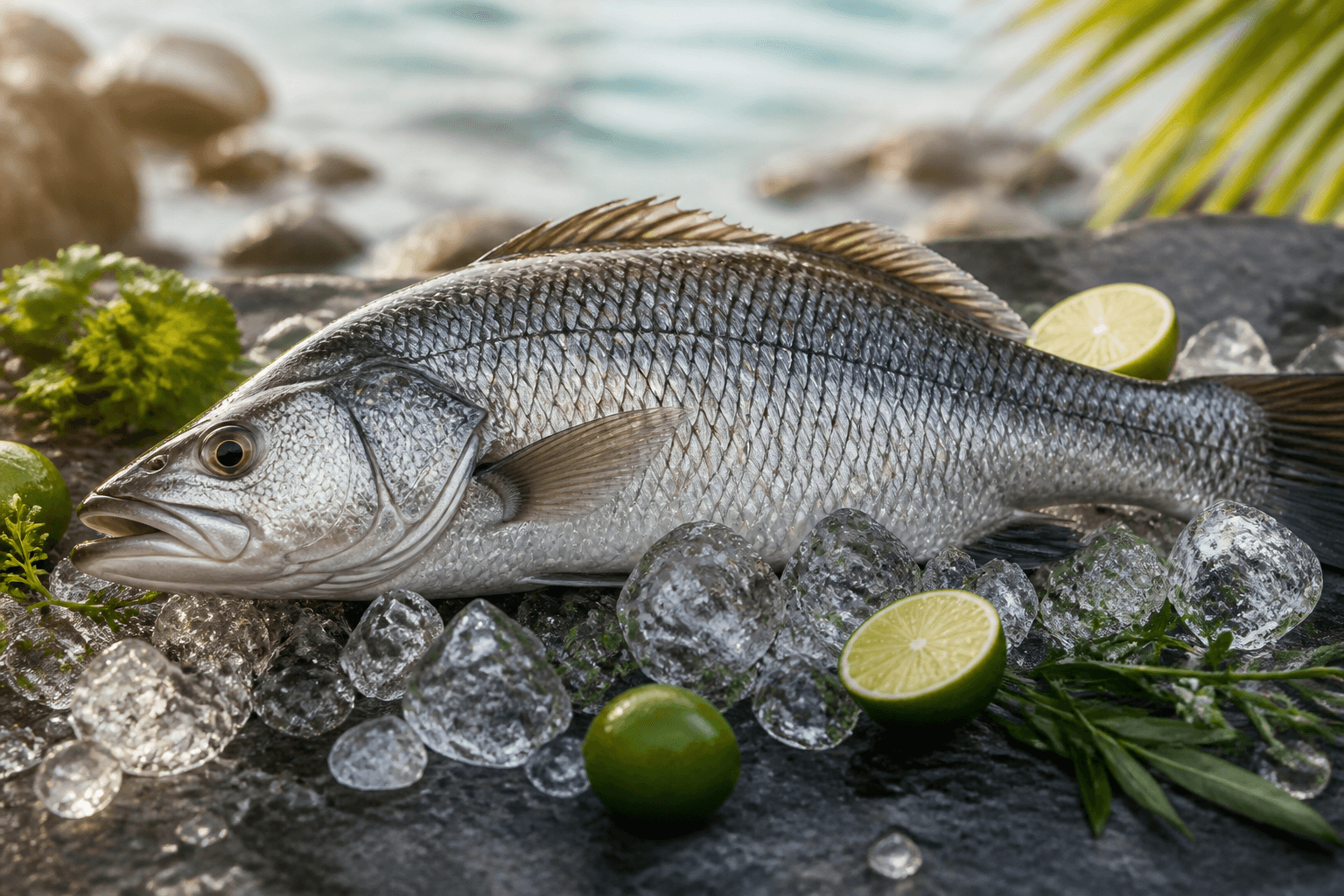
Barramundi is a large Indo-Pacific fish, also called Asian sea bass, with mild, buttery, white flesh and skin that crisps beautifully in the pan.
mild, clean and buttery · Widely available year-round via aquaculture; wild catch varies by region. · Asian sea bass, giant sea perch, pla kapong (Thailand)
Ask the Fish Guide about barramundi — grounded in this species hub.
Scientific name
*Lates calcarifer* (FishBase)
Also called
Asian sea bass, giant sea perch, pla kapong (Thailand)
Range
Indo-West Pacific, from the Persian Gulf to China and southern Japan, south to Papua New Guinea and northern Australia (FishBase)
Size
up to 200 cm and 60 kg; can live 35 years (FishBase)
الطعم
mild, clean and buttery
الموسم
Widely available year-round via aquaculture; wild catch varies by region.
الموطن
Asian sea bass, giant sea perch, pla kapong (Thailand)
Recipes
Step-by-step methods from our recipe pages — same hero photos you will see on each dish.
Thai · Medium
A whole fish steamed until tender, then flooded with searing lime–chilli–garlic sauce — Bangkok’s cleanest seafood thrill.
Barramundi is a large Indo-Pacific fish, also called Asian sea bass, with mild, buttery, white flesh and skin that crisps beautifully in the pan.
Buying links may earn a commission. Restaurant listings are editorial — not paid placements in this block.
Tips
Best methods: Whole roast/grill, Pan sear fillets, Steam with aromatics, Curry.
Catch & season
Species guide
Barramundi is a large Indo-Pacific fish, also called Asian sea bass, with mild, buttery, white flesh and skin that crisps beautifully in the pan. It's iconic in Australia and widely eaten across Southeast Asia, where it's steamed with lime, chilli and garlic. This guide covers what barramundi is, how it tastes and how to cook it. It's part of our Fish & Seafood Guide.
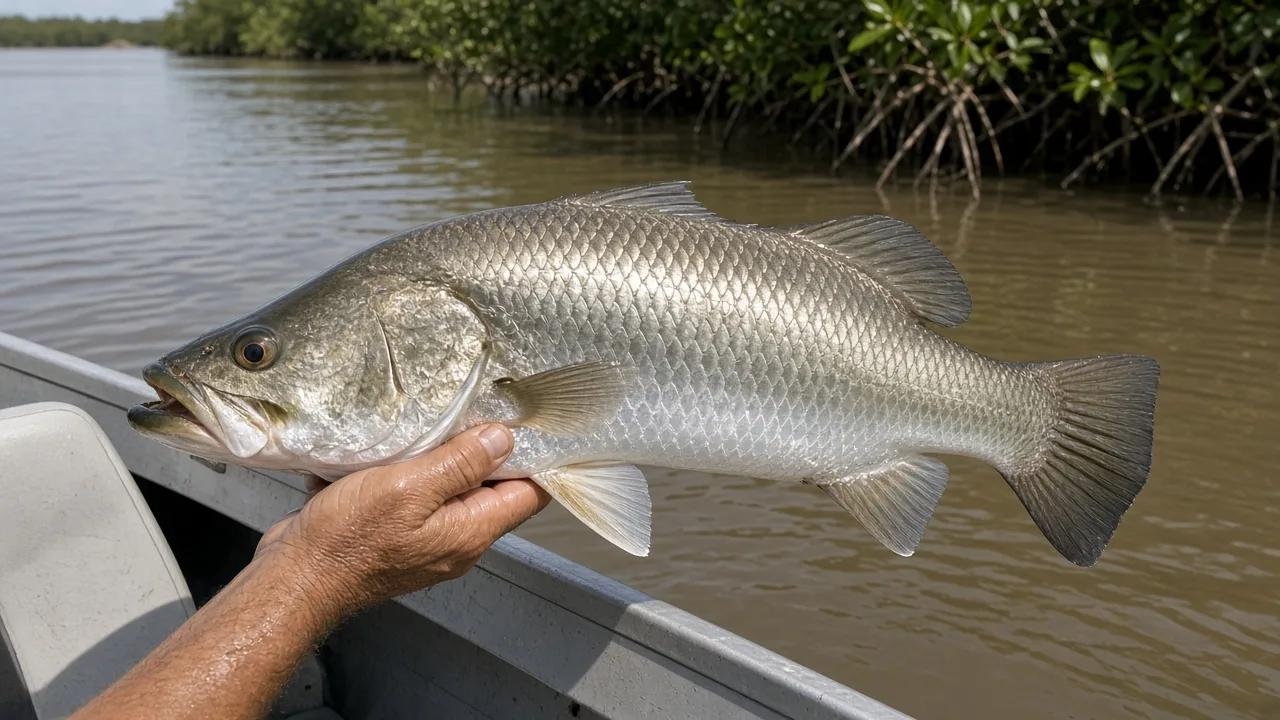
What is barramundi? Barramundi (*Lates calcarifer*) is a predatory fish of coastal waters, estuaries and lagoons. FishBase describes it as diadromous: it lives in rivers, then returns to estuaries to spawn. Larvae and young juveniles live in brackish temporary swamps.
It's also a protandrous hermaphrodite (FishBase): barramundi start life as males and many later become females. Barramundi is both wild-caught and widely farmed in Australia and Asia.
Barramundi has a mild, clean, slightly sweet and buttery flavour with moist, firm, large white flakes. Farmed barramundi can sometimes pick up an earthy, "muddy" taint from geosmin, a compound made by algae and bacteria in ponds. Research by Queensland's Department of Agriculture and Fisheries looked at ways to prevent it, such as holding fish in clean water before harvest. Its skin crisps well, making it ideal for pan-frying.
| Fish | Flavour | Texture |
|---|---|---|
| Barramundi | Mild, buttery | Firm, moist flakes |
| Branzino | Mild, delicate | Tender |
| Tilapia | Very mild | Soft, flaky |
| Grouper | Mild, sweet | Very firm |
Barramundi sustainability depends on how it's farmed. Seafood Watch (Monterey Bay Aquarium, February 2024 recommendation list) rates:
Look for these production methods on the label, or eco-certifications such as ASC, and ask your fishmonger about the origin.
Barramundi isn't on the FDA's "Advice about Eating Fish" chart, so there's no official FDA category for it. If you're pregnant or feeding young children, the FDA chart's Best Choice fish (such as salmon, cod and tilapia) have the clearest guidance.
Barramundi (*Lates calcarifer*) belongs to the family Latidae. FishBase classes it as catadromous: it lives in fresh and brackish water and moves to estuaries to spawn. It's found from the Persian Gulf to China, southern Japan, Papua New Guinea and northern Australia, at temperatures of about 15 to 28°C. Fish of 150 cm are common, and the largest reach 200 cm and 60 kg.
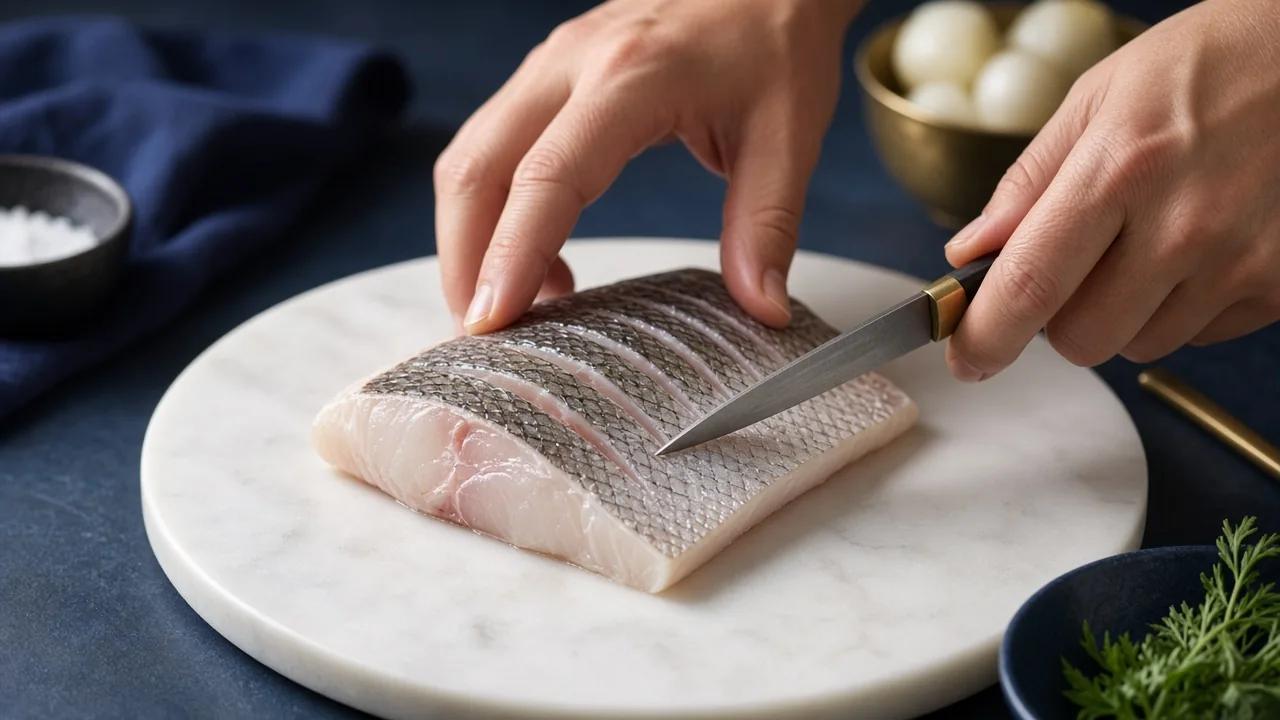
Barramundi is sold as whole fish, skin-on fillets and portions, often frozen. Keep fresh fish cold and cook within 1 to 2 days, and thaw frozen fillets overnight in the fridge.
Much barramundi is sold frozen. The FDA recommends thawing seafood in the fridge overnight. If you need it faster, seal it in a plastic bag and submerge it in cold water, or use the microwave's defrost setting if you'll cook it straight away. Stop defrosting while the fish is still icy but pliable.
Cook until opaque and flaky, at 145°F (63°C) (FDA).
| Method | Approximate time | Doneness check |
|---|---|---|
| Pan-fried fillet, skin side down | 4–5 min + 1–2 min on the flesh side | Opaque and flakes |
| Baked fillet at 400°F (200°C) | 12–15 min | 145°F (63°C) |
| Whole fish, steamed | 12–18 min, depending on size | Flesh lifts from the bone |
| Grilled fillet | 3–4 min per side | Opaque and flakes |
Times are guides only. Always check that fish reaches 145°F, or is no longer translucent and separates easily with a fork (FoodSafety.gov).
As a main course, allow one skin-on fillet per person, or one small whole fish for every one or two people. Keep extra portions frozen, wrapped tightly, and thaw them in the fridge overnight (FDA).
Barramundi is on menus across Australia and Southeast Asia. See the Sydney seafood guide, the Singapore seafood guide and grilled fish restaurants.
There's no USDA nutrition entry for barramundi, so we don't publish exact values here. Like other lean white fish, it's a good source of protein.
What is barramundi? An Indo-West Pacific fish (*Lates calcarifer*), also called Asian sea bass, with mild, buttery white flesh (FishBase).
What type of fish is barramundi? A catadromous fish in the family Latidae. It lives in rivers and estuaries and spawns in estuaries (FishBase).
What does barramundi taste like? Mild, clean and buttery, with firm, moist flakes.
How do you cook barramundi? Pan-fry it skin side down for crisp skin, steam it whole Thai style, grill it, or bake it at 400°F for 12 to 15 minutes.
Is barramundi healthy? It's a lean, high-protein white fish.
Is barramundi high in mercury? It isn't on the FDA's fish chart. If you need clear guidance, choose FDA Best Choice fish.
Is barramundi sustainable? Seafood Watch rates barramundi farmed in recirculating tanks with wastewater treatment a Best Choice, and Vietnamese net-pen barramundi a Good Alternative.
Why does barramundi sometimes taste muddy? Geosmin from algae and bacteria in farm water can taint the fish. Good farms purge fish in clean water before harvest (Queensland DAF research).
An Indo-West Pacific fish (
A catadromous fish in the family Latidae. It lives in rivers and estuaries and spawns in estuaries (FishBase).
Mild, clean and buttery, with firm, moist flakes.
Pan-fry it skin side down for crisp skin, steam it whole Thai style, grill it, or bake it at 400°F for 12 to 15 minutes.
It's a lean, high-protein white fish.
It isn't on the FDA's fish chart. If you need clear guidance, choose FDA Best Choice fish.
Seafood Watch rates barramundi farmed in recirculating tanks with wastewater treatment a Best Choice, and Vietnamese net-pen barramundi a Good Alternative.
Geosmin from algae and bacteria in farm water can taint the fish. Good farms purge fish in clean water before harvest (Queensland DAF research).
Cookies. Essential cookies always run. Analytics and ads need your choice — manage or accept below. Essential cookies run the site. Google Analytics runs by default outside the UK, EEA and Switzerland, and only after you accept it there. Opt out any time in Cookie settings. Ads (Meta, Pinterest) load only with your permission. · Privacy