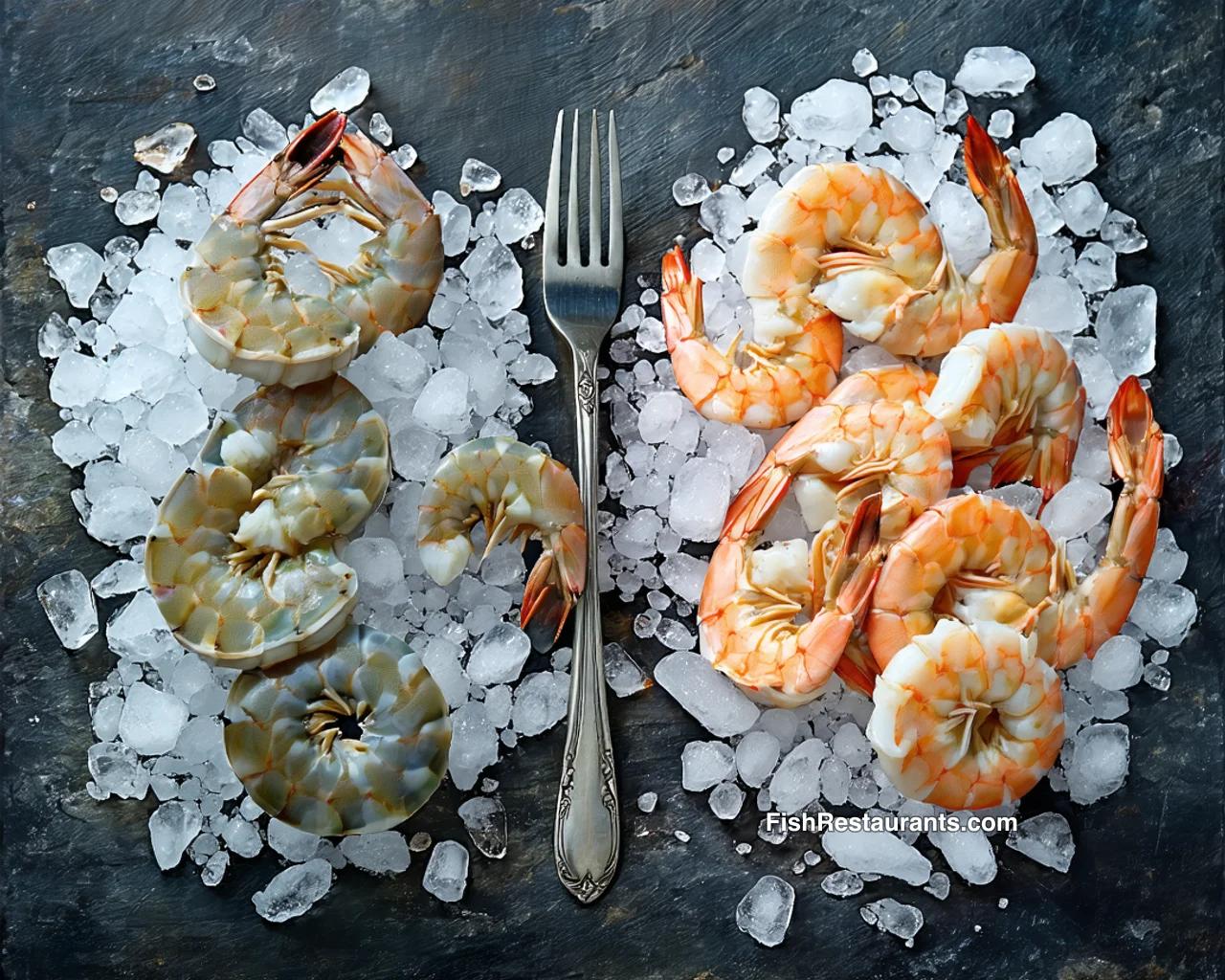
Raw shrimp look gray-green because astaxanthin pigment is bound to proteins. Heat unwraps that pigment—pink is chemistry, not a mystery doneness fairy.
Kids notice the color flip in boiling water before you explain it. Prawns and shrimp come in species with hue variations; the mechanism is shared.
Pigment in the shell and flesh
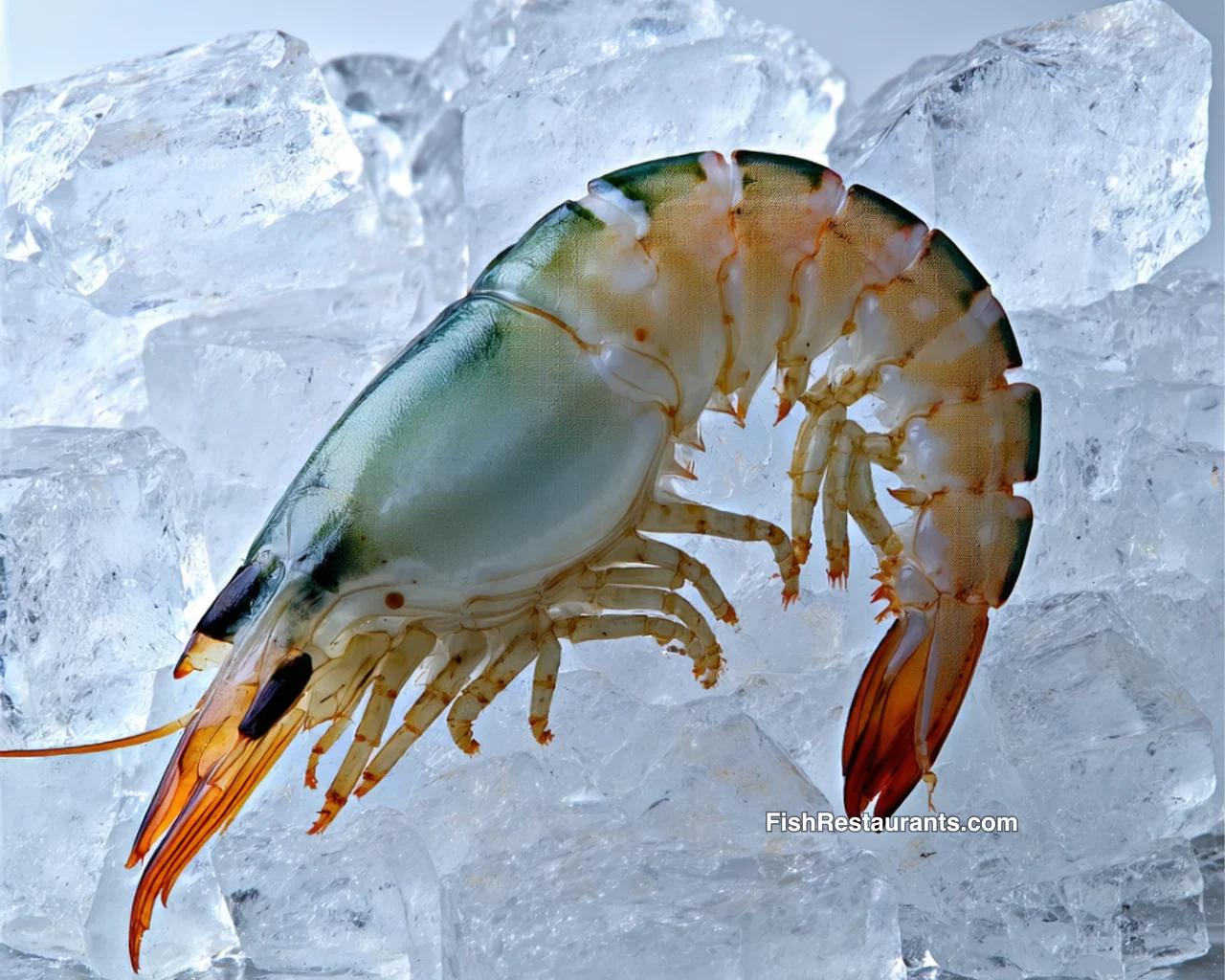
Astaxanthin, a carotenoid shrimp eat via algae and feed, hides while bound to crustacyanin protein complexes. Denaturation near 60 °C exposes the red-orange color.
Pink can appear in shell before flesh is done—use shape and opacity together.
Doneness cues beyond color
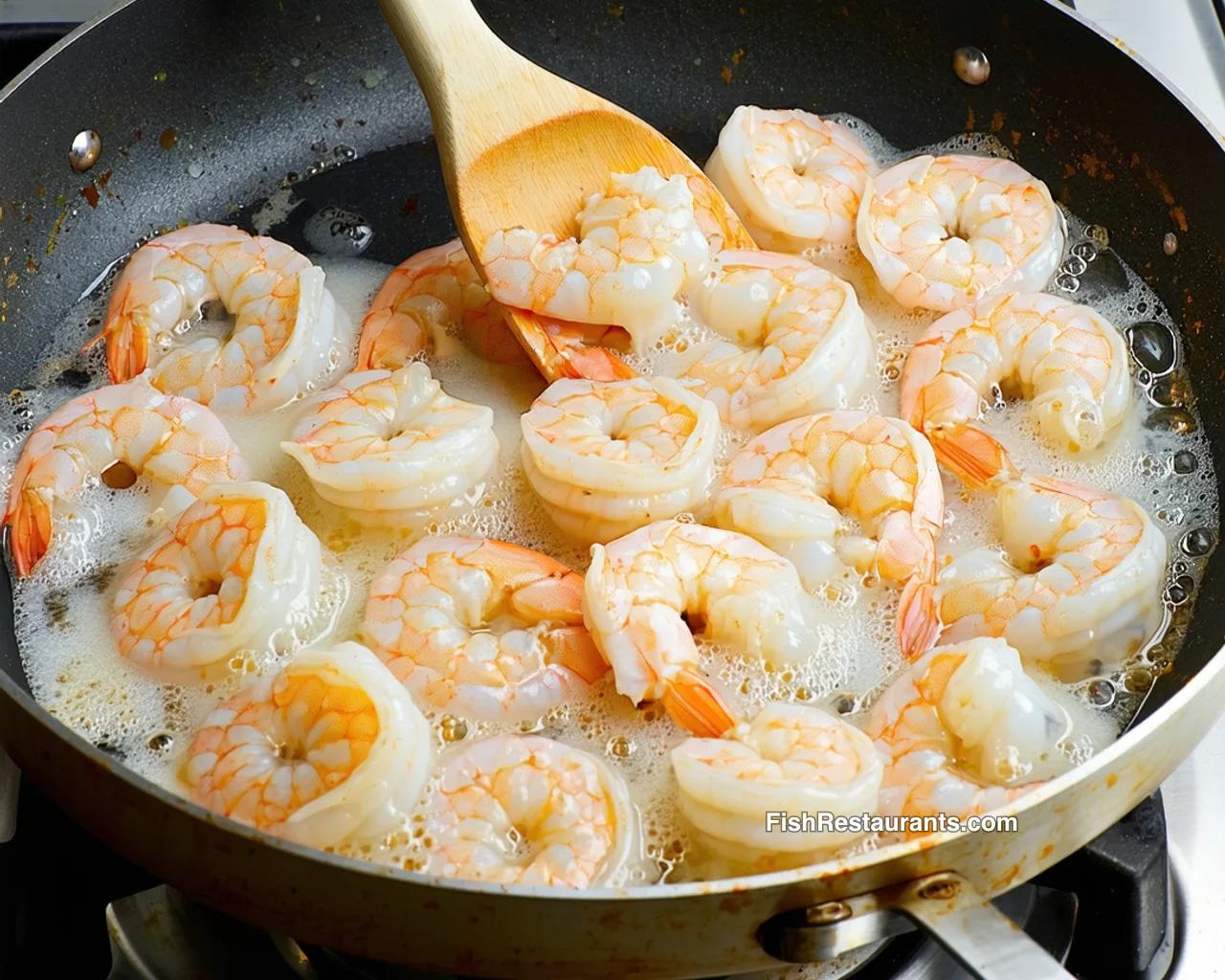
C-shape curve suggests ideal snap; tight O-shape means overcooked.
Flesh should be opaque to the center; translucent gray core needs more time.
| Stage | Look | Texture |
|---|---|---|
| Raw | Gray, translucent | Soft, snappy potential |
| Just pink | Coral edges, opaque 80% | Juicy |
| Uniform pink | Fully opaque | Plump |
| Overdone pink | Shrunk, tight curl | Rubber |
Gray shrimp that never pink?
Some species stay paler; spoiled shrimp smell first, not color alone.
Sodium bisulfite treatments on commmodity shrimp affect hue—buy from reputable counters.
Cooking methods and color speed
Boiling shows pink fastest at surface contact. Sauté colors unevenly until toss. Grill may char before center sets—lower heat after marks.
Chlorine smell at grocers
Retail shrimp sometimes smell like dilute bleach from processing water—not the same as spoilage. Rinse and pat dry; if odor persists, return.
Teaching kids science
Boil one shrimp alongside a raw one on a fork for comparison—visual learning sticks better than timing charts alone.
FAQ
Is pink shell on raw shrimp OK?
Often freezer burn or melanosis—smell meat.
Red Argentine shrimp raw color?
Already reddish species—still cook for safety.
Blue shrimp?
Rare varieties exist; doneness still opacity-based.
Astaxanthin in farm feed?
Explains farmed color consistency.
Shrimp buying guide?
See counts and labels on prawns and shrimp.