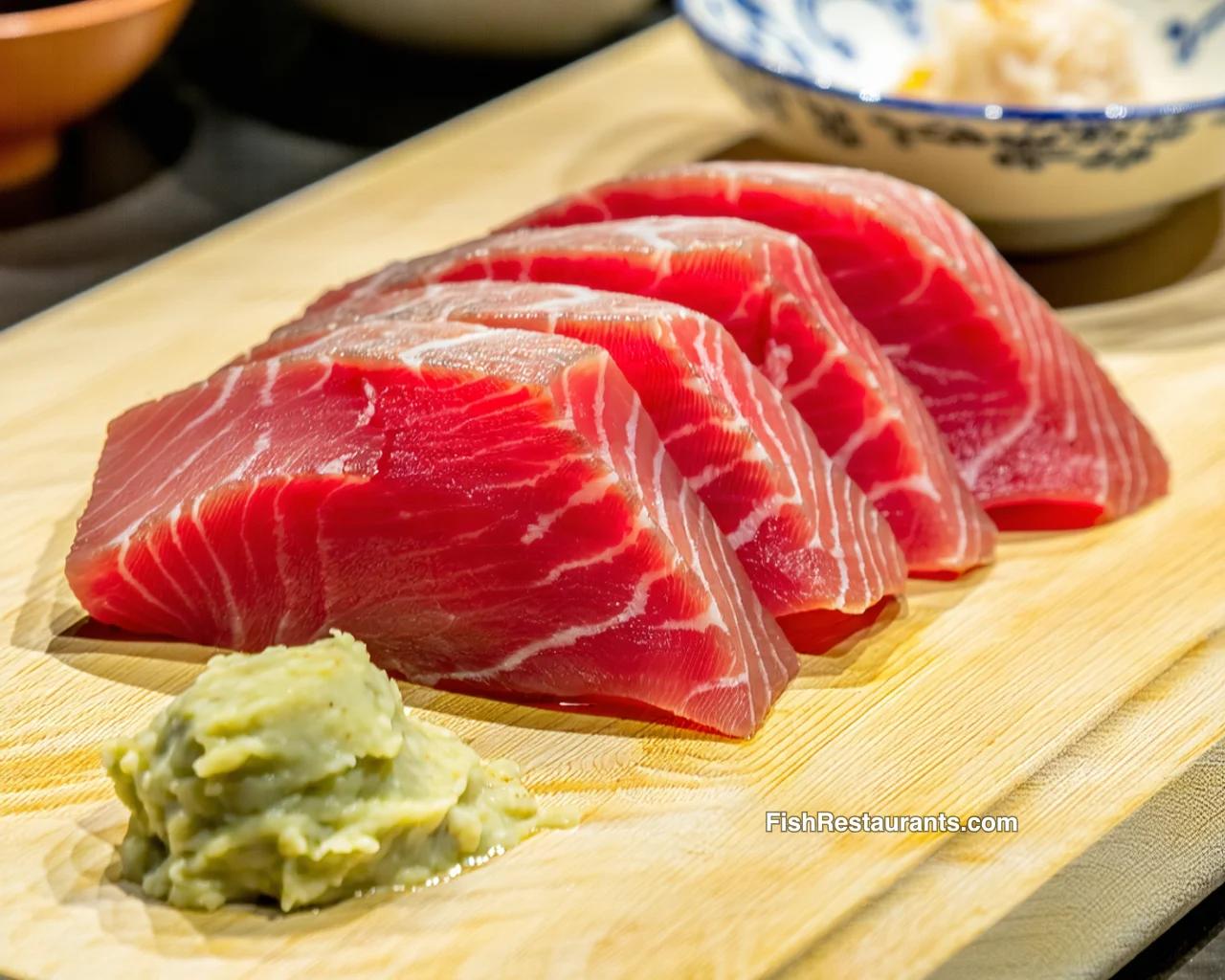
“Sushi-grade” is a sales phrase, not an FDA stamp on a sticker. Freezing rules and supplier paperwork are what actually reduce parasite risk on raw fish.
American counters use “sashimi-grade” to signal freezing protocols—not a government grade like USDA beef. Tuna and yellowtail hiramasa handling nuances sit on those hubs; regulation summary is here.
What FDA guidance expects
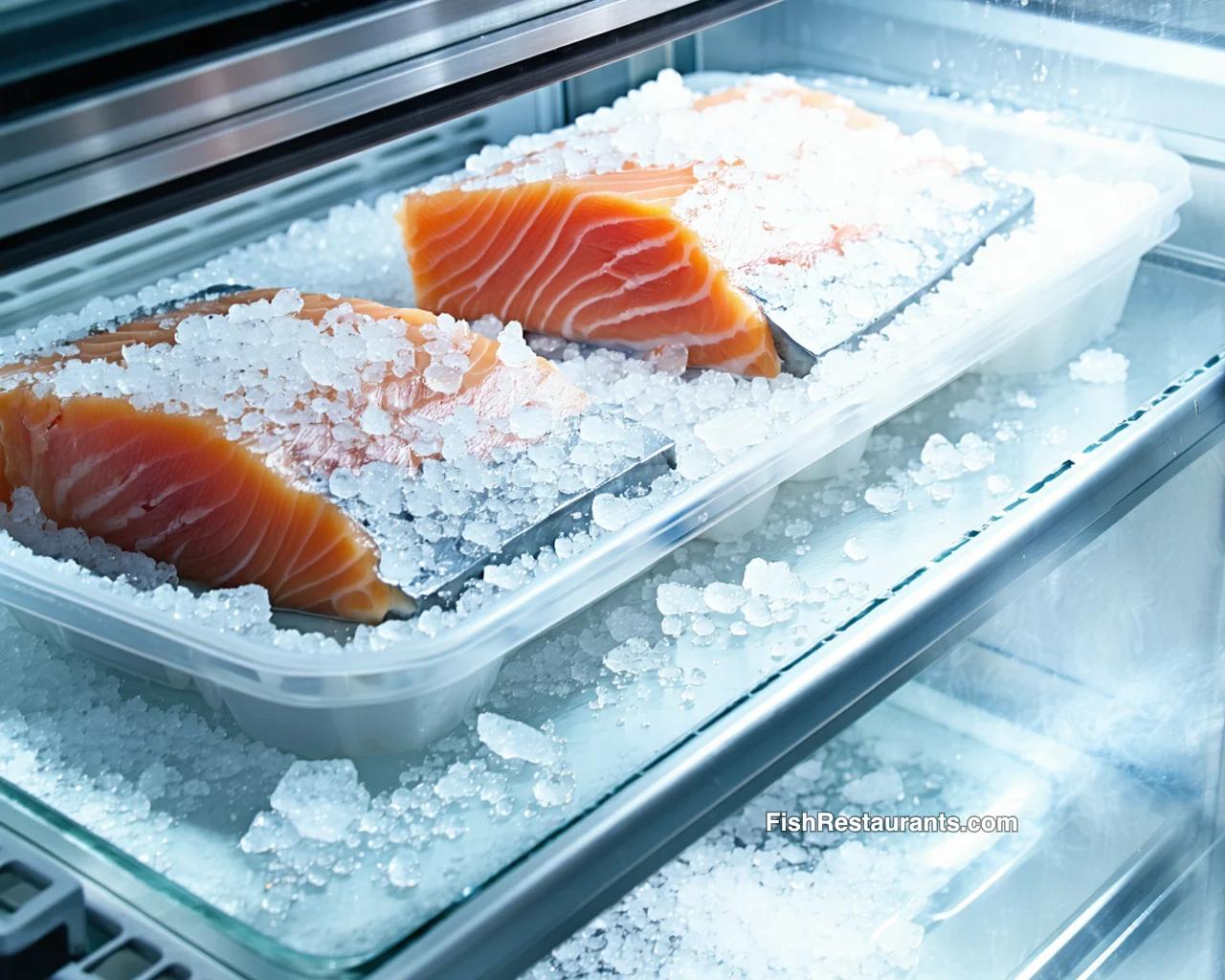
The FDA Fish and Fishery Products Hazards guide describes freezing times and temperatures to destroy parasites in fish intended for raw consumption, unless the species is exempt (some tuna species are often cited as lower parasite risk—still ask your seller).
Commercial suppliers document freezer logs. Retail must source from compliant chains; home freezers do not automatically qualify.
| Concept | Reality at retail |
|---|---|
| “Sushi-grade” label | Marketing + seller trust |
| FDA-grade seal | Not on fish packaging |
| Parasite rule | Freezing history by supplier |
| State inspection | Varies; ask fishmonger |
Questions for your fishmonger
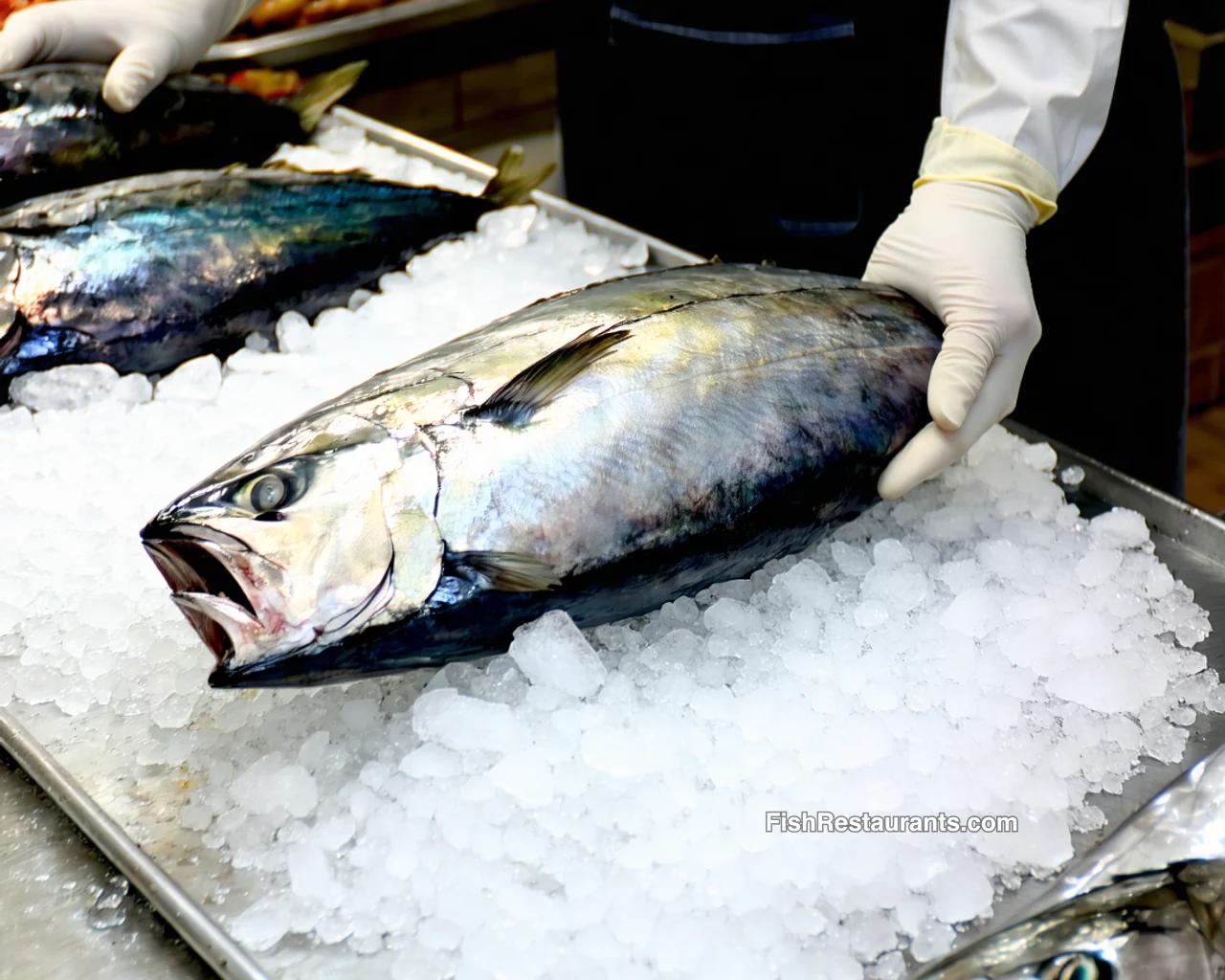
- Was this fish frozen to parasite destruction if species requires it?
- Which species exactly—yellowtail can mean several fish?
- How long has thawed sashimi portion been in the case?
- Separate cutting board from cooked items?
Home service limits
Do not assume your −18 °C drawer meets commercial blast standards. Buy portions intended for raw same day.
Keep raw fish 4 °C or colder until serving. Slice with clean knives; serve immediately.
Tuna and yellowtail specifics
Certain tuna species appear on exemption discussions because of lifecycle—mongers still train on sourcing. Farmed salmon has parallel rules in many markets.
Yellowtail hiramasa (Seriola) is popular for sashimi; name the species on invoice, not only “yellowtail.”
When to avoid raw
High-risk diners should follow physician guidance. Pregnancy, immunocompromise, and some medications change the math.
Yellowtail naming
Menus say hamachi, hiramasa, or yellowtail interchangeably. Confirm Seriola species with the seller before trusting a sushi label.
The yellowtail hiramasa guide maps Japanese and Australian market names without repeating here.
Cross-contamination at home
Wash boards after slicing raw fish; one nick with a contaminated knife spreads risk to salads prepared next.
FAQ
Is supermarket tuna OK raw?
Only if sold explicitly for sashimi with documented freeze chain—not all tuna blocks qualify.
Farmed salmon raw?
Often frozen per protocol; confirm with seller.
Salting or citrus “cook” fish?
Acid curing (ceviche) is not the same as FDA parasite destruction freezing.
IQF shrimp sashimi?
No—cooked preparations only for typical retail shrimp.
More on tuna types?
Read species and mercury notes on the tuna guide.
At a serious omakase counter, neta (the fish) and shari (the rice) should be balanced — ask what landed that morning before you fixate on tuna alone.