American · Easy
Air Fryer Tilapia
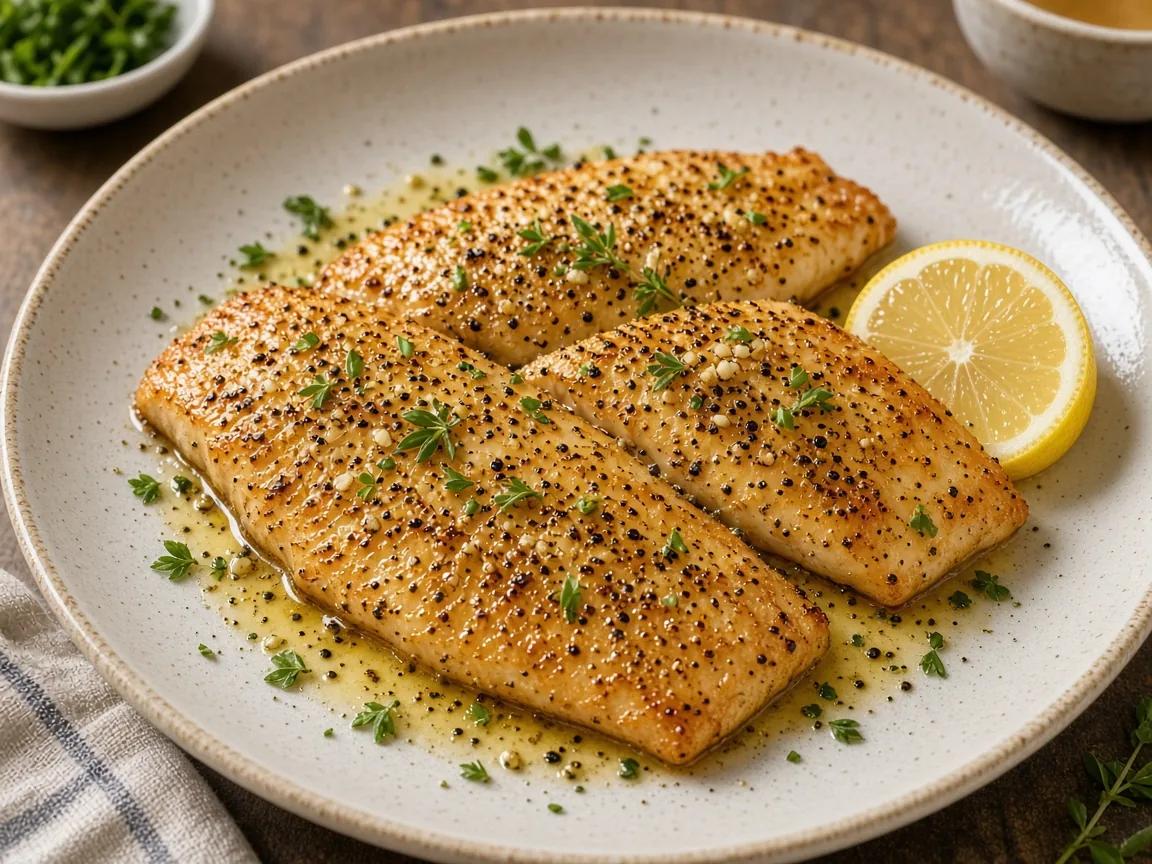
Air fryer tilapia is even faster than salmon or cod because the fillets are thin. A 390°F / 200°C basket and a light oil coat are enough; a heavy breading is optional.
tilapia guide
several, including Nile, blue and Mozambique tilapia and farmed hybrids such as red tilapia
Tilapia is a mild, white-fleshed freshwater fish, and it is one of the most popular farmed fish in the world because it is affordable, easy to cook and loved by people who don't like a strong "fishy" taste.
very mild and slightly sweet; tender, medium flakes · tilapia (US and UK); izumidai when served as sushi (Seafood Watch)
 Info
Is it a real fish? Species, taste and nutrition.
Open →Cook6 recipes: air fryer, baked, blackened, tacos.
Open →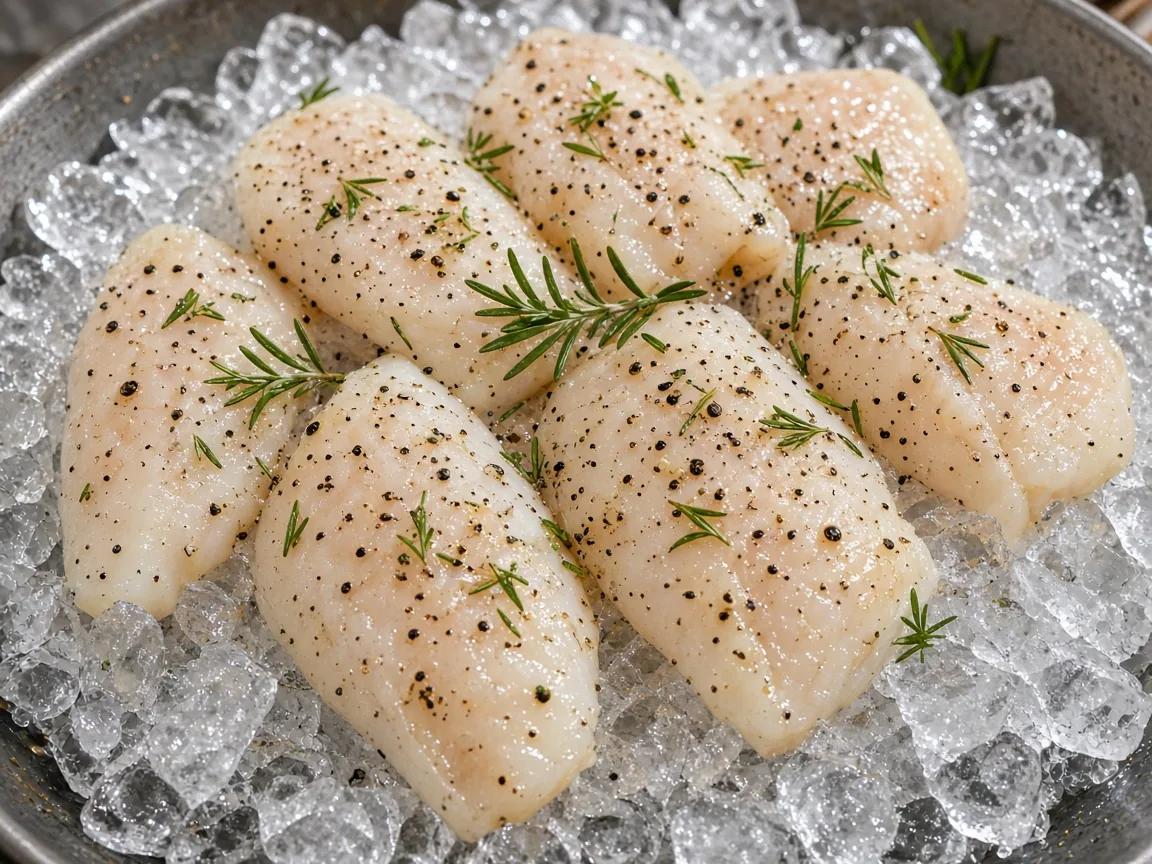 Buy
Best origins and labels, fresh vs frozen, markets near you.
Open →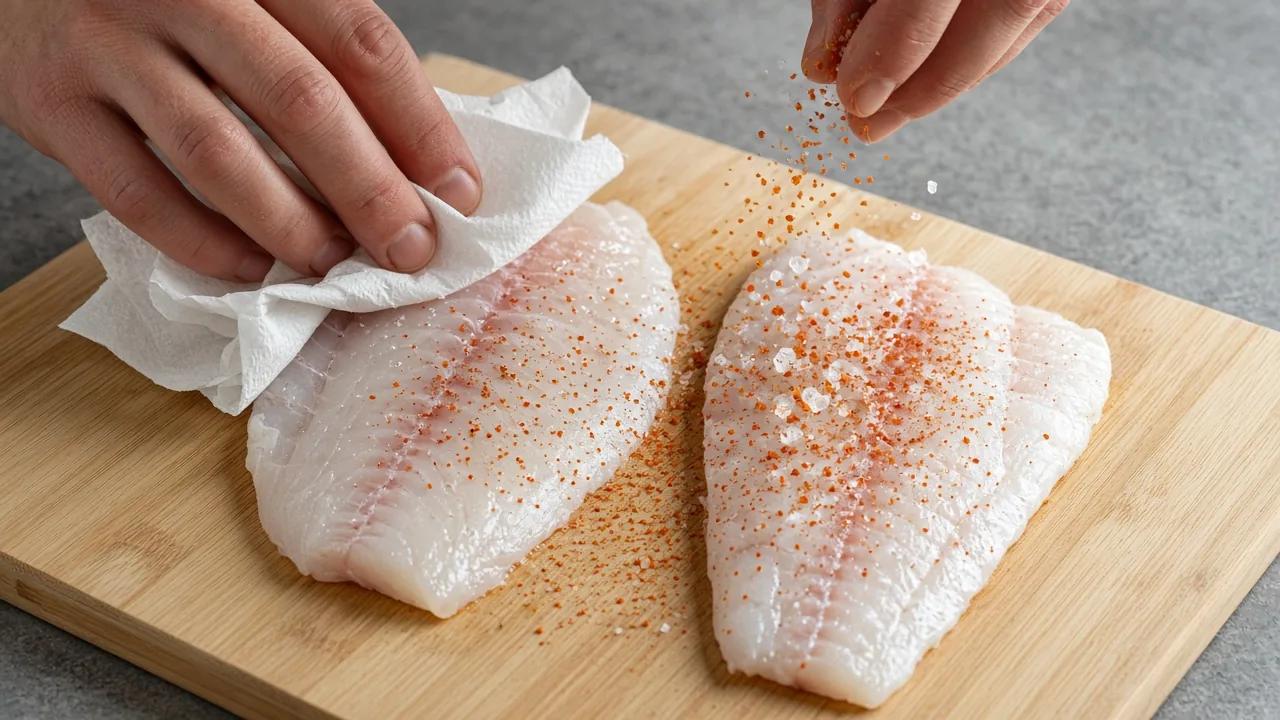 Tips
Dry it, season boldly, flip once.
Open →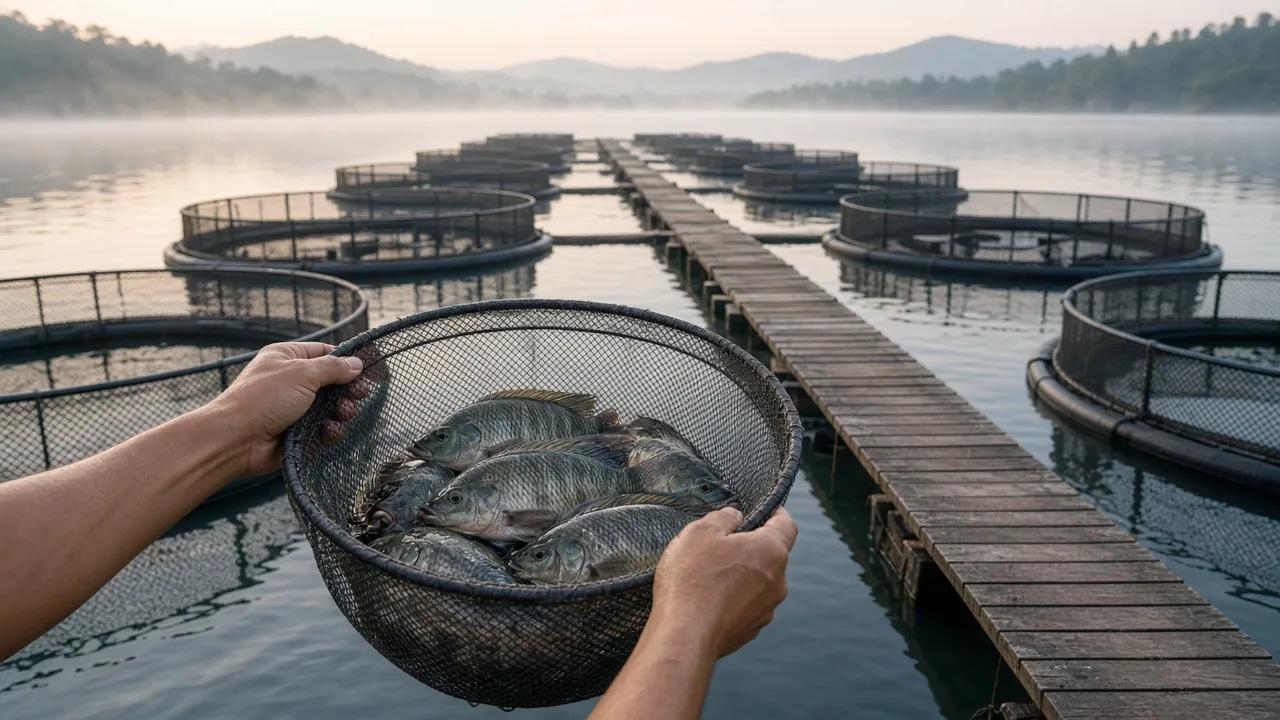 Catch
Ponds, net pens and tanks; what Seafood Watch says.
Open →Ask the Fish Guide about tilapia — grounded in this species hub.
Also called
tilapia (US and UK); izumidai when served as sushi (Seafood Watch)
Species
several, including Nile, blue and Mozambique tilapia and farmed hybrids such as red tilapia
Taste
very mild and slightly sweet; tender, medium flakes
Where it comes from
virtually all tilapia is farmed, and in the US it is imported (Seafood Watch)
Goût
very mild and slightly sweet; tender, medium flakes
Habitat
tilapia (US and UK); izumidai when served as sushi (Seafood Watch)
Recipes
Step-by-step methods from our recipe pages — same hero photos you will see on each dish.
American · Easy
Air fryer tilapia is even faster than salmon or cod because the fillets are thin. A 390°F / 200°C basket and a light oil coat are enough; a heavy breading is optional.
International · Medium
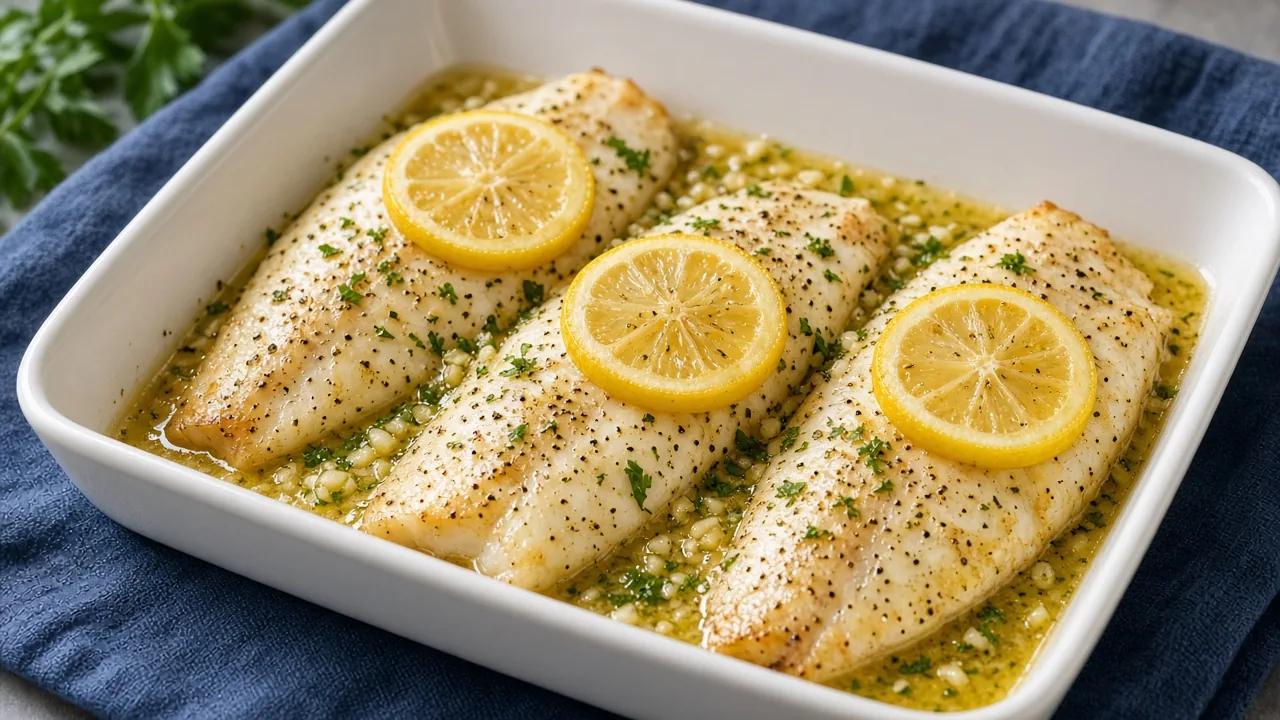
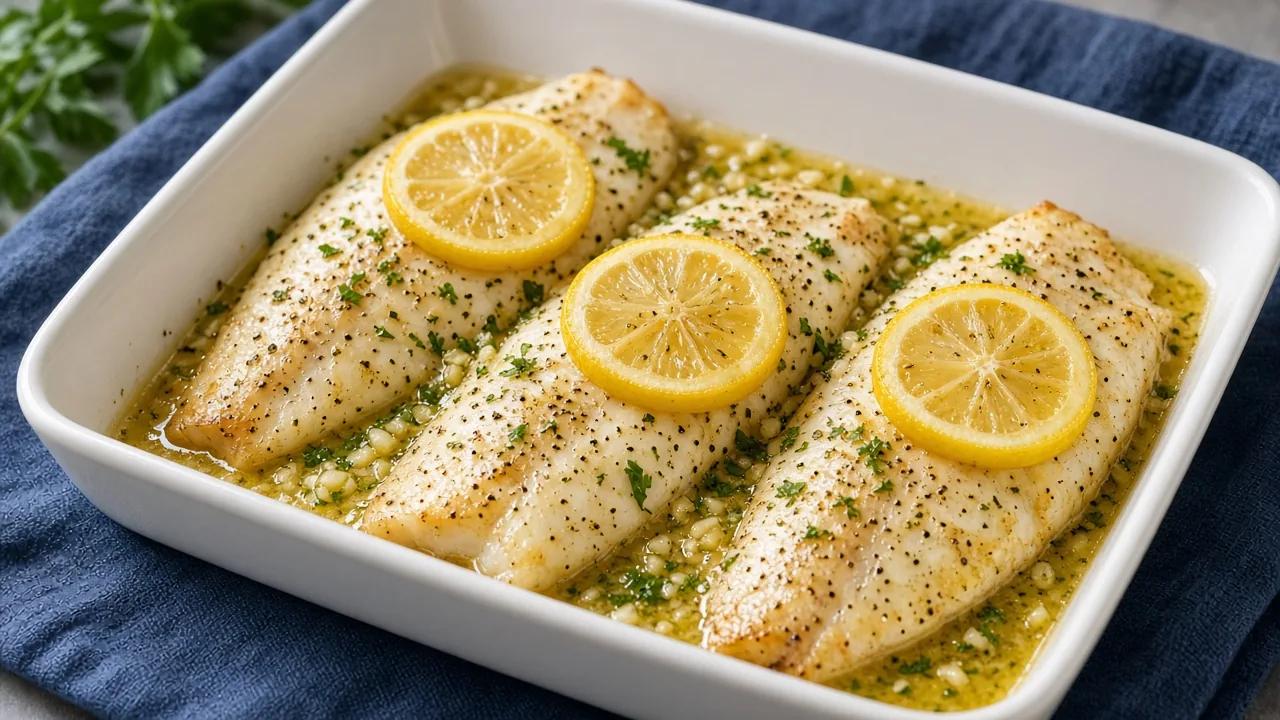
An easy weeknight bake: tilapia fillets with garlic butter, lemon and paprika. On the table in about 17 minutes.
Cajun / Creole · Medium
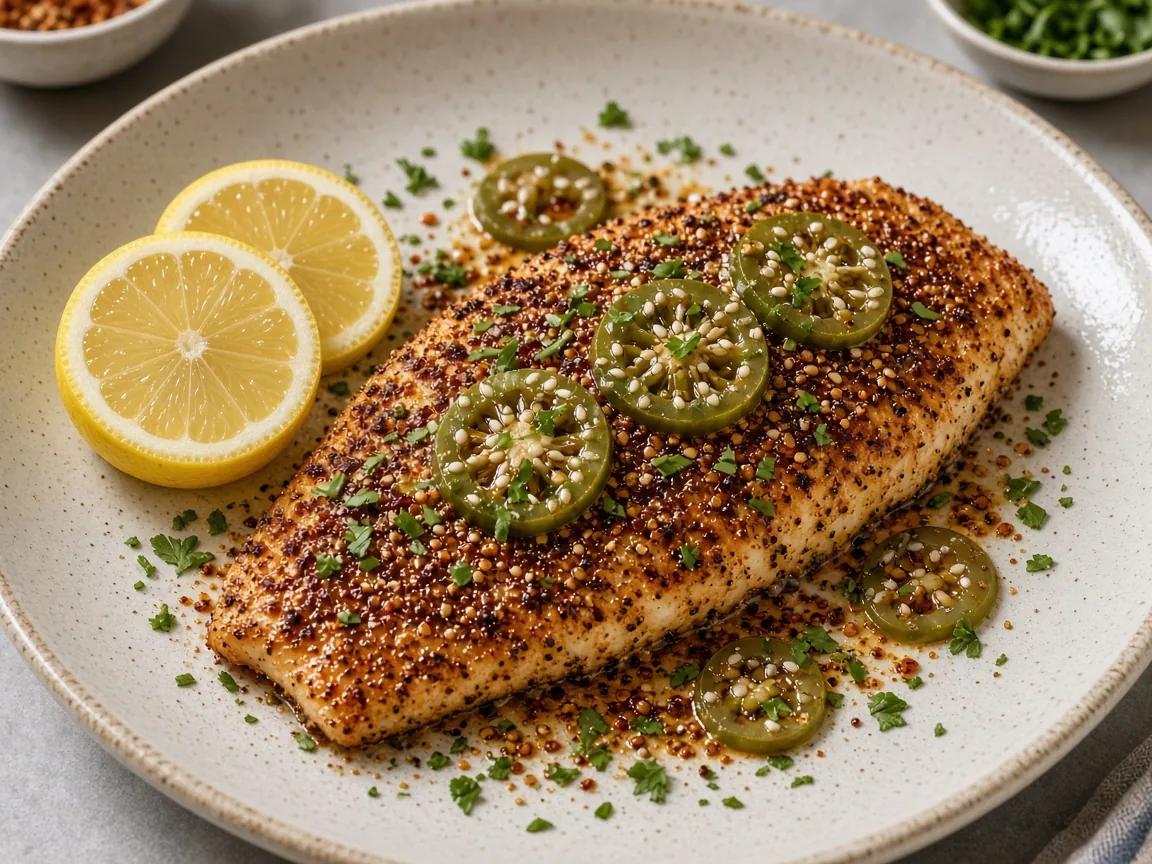
Blackened tilapia is about a dry spice crust and a skillet hot enough to darken it in minutes, not a long simmer in sauce. Open a window: this method smokes.
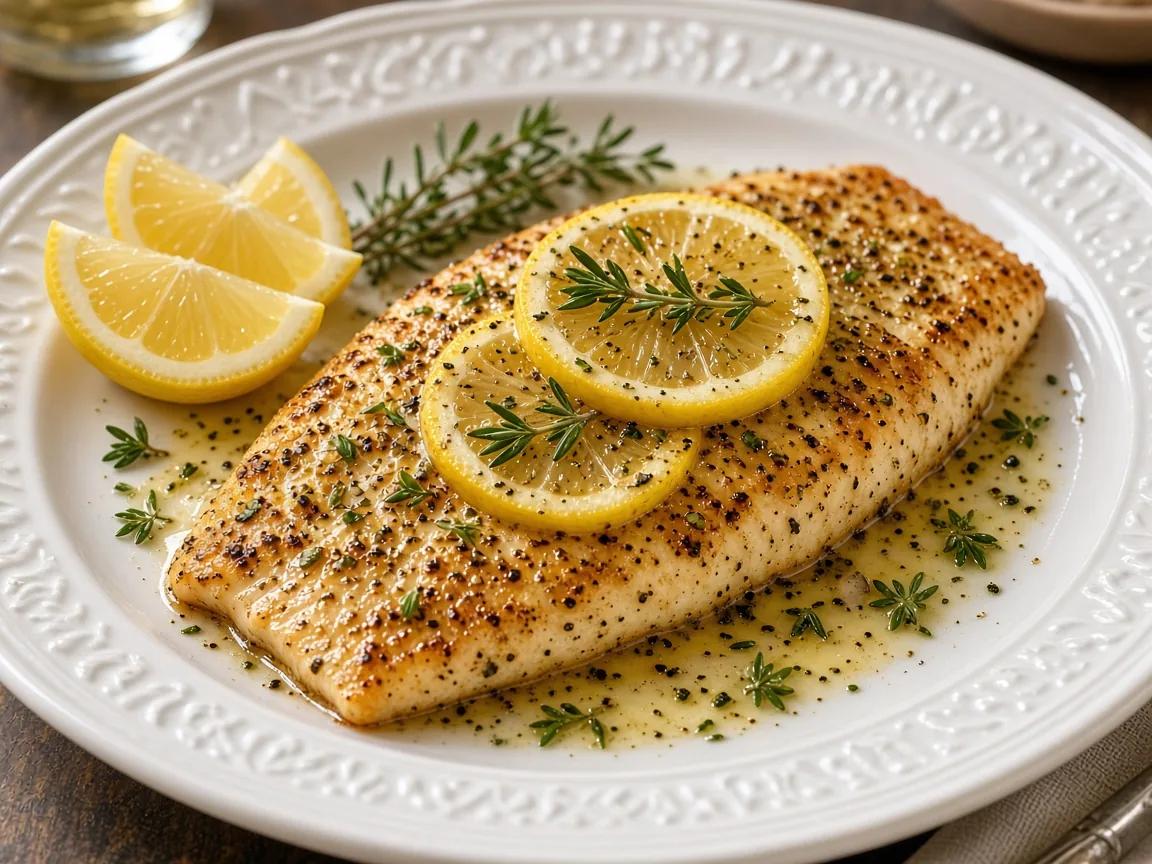
International · Easy
Tilapia fillets are thin and lean, so they cook in minutes. The main risk is dryness, not undercooking. Pick a hot, short method and have your sides ready first.
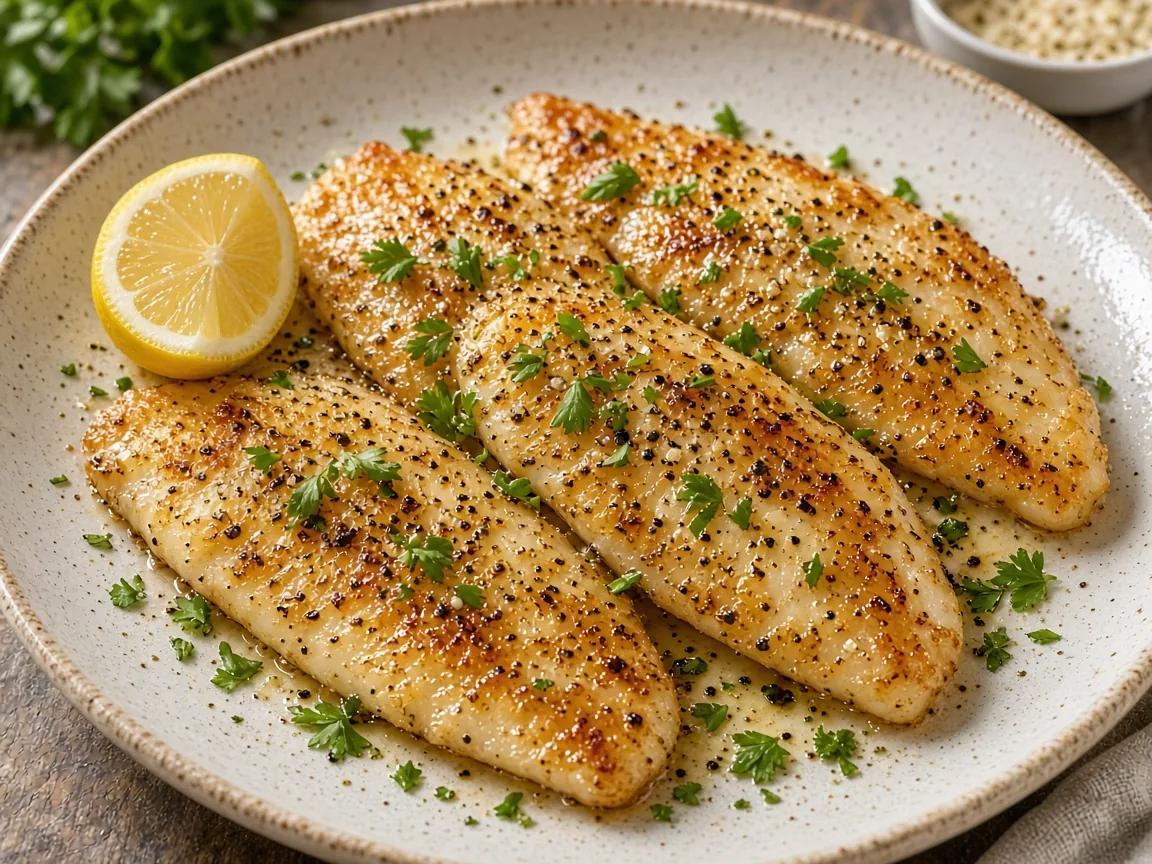
American · Easy
Pan-fried tilapia is a 15-minute dinner if the fillets are dry and the pan is hot. A light flour dredge gives colour without turning the fish into a thick fried coating.
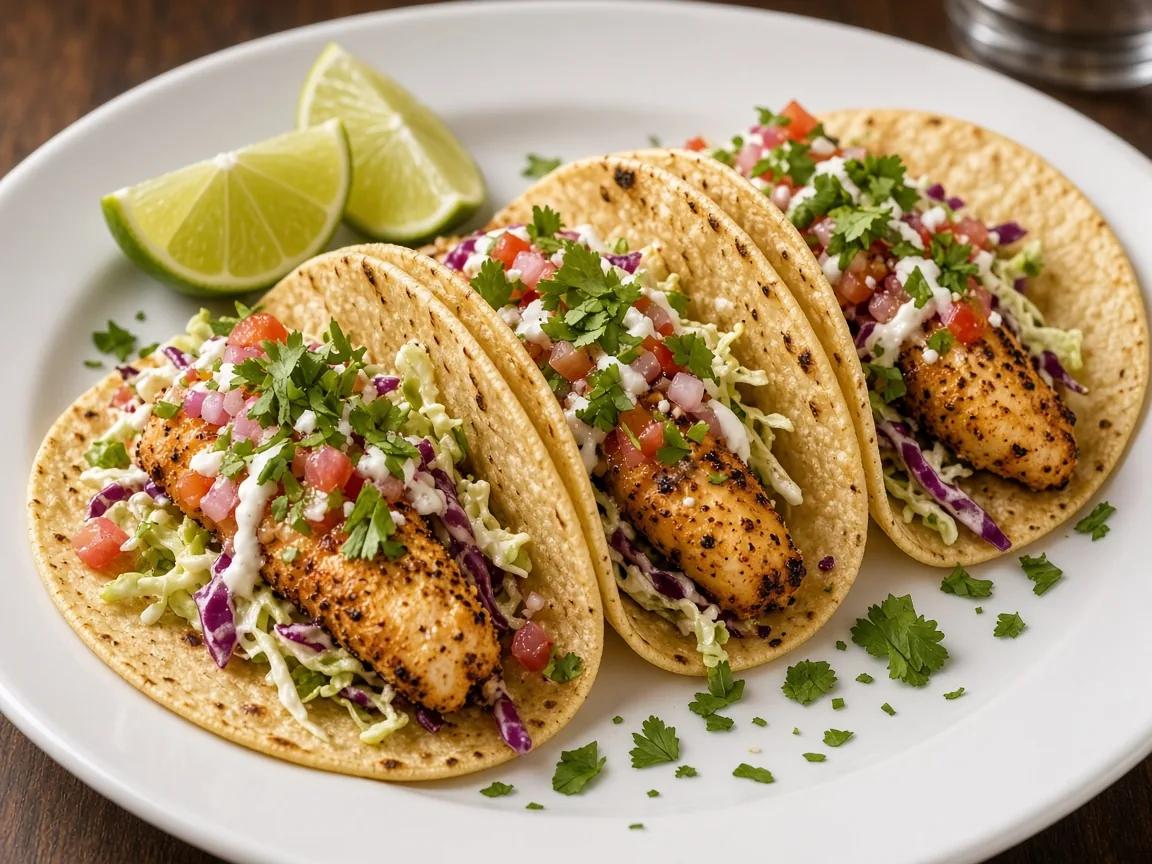
Mexican-inspired · Easy
Tilapia is a natural taco fish: it is mild, it cooks in minutes, and it flakes into warm tortillas without a fight. The lime slaw is what makes the taco, not a complicated marinade.
For cooking at home, see our fish taco seasoning.
Tilapia is a mild, white-fleshed freshwater fish, and it is one of the most popular farmed fish in the world because it is affordable, easy to cook and loved by people who don't like a strong "fishy" taste.
Buying links may earn a commission. Restaurant listings are editorial — not paid placements in this block.
Catch & season
Species guide
Tilapia is a mild, white-fleshed freshwater fish, and it is one of the most popular farmed fish in the world because it is affordable, easy to cook and loved by people who don't like a strong "fishy" taste. If you have ever asked "is tilapia good for you?" or even "is tilapia a real fish?", this guide answers both, and shows you how to buy responsibly farmed tilapia and cook it well.
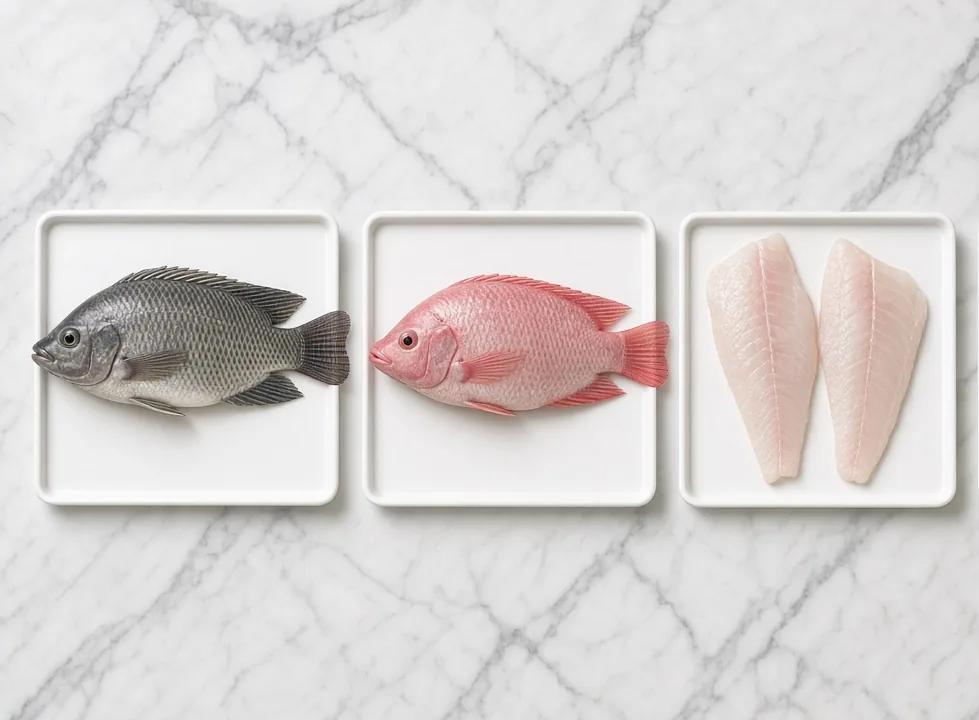
Is tilapia a real fish? Yes, absolutely. "Tilapia" is the common name for several species of freshwater fish. Seafood Watch rates blue, Nile, Mozambique, sabaki and wami tilapia, plus farmed hybrids such as hybrid red tilapia. Tilapia is not "man-made" or lab-grown, as some internet rumours claim. It is a real fish that happens to be very well suited to farming.
Tilapia has become one of the most popular white fish in the United States: on average, each American eats almost one pound of tilapia a year (Monterey Bay Aquarium). Virtually all of it is farmed, mostly in ponds or freshwater net pens, with a small amount raised in indoor tanks (Seafood Watch).
Tilapia tastes very mild and slightly sweet, with almost no fishy flavour. The flesh is white to pale pink when raw and turns bright white and opaque when cooked. Fillets are thin and tender with medium flakes.
Because it tastes so neutral, tilapia is a blank canvas. It takes on spices, marinades and sauces very well, so it is perfect for blackened fish, tacos, curries and lemon-garlic bakes. The taste can vary with farming conditions; well-farmed fish from clean water tastes clean and fresh.
| Fish | Flavour | Texture | Best for |
|---|---|---|---|
| Tilapia | Very mild, slightly sweet | Thin, tender fillets | Baking, blackening, tacos |
| Haddock | Mild, a little sweeter | Fine, tender flakes | Fish and chips, baking |
| Atlantic cod | Very mild, clean | Large, chunky flakes | Frying, roasting, stews |
| Barramundi | Mild, buttery | Firm, moist | Pan-frying skin-on |
Virtually all tilapia is farmed, and the tilapia sold in the US is imported (Seafood Watch). It is farmed in three main ways:
Because it is farmed, tilapia is available fresh and frozen all year round.
It depends on where and how it was farmed. Monterey Bay Aquarium's Seafood Watch tilapia buying guide says:
The easiest rule: check the country of origin on the pack, and look for an ASC, BAP or Naturland label. Seafood Watch notes that most global tilapia production is either red-rated or has not been assessed, so the label really matters.
Fresh fillets should be:
Frozen fillets should be:
Storing: keep fresh tilapia in the coldest part of the fridge and cook it within a day or two. Thaw frozen fillets overnight in the fridge, or in a sealed bag under cold running water for quicker thawing.
How to cook tilapia quickly and well:
It is done when the flesh is opaque and flakes easily with a fork. The safe minimum cooking temperature for fish is 145°F (63°C) (FoodSafety.gov).
How long to bake tilapia: at 400°F (200°C), thin fillets (about 1/2 inch or 1 cm thick) take 10 to 12 minutes. Thicker fillets may need up to 15 minutes. There is no need to flip them.
Simple method: lay the fillets in a greased dish, spoon over melted butter with garlic and lemon, add paprika, salt and pepper, and bake. Our baked lemon garlic tilapia is ready in about 17 minutes.
In sushi restaurants, tilapia is sometimes served raw under the name izumidai (Seafood Watch). If you see izumidai on a menu, the same buying advice applies: ask where it was farmed.
Yes, when you buy from a trusted source and cook it properly. The US FDA puts tilapia in its lowest-mercury "Best Choice" group. The main concerns raised by Seafood Watch, such as antibiotic use, are linked to particular farming countries, which is why choosing tilapia from recommended countries or with a certification label is the simplest way to buy with confidence. Cook it until the centre reaches 145°F (63°C) (FoodSafety.gov).
Tilapia fillets are thin and light, so plan on one fillet of about 5 to per adult for a main course. For tacos, one fillet usually fills two or three tortillas. If you are cooking whole fish, allow one small fish of around one portion per person.
More recipes that work well with tilapia:
Fried whole tilapia is a favourite in African, Caribbean and Asian restaurants, and fillets are often used in fish tacos. Find places near you via our fish tacos restaurants and African coastal fish restaurants. More places to try: Casablanca seafood guide.
Is tilapia good for you? Yes. It is lean, high in protein and low in mercury. According to USDA FoodData Central (fish, tilapia, raw; values per 100 g):
| Nutrient | Amount |
|---|---|
| Calories | 96 kcal |
| Protein | 20.1 g |
| Fat | 1.7 g |
| Cholesterol | 50 mg |
| Selenium | 41.8 µg |
| Vitamin B12 | 1.58 µg |
| Potassium | 302 mg |
| Phosphorus | 170 mg |
Is tilapia healthy compared with salmon? Tilapia is leaner and much lower in omega-3 fats than oily fish like salmon. It is still a good, light source of protein. For more omega-3, mix tilapia with oily fish in your weekly meals.
Mercury: the US FDA lists tilapia as a "Best Choice" in its advice about eating fish, meaning two to three servings a week are fine, including for people who are pregnant or breastfeeding.
Part of our Bass, bream & warm-water white fish guides in the fish and seafood guide hub.
Is tilapia good for you? Yes. It is lean, high in protein, and a good source of selenium and vitamin B12 (USDA FoodData Central). The FDA lists it as a Best Choice for low mercury.
Is tilapia a real fish? Yes. Tilapia is the name for several real freshwater fish species, such as Nile and blue tilapia. It is farmed, not man-made.
How do you cook tilapia? Bake it at 400°F (200°C), pan-fry it in butter, blacken it with spices, or air-fry it. It cooks in about 10 minutes.
How long do you bake tilapia? About 10 to 12 minutes at 400°F (200°C) for thin fillets, until opaque and flaky.
Is tilapia healthy? Yes, as part of a balanced diet. It is lower in omega-3 than salmon, so mix it with oily fish during the week.
Where does tilapia come from? Virtually all tilapia is farmed, and US tilapia is imported. Seafood Watch recommends tilapia from Colombia, Indonesia or Taiwan, or with an ASC, BAP or Naturland label.
What does tilapia taste like? Very mild and slightly sweet, with no strong fishy taste.
Should I buy tilapia from China? Seafood Watch recommends avoiding tilapia from China. Choose fish from Colombia, Indonesia or Taiwan, or with an ASC, BAP or Naturland label.
The cooking sections on this hub stay in place. These recipe pages go deeper on plated methods:
An existing recipe to keep and cross-link: baked lemon garlic tilapia.
Yes. It is lean, high in protein, and a good source of selenium and vitamin B12 (USDA FoodData Central). The FDA lists it as a Best Choice for low mercury.
Yes. Tilapia is the name for several real freshwater fish species, such as Nile and blue tilapia. It is farmed, not man-made.
Bake it at 400°F (200°C), pan-fry it in butter, blacken it with spices, or air-fry it. It cooks in about 10 minutes.
About 10 to 12 minutes at 400°F (200°C) for thin fillets, until opaque and flaky.
Yes, as part of a balanced diet. It is lower in omega-3 than salmon, so mix it with oily fish during the week.
Virtually all tilapia is farmed, and US tilapia is imported. Seafood Watch recommends tilapia from Colombia, Indonesia or Taiwan, or with an ASC, BAP or Naturland label.
Very mild and slightly sweet, with no strong fishy taste.
Seafood Watch recommends avoiding tilapia from China. Choose fish from Colombia, Indonesia or Taiwan, or with an ASC, BAP or Naturland label.
Cookies. Essential cookies always run. Analytics and ads need your choice — manage or accept below. Essential cookies run the site. Google Analytics runs by default outside the UK, EEA and Switzerland, and only after you accept it there. Opt out any time in Cookie settings. Ads (Meta, Pinterest) load only with your permission. · Privacy