Crab guide
Crab types and how to tell them apart
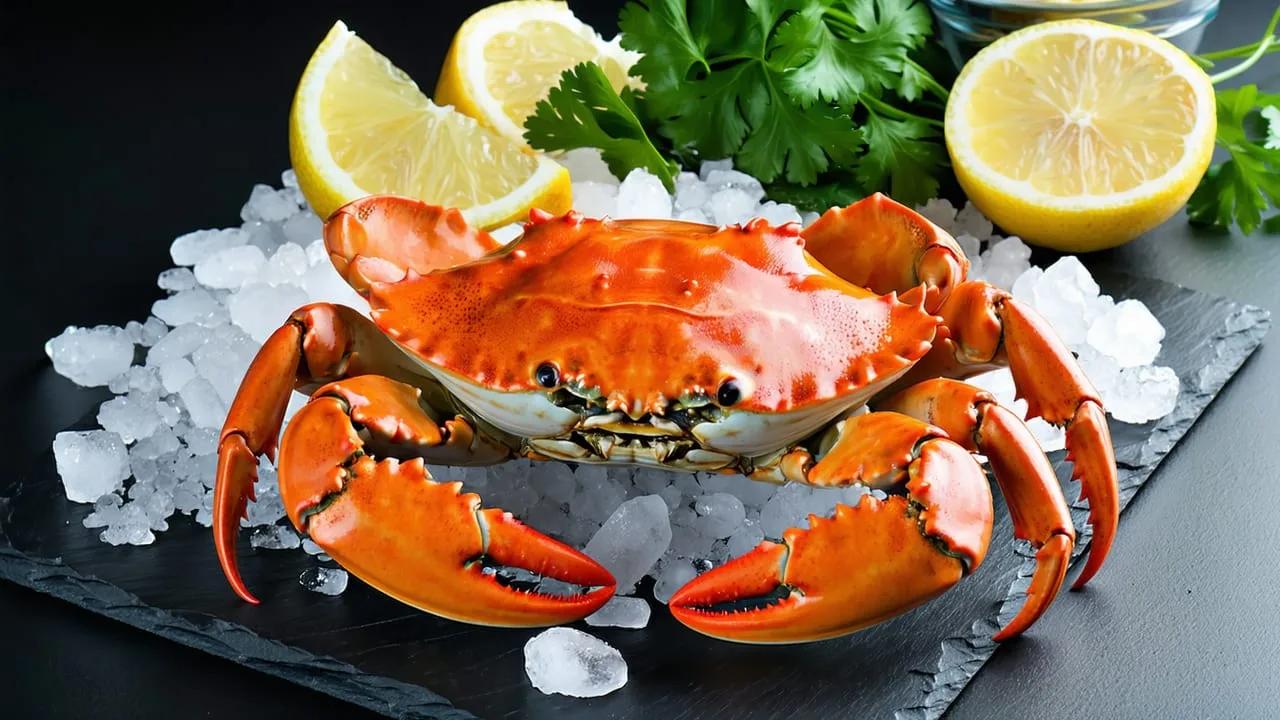
Species guide · Brachyura (true crabs) and Lithodidae (king crabs)
Crab
Four crabs share one menu word. Leg clusters, whole swimmers, Pacific halves, and Florida claws are not the same plate.
Boil default
Snow leg clusters
Claws only
Stone crab
Whole plate
Dungeness & swimmer
Yield tax
You pay for the shell
Crab covers many species. Here is how the main ones differ, so you know what you are ordering or buying.
What Is Crab?
Crabs are crustaceans: ten-legged shellfish with a hard shell and, in most kinds, two front claws. Hundreds of species exist, but only a handful reach restaurant menus. In the US those are blue crab on the Atlantic and Gulf coasts, Dungeness on the Pacific coast, snow and king crab from Alaska, and stone crab claws from Florida. In the UK and Europe the everyday crab is the brown crab.
Each one is sold differently. Blue and Dungeness crab are usually bought live or as picked meat. Snow and king crab are almost always cooked and frozen as legs. Stone crab is sold as cooked claws only, because the claw is removed and the crab returned to the water.
Crab is eaten all over the world, from Maryland crab feasts to Singapore chilli crab and dressed crab in British seaside towns.
Types of Crab and Common Names
| Blue crab (Callinectes sapidus) | US Atlantic and Gulf, famous in Maryland. Sweet; sold live, as soft-shell, and as picked lump meat. |
|---|---|
| Dungeness crab (Metacarcinus magister) | US West Coast. Big body meat; sweet and slightly nutty; sold live or cooked whole. |
| Snow crab (Chionoecetes opilio) | Cold northern waters (Alaska, Canada). Long thin legs; sold as cooked frozen clusters. |
| King crab (Paralithodes and Lithodes) | Alaska, Russia, Norway. Huge legs with thick, rich meat; sold cooked and frozen. |
| Stone crab (Menippe mercenaria) | Florida. Only the claws are taken; served cold with mustard sauce. |
| Brown crab (Cancer pagurus) | UK and Europe. Heavy claws plus rich brown body meat. |
Sources: NOAA Fisheries – Blue Crab · NOAA Fisheries – Alaska Snow Crab · NOAA Fisheries – Red King Crab
White meat and brown meat
White meat comes from the claws, legs and body; it is sweet and flaky. Brown meat (UK and Europe) is the rich, soft meat from the shell. Lump and jumbo lump are the big pieces of body meat from blue crab.
Mercury
Crab is on the FDA Best Choices list for low mercury.
Imitation crab
Imitation crab (surimi, kani) is made from white fish, usually pollock, flavoured to taste like crab. It is not crab.
Blue Crab vs Dungeness Crab vs King Crab
Blue crab is the Atlantic and Gulf crab of crab cakes and crab boils. On the Pacific side, Dungeness and king crab are the two names you will see most.
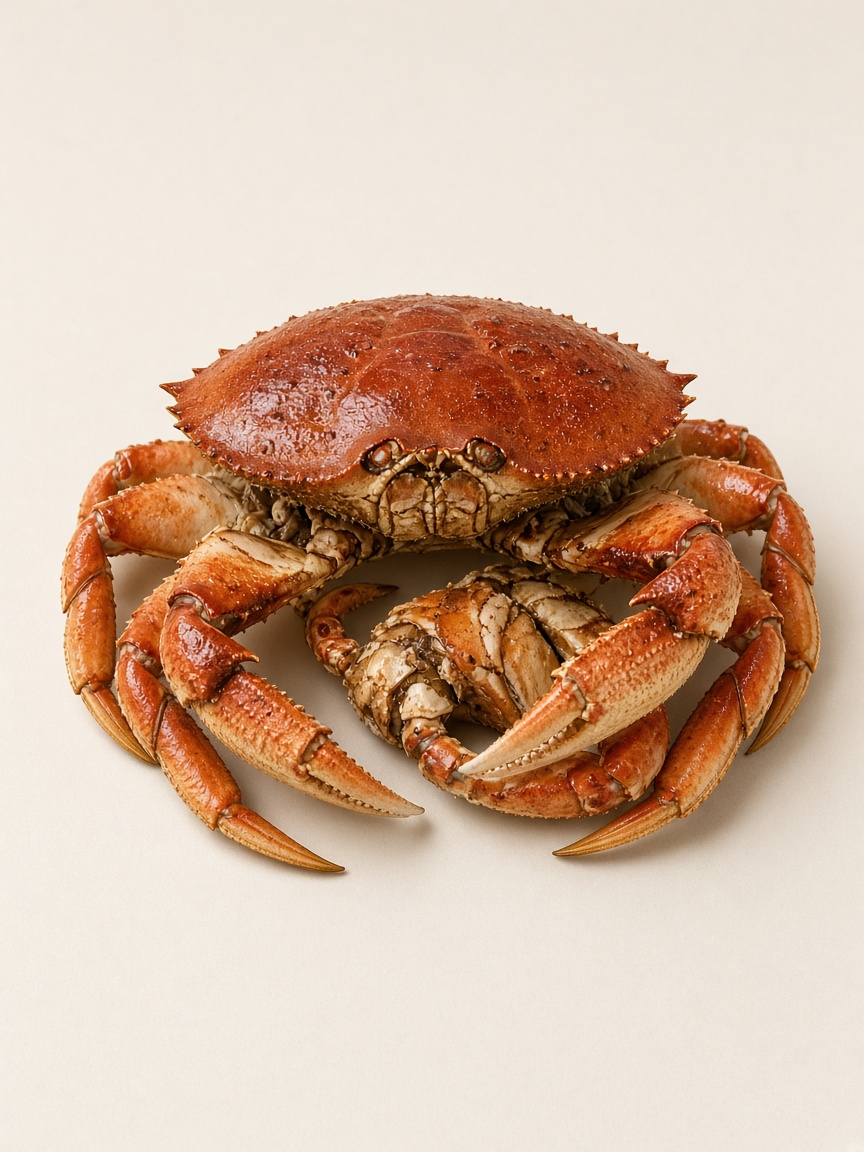
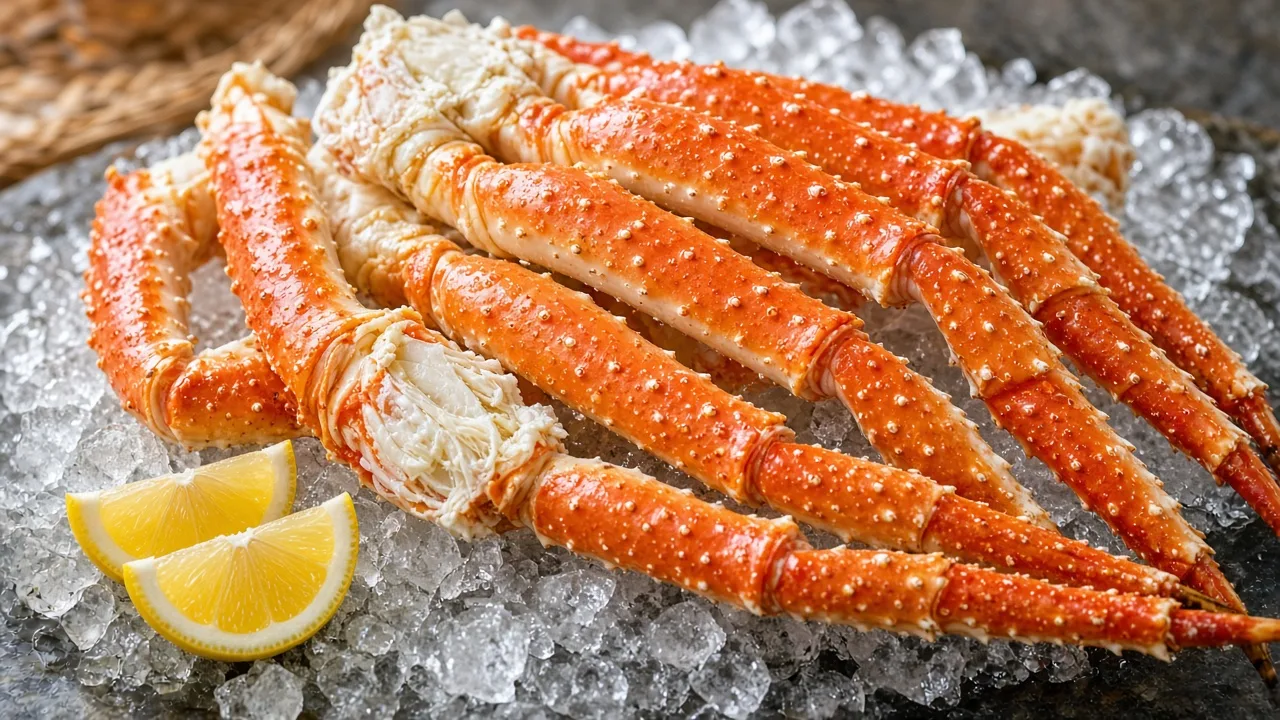
- Where it lives
- Dungeness crab: US Pacific coast, from Alaska to California
- King crab: Cold northern Pacific waters, including Alaska's Bering Sea
- Size
- Dungeness crab: Mid-sized crab with a broad body
- King crab: The largest of the three; long, thick legs
- How it is sold
- Dungeness crab: Live, or whole and cooked
- King crab: Mostly as cooked, frozen legs and claws
- Taste and texture
- Dungeness crab: Sweet, tender body meat
- King crab: Sweet, rich leg meat in long pieces
- Best cooking
- Dungeness crab: Steam or boil whole; crack at the table
- King crab: Reheat gently by steaming; it is already cooked
- Sustainability
- Dungeness crab: Managed by state rules; check your state's current season
- King crab: Federally and state managed; some Alaska seasons have been closed, so check NOAA
| Dungeness crab | King crab | |
|---|---|---|
| Where it lives | US Pacific coast, from Alaska to California | Cold northern Pacific waters, including Alaska's Bering Sea |
| Size | Mid-sized crab with a broad body | The largest of the three; long, thick legs |
| How it is sold | Live, or whole and cooked | Mostly as cooked, frozen legs and claws |
| Taste and texture | Sweet, tender body meat | Sweet, rich leg meat in long pieces |
| Best cooking | Steam or boil whole; crack at the table | Reheat gently by steaming; it is already cooked |
| Sustainability | Managed by state rules; check your state's current season | Federally and state managed; some Alaska seasons have been closed, so check NOAA |
How to tell them apart
- Blue crab is the small Atlantic and Gulf crab behind Maryland crab cakes; Dungeness and king crab come from the Pacific.
- Dungeness is usually sold as a whole crab; king crab almost always as legs.
- King crab legs are thick and spiky; Dungeness legs are short and smooth.
Sources: NOAA Fisheries – Blue Crab · California Department of Fish and Wildlife – Dungeness Crab · NOAA Fisheries – Red King Crab
What Does Crab Taste Like?
Crab meat is sweet, delicate and slightly briny. White meat from the claws, legs and body is flaky and mild. Brown meat, the soft meat from inside the shell that is popular in the UK, is much richer and stronger.
The species matters. Blue crab is sweet with a fine texture, which is why it is the crab of choice for crab cakes. Dungeness is sweet and slightly nutty with large flakes of body meat. Snow crab legs are sweet with long, tender strands, and king crab legs are richer, meatier and firmer. Stone crab claws are firm and sweet, usually served cold.
Freshness changes everything. Crab that is cooked live or frozen soon after cooking tastes clean and sweet; crab held too long tastes flat or of ammonia.
Crab Nutrition (Per Serving)
Crab is a lean source of protein and is low in fat. It also provides vitamin B12, zinc and selenium. For exact figures for a serving of a specific crab, check USDA FoodData Central, which lists blue, Dungeness, king and snow crab separately.
Two points to watch: crab can be high in sodium, especially king crab legs and imitation crab, and it is a shellfish, one of the major food allergens. Crab is on the FDA's "Best choices" list for lower mercury.
Sources: USDA FoodData Central · US FDA – Advice about Eating Fish
Best Ways to Cook Crab
Cooked crab is done when the shell is bright red-orange and the meat is opaque. The tips tab covers cleaning, cracking and timing.
- Steam or boil live blue and Dungeness crab whole, then crack it at the table.
- Reheat cooked snow and king crab legs gently by steaming. They are already cooked, so you are only warming them.
- Pick blue crab meat for crab cakes, crab dip and pasta.
- Stir-fry or bake for chilli crab and other Asian styles.
- Serve stone crab claws cold, cracked, with mustard sauce.
Sustainability and Sourcing
Most US crab fisheries are managed by state agencies or NOAA Fisheries with seasons, size limits and limits on which crabs can be kept. Alaska snow and red king crab seasons have been closed in some recent years because stocks fell, so supply and availability change year to year.
Much of the crab meat sold in the US is imported. Check the label for country of origin, and look for MSC certification or check Seafood Watch for a given species and source.
Sources: NOAA Fisheries – Blue Crab · NOAA Fisheries – Alaska Snow Crab · NOAA Fisheries – Red King Crab · Monterey Bay Aquarium Seafood Watch · Marine Stewardship Council
Featured Crab Recipe
Our featured recipe is crab rangoon, with step photos. For the classic Maryland crab cake, see our crab cakes recipe.
Where to Eat Crab
We list restaurants whose own menus show crab, in more than 100 cities across the US, UK and Europe, plus city guides such as our Baltimore crab cake guide.
Crab Species at a Glance
Blue crab is the smallest of the common eating crabs and the hardest to pick, but its meat is the sweetest. In spring and summer some blue crabs are sold as soft-shell crabs, caught just after they shed their shell, and eaten whole, shell and all.
Dungeness crab has a large body full of meat as well as its legs, so one crab can feed one person. On the West Coast it is often sold already cooked and cracked, and it is the crab in San Francisco cioppino.
Snow crab is sold as clusters: a section of body with four long, thin legs and a claw attached. It is the crab in most crab-leg buffets and Cajun boil-in-a-bag restaurants.
King crab is the largest. The legs are thick enough that the meat comes out in long pieces, and it is usually sold as split or whole legs, cooked and frozen.
Stone crab claws are a Florida speciality with a firm, sweet meat. Brown crab, the UK's main crab, is valued for its heavy claws and its rich brown meat, often served dressed in the shell.
Is Crab Safe to Eat?
Crab bought from a licensed seller and cooked properly is safe for most people. The main risks are the same as for other shellfish: keep it cold, cook live crab while it is still alive, and eat cooked crab within a few days. Crab is one of the major shellfish allergens, so anyone with a shellfish allergy should avoid it entirely, including crab cooked in a shared boil.
Crab you catch yourself is a little different. Some areas close to crabbing after algal blooms, because toxins can build up in the crab, especially in the guts and brown meat. State health departments post shellfish and fish advisories, and the EPA links to them. When an advisory applies, many recommend removing the guts and brown meat before cooking or not eating crab from that area at all.
Crab sold as "imitation crab" is not crab. It is surimi made mainly from fish, so it suits people avoiding shellfish only if the label shows no crab extract. Our imitation crab guide explains how to read the label.
Sources: US FDA – Selecting and Serving Fresh and Frozen Seafood Safely · US EPA – Choose Fish and Shellfish Wisely (fish advisories)
Crab vs Lobster
Crab and lobster are both sweet, clawed crustaceans, but they eat differently. Lobster gives large, firm pieces of tail and claw meat with little effort, so it suits rolls, grilling and butter-poaching. Crab meat is finer and more delicate and is spread through many small chambers, so it suits picking, crab cakes, dips and pasta, or a long, social meal of cracking whole crabs at the table. Both are low in mercury and both are shellfish allergens. For lobster species, cooking and buying, see our lobster guide.
FAQs
Is crab healthy to eat?
Crab is lean protein, low in fat and low in mercury. It can be high in sodium, and it is a shellfish allergen.
What does crab taste like?
Sweet, delicate and slightly briny. Blue crab is fine and sweet, Dungeness slightly nutty, and king crab rich and meaty.
Is crab high in mercury?
No. Crab is on the FDA's "Best choices" list for lower mercury.
Is crab farmed or wild?
Almost all crab sold for eating is wild-caught.
What is a good substitute for crab?
Lobster or langoustine for richness, or imitation crab (surimi) for cold salads.
How do you know when crab is cooked?
The shell turns bright red-orange and the meat is opaque and white.