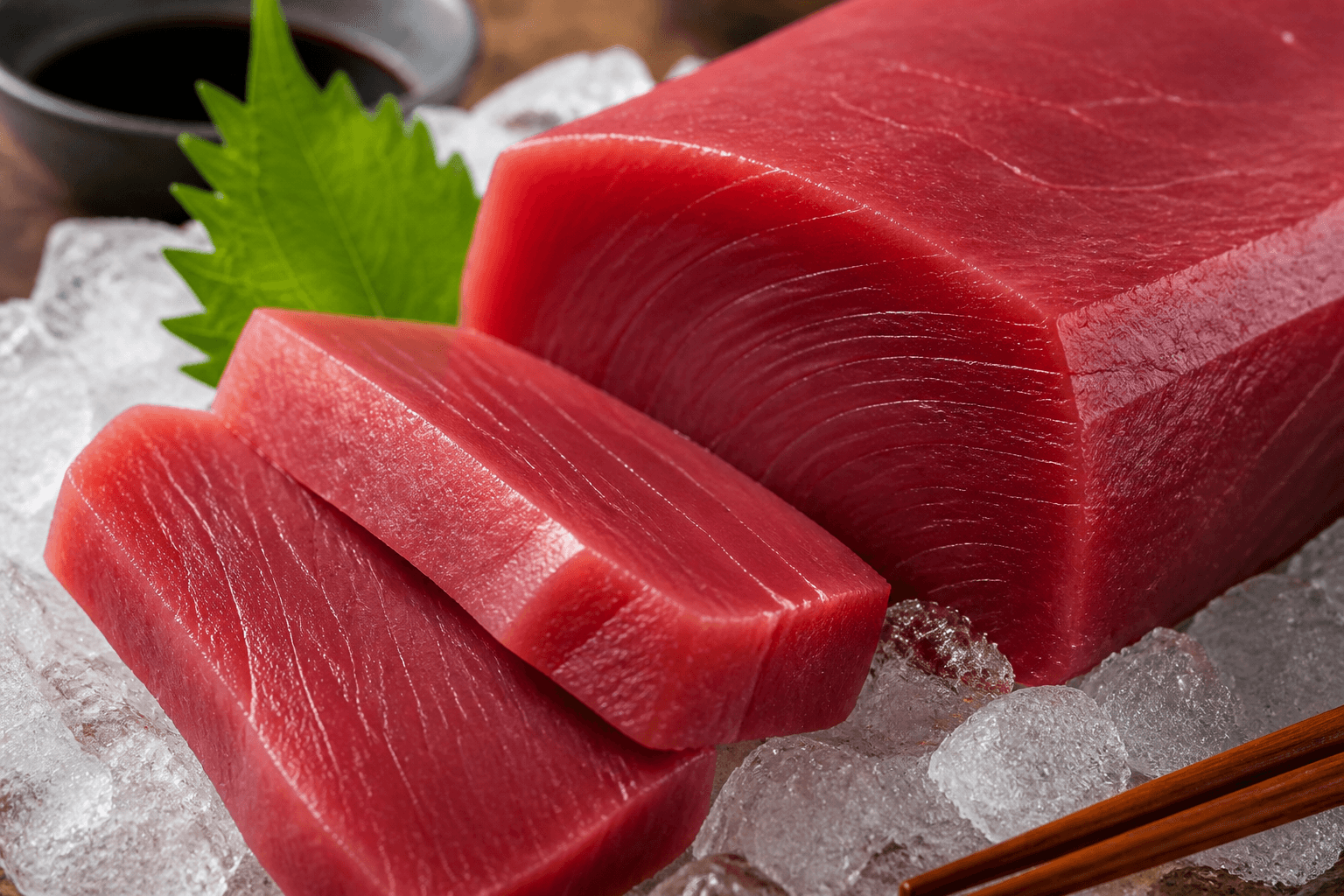
Tuna is not one fish on the plate — it is a family. Yellowfin (ahi), bigeye, albacore, and bluefin behave differently for sashimi, grilling, and canned products. Understanding the cut matters as much as the name on the menu.
This guide helps diners choose better tuna dishes in sushi restaurants and fish houses, then connect to cities and species pages across FishRestaurants.com.
También llamado
Tuna · Yellowfin · Ahi · Bluefin · Albacore
Mejores métodos de cocina
Sashimi / crudo · Sear rare · Grill steak · Tataki
Common tuna types on menus
Yellowfin is the everyday steak and poke fish — firm and versatile. Bigeye is prized for richer sashimi. Albacore is milder and common in cans and some West Coast kitchens. Bluefin is the luxury sushi fish, especially fatty belly (toro).
If a menu only says “tuna tartare,” ask which species and whether it is sushi-grade. Transparency is a quality signal.
How to cook and order tuna
For steaks, sear hard and keep the centre rare — overcooked tuna turns dry and chalky. For sashimi, trust a busy sushi counter with visible cold-chain discipline.
Pair tuna nights with Tokyo omakase, New York raw bars, or Mediterranean grill rooms that treat fish like meat: high heat, short time, excellent salt.
Sustainability and mercury notes
Tuna fisheries vary widely. Prefer restaurants that name the species and source. Large predatory tuna can carry more mercury than small forage fish — rotate with sardines, salmon, and white fish.