International · Medium
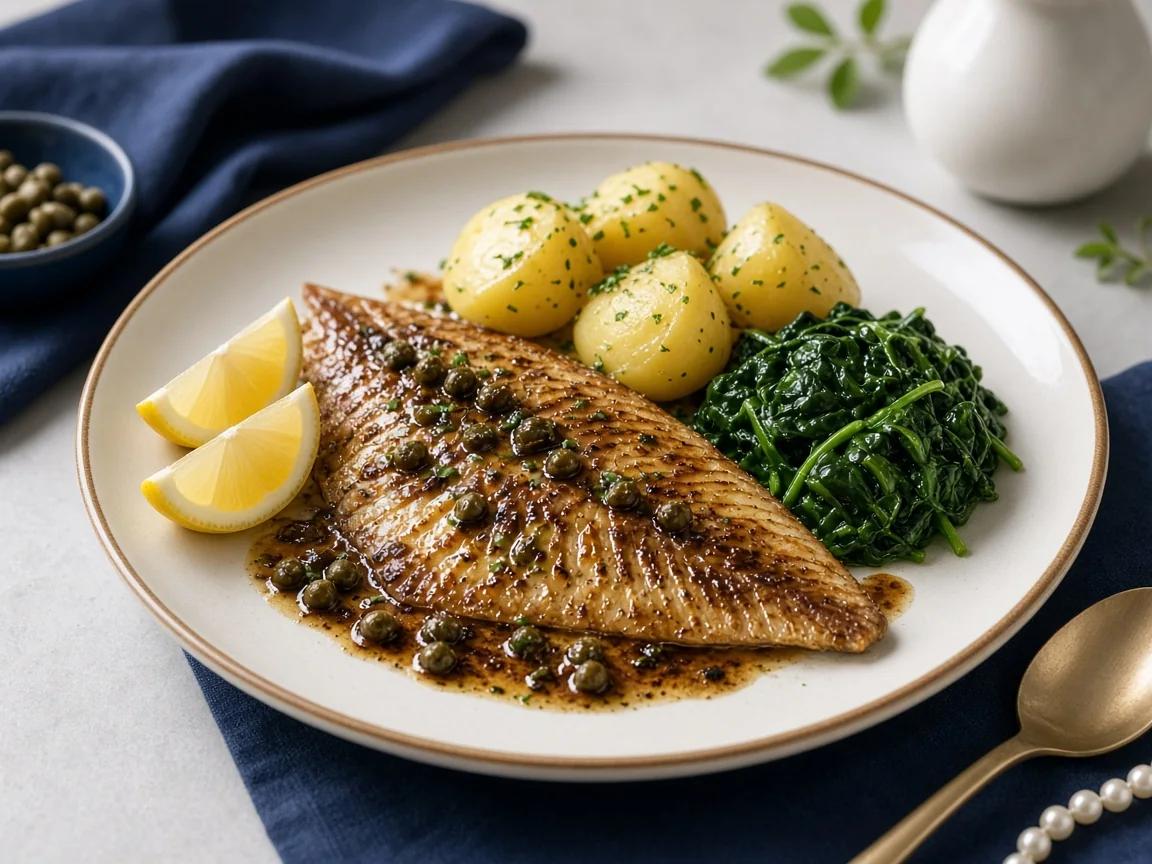
Skate Wing with Black Butter and Capers (Raie au Beurre Noir)
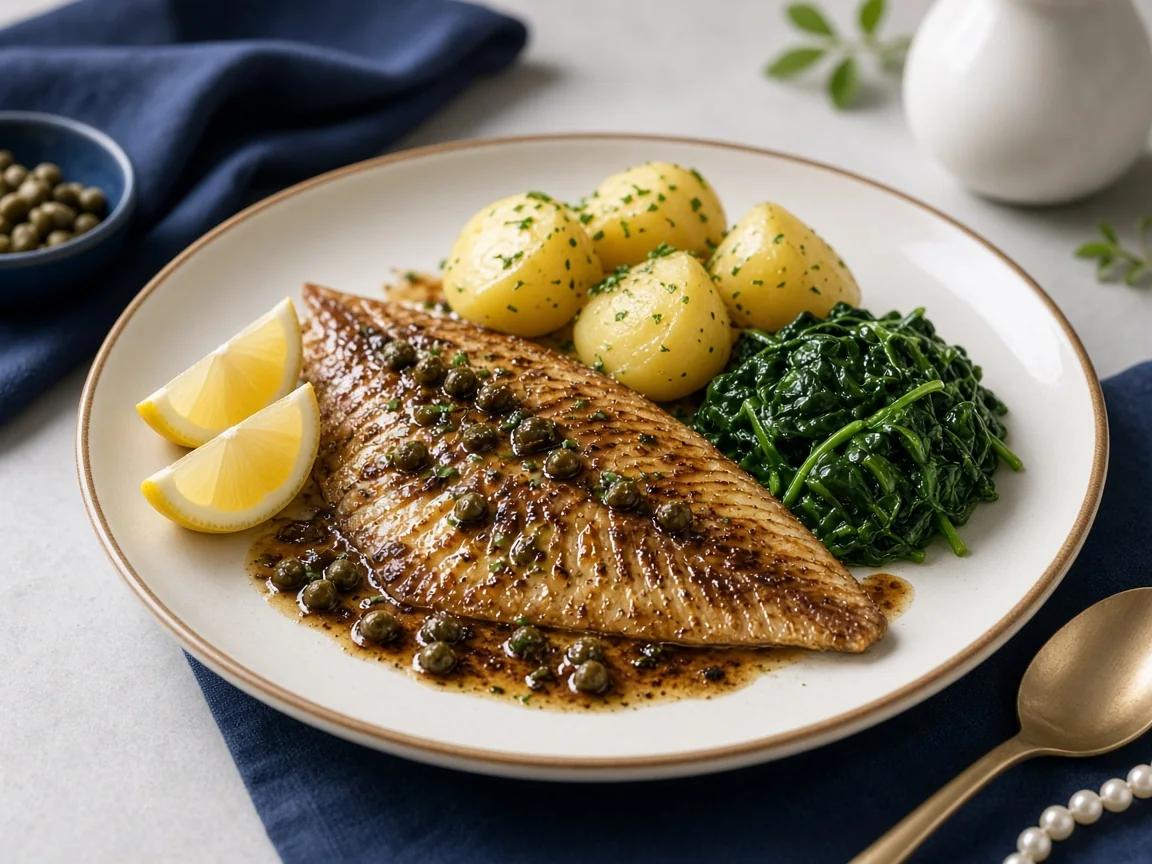
The French bistro classic: golden pan-fried skate wing with sizzling brown butter, capers, a splash of vinegar and parsley. Restaurant-quality in 20 minutes.
skate wing guide
mostly rays, such as thornback, blonde, spotted, cuckoo and small-eyed ray
Skate wing is the meaty, fan-shaped fin of a skate or ray, a flat, cartilaginous fish related to sharks, and it's one of the most delicious and unusual fish you can cook.
sweet, mild and slightly rich, often compared with scallops or crab · skates (Rajidae) and rays; cartilaginous fish, related to sharks
Ask the Fish Guide about skate wing — grounded in this species hub.
What it is
the pectoral fin ("wing") of a skate or ray
Family
skates (Rajidae) and rays; cartilaginous fish, related to sharks
Species sold in the UK
mostly rays, such as thornback, blonde, spotted, cuckoo and small-eyed ray
Taste
sweet, mild and slightly rich, often compared with scallops or crab
Taste
sweet, mild and slightly rich, often compared with scallops or crab
Habitat
skates (Rajidae) and rays; cartilaginous fish, related to sharks
Recipes
Step-by-step methods from our recipe pages — same hero photos you will see on each dish.
International · Medium
The French bistro classic: golden pan-fried skate wing with sizzling brown butter, capers, a splash of vinegar and parsley. Restaurant-quality in 20 minutes.
Skate wing is the meaty, fan-shaped fin of a skate or ray, a flat, cartilaginous fish related to sharks, and it's one of the most delicious and unusual fish you can cook.
Buying links may earn a commission. Restaurant listings are editorial — not paid placements in this block.
Catch & season
Species guide
Skate wing is the meaty, fan-shaped fin of a skate or ray, a flat, cartilaginous fish related to sharks, and it's one of the most delicious and unusual fish you can cook. The flesh comes off in long, sweet ribbons, a bit like crab or scallop, and the classic way to serve it is French-style, with black butter and capers.
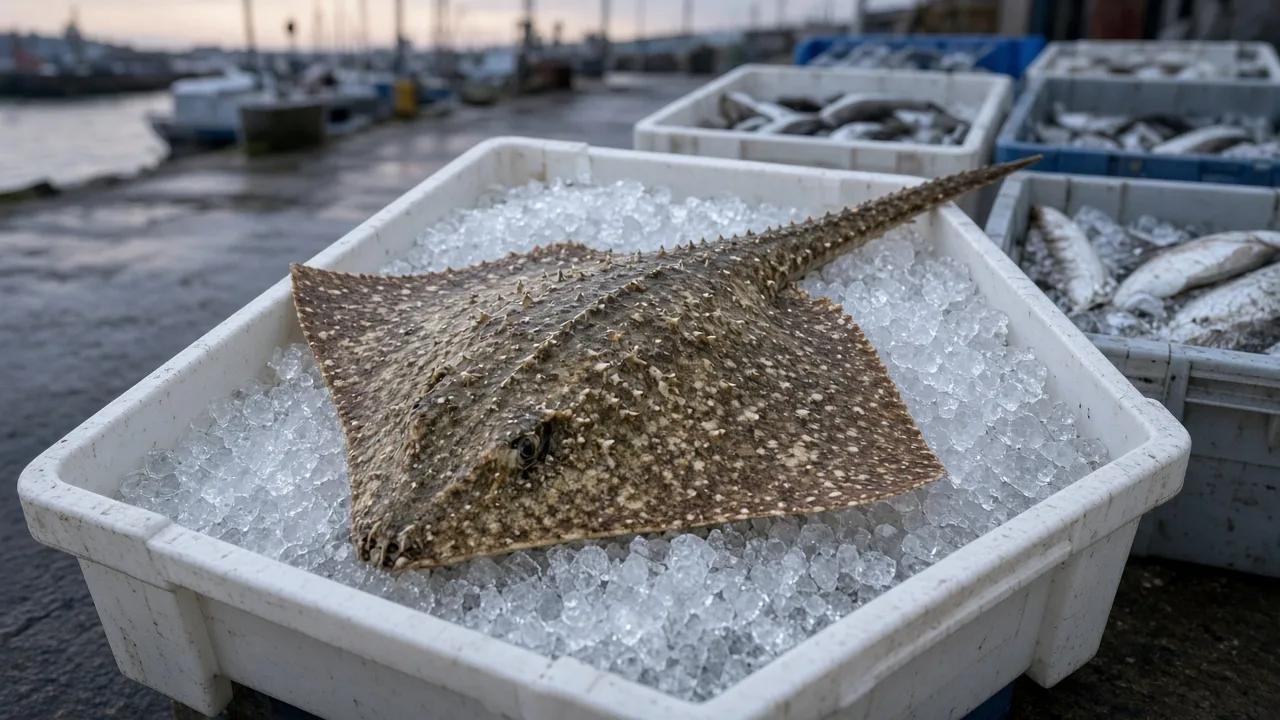
What is skate fish? Skates and rays are flat, diamond-shaped fish with skeletons made of cartilage instead of bone, like sharks. They live on the seabed, where they feed on crabs, shrimps, worms and small fish. Their huge, wing-like pectoral fins ripple to move them through the water.
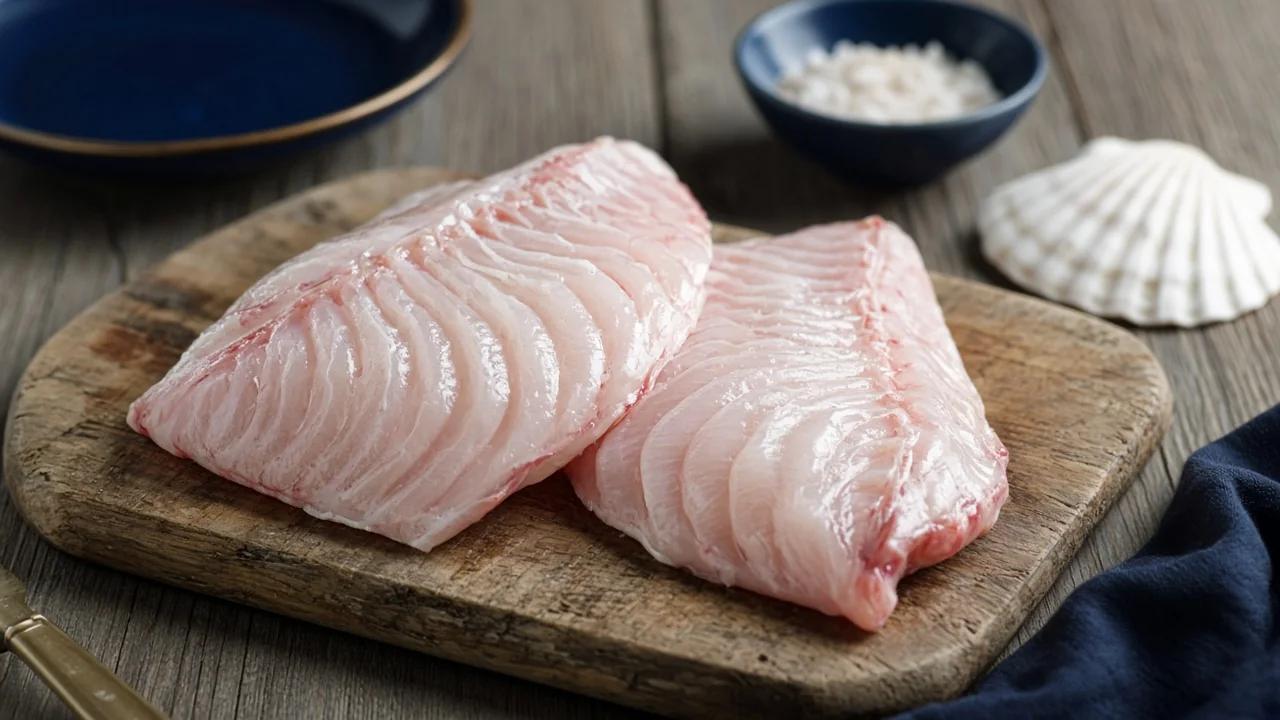
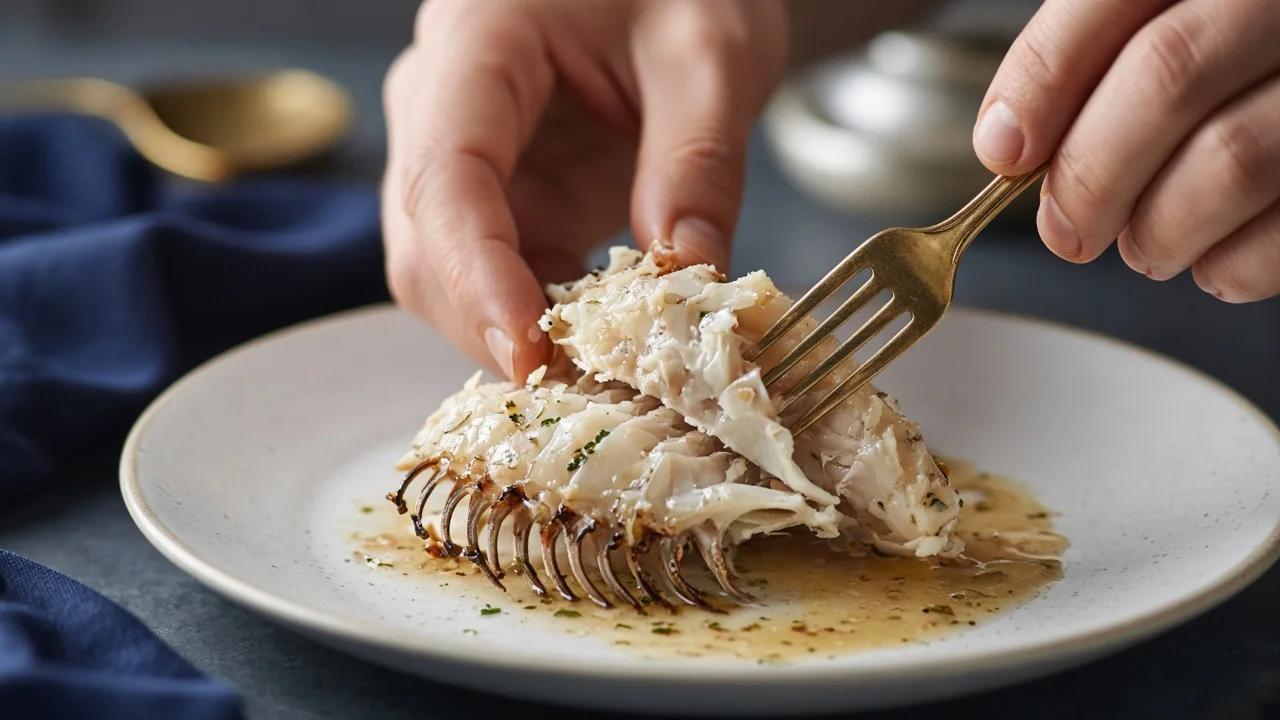
What is a skate wing? When you buy "skate", you're almost always buying just these wings, since the body has little meat. Each wing has a thin, flexible sheet of cartilage running through the middle, with layers of flesh above and below it. When cooked, the flesh slides off the cartilage in long, neat strands.
Biologists divide skates and rays into different families, but in British fish shops and restaurants the name "skate" is used for both. In fact, the true common skate (*Dipturus batis*) is critically endangered and protected, so it shouldn't be landed or sold at all. Most "skate" on UK menus is actually ray, such as thornback, blonde, spotted, cuckoo or small-eyed ray (Marine Conservation Society). In the US, skate wings mostly come from winter skate and other Northwest Atlantic species (NOAA Fisheries).
Skates and rays grow slowly, mature late and have few young, which makes them vulnerable to overfishing. Ratings vary a lot by species, area and fishing method. The Marine Conservation Society advises choosing species such as spotted ray and cuckoo ray, and rays from well-managed fisheries, and avoiding the common skate and white skate completely. Some UK ray fisheries (for example, around Cornwall and the Channel) have been assessed as better choices. Ask your fishmonger which species it is and where it was caught, and check the MCS Good Fish Guide.
Skate wing has a mild, sweet, slightly rich flavour, often compared with scallops or crab. The texture is unique: long, moist, slightly gelatinous ribbons that pull apart easily. It's firm enough to hold up to frying and strong flavours such as brown butter, capers, vinegar and mustard.
Skates and rays keep the chemical urea in their blood and tissues to balance the salt in seawater. After the fish dies, bacteria break the urea down into ammonia. Very fresh skate smells clean and of the sea. If it smells strongly of ammonia, it's past its best. A faint whiff can be rinsed off, and some cooks believe skate tastes best after a day or two in the fridge, but a strong smell means don't buy it.
How do you prepare skate fish? Mostly it's done for you, but:
How do you cook skate fish? It's simplest to pan-fry or poach it. The wing is cooked when the flesh is opaque and pulls easily away from the cartilage, or reaches 63°C (145°F) (FoodSafety.gov).
Dust the wing in seasoned flour. Fry in oil over medium-high heat for 3 to 5 minutes per side, depending on thickness, until golden. Add butter for the last minute and baste.
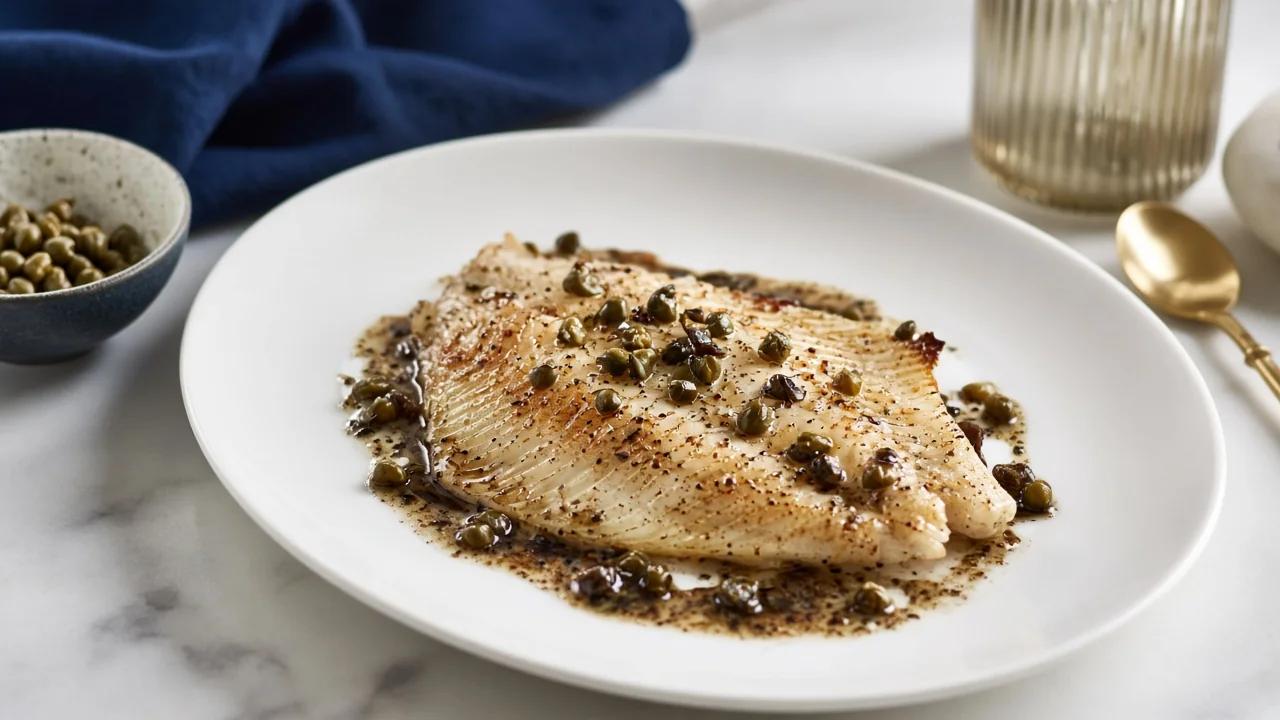
The French bistro classic. Pan-fry or poach the skate, then pour over butter cooked until deep nut-brown, with capers, vinegar or lemon and parsley. See the recipe below. (Despite the name, the butter should be dark brown, not burnt black.)
Simmer gently in a court-bouillon (water, white wine, vinegar, onion, bay leaf and peppercorns) for 8 to 12 minutes. This is the traditional base for beurre noir.
Brown the wing in an ovenproof pan, then finish in an oven at 200°C (400°F) for 5 to 8 minutes.
Battered skate is a traditional option in some British chippies, especially in the south of England.
Use a knife and fork to slide the flesh off the top of the cartilage in strips. When the top is clear, lift away the cartilage in one piece (it comes away easily when cooked) and eat the flesh underneath.
Skate is best cooked within a day of buying. Keep it in the coldest part of the fridge, covered, on a plate. Check the smell before cooking: a clean, sea-fresh smell is good; a strong ammonia smell means it's past its best. Skate wings freeze reasonably well for up to 3 months. Thaw them in the fridge overnight and rinse before cooking.
Skate's ribbon-like strands are unlike any other fish. If you can't find it, the closest swaps are monkfish, which is also boneless and firm, or scallops, which share its sweetness. For the brown butter and caper sauce, any flatfish such as plaice or Dover sole works well.
| Method | Wing thickness about 3/4 inch (2 cm) | Done when |
|---|---|---|
| Pan-fried | 3 to 5 minutes per side | Flesh lifts off the cartilage |
| Poached in court-bouillon | 8 to 12 minutes | Flesh is opaque and pulls away easily |
| Roasted after searing | 5 to 8 minutes at 200°C / 400°F | Flesh lifts off the cartilage |
| Deep-fried in batter | 4 to 6 minutes at 180°C / 350°F | Golden and flaky |
Skate has long been eaten around the British coast, especially in the south and east of England, where battered skate and chips was once a common chip-shop order. In London's East End and along the Thames Estuary, skate was a working-class staple. Its cheapness meant it was also sold in fried fish shops alongside rock salmon (dogfish) and plaice. As skate and ray stocks declined in the late 20th century, it became rarer and more expensive, and it moved from the chippy to the bistro menu. Today chefs prize it for its unusual texture, and the classic French *raie au beurre noir* is served in restaurants across the UK.
The rich brown butter and sharp capers of a classic skate dish pair well with crisp, high-acid white wines such as Muscadet, Chablis, Picpoul or a dry Riesling. If you prefer beer, a crisp lager or a Belgian-style wheat beer works well.
Skate is a lean white fish, high in protein and low in fat. USDA FoodData Central doesn't include a nutrient entry for skate, so we don't give exact figures here. As with other white fish, enjoy it as one of the two portions of fish a week that the NHS recommends, alongside an oily fish such as mackerel or sardines (NHS).
When you buy skate, ask your fishmonger which species of ray it is and where it was caught. A good fishmonger will know, and asking helps support better-managed fisheries.
Our step-by-step recipe, with a photo for every step:
More seafood recipes on our site that use the same techniques:
Every recipe on this page works with our ready-made regional spice blends. For skate, try French Bouillabaisse Blend, part of our 20-blend World Seafood Spice Collection. Each blend is a complete seasoning: warm a spoonful in oil or butter, add your seafood, and cook.
Prefer someone else to cook? Browse our fine dining seafood restaurants or find the best fish restaurants in London, Brighton, Padstow.
Part of our North Atlantic white fish guides in the fish and seafood guide hub.
What is skate fish? A flat, cartilaginous fish related to sharks and rays. The part we eat is the wing, its large pectoral fin.
What is a skate wing? The fan-shaped fin of a skate or ray, made of sweet, ribbon-like flesh above and below a thin sheet of cartilage.
How do you cook skate fish? Dust the wing in seasoned flour and pan-fry it for 3 to 5 minutes per side, then serve it with brown butter and capers.
How do you prepare skate fish? Rinse and dry the skinned wing, cut it into portions if large, trim the thin edge and season just before cooking.
What does skate taste like? Mild and sweet, often compared with scallops or crab, with long, soft strands of flesh.
Does skate have bones? No. It has a soft sheet of cartilage, and the flesh slides off it easily when cooked.
Why does skate smell of ammonia? Skates store urea in their bodies, which breaks down into ammonia after death. Fresh skate shouldn't smell strongly of it.
Is skate the same as ray? In UK shops, "skate" usually means ray. The true common skate is critically endangered and shouldn't be sold.
A flat, cartilaginous fish related to sharks and rays. The part we eat is the wing, its large pectoral fin.
The fan-shaped fin of a skate or ray, made of sweet, ribbon-like flesh above and below a thin sheet of cartilage.
Dust the wing in seasoned flour and pan-fry it for 3 to 5 minutes per side, then serve it with brown butter and capers.
Rinse and dry the skinned wing, cut it into portions if large, trim the thin edge and season just before cooking.
Mild and sweet, often compared with scallops or crab, with long, soft strands of flesh.
No. It has a soft sheet of cartilage, and the flesh slides off it easily when cooked.
Skates store urea in their bodies, which breaks down into ammonia after death. Fresh skate shouldn't smell strongly of it.
In UK shops, "skate" usually means ray. The true common skate is critically endangered and shouldn't be sold.
Cookies. Essential cookies always run. Analytics and ads need your choice — manage or accept below. Essential cookies run the site. Google Analytics runs by default outside the UK, EEA and Switzerland, and only after you accept it there. Opt out any time in Cookie settings. Ads (Meta, Pinterest) load only with your permission. · Privacy