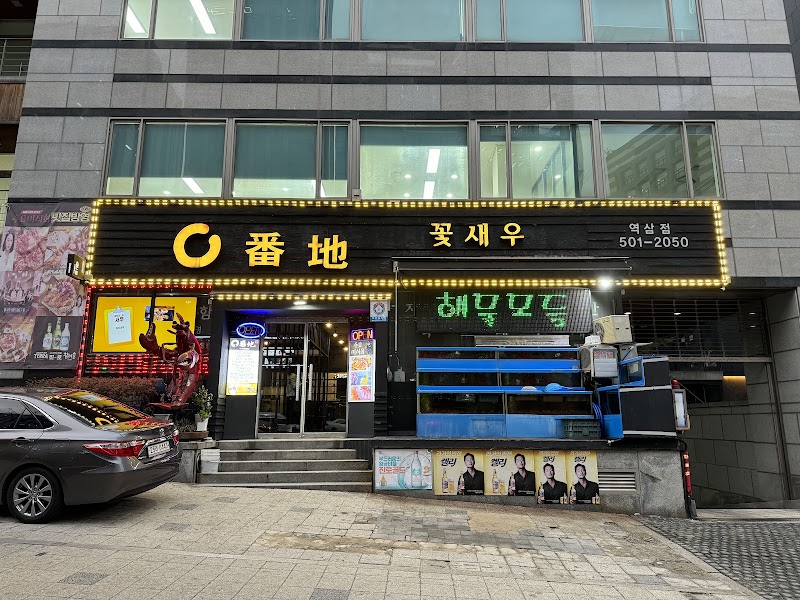
Hwareo-hoe
Live flounder or rockfish sliced to order — firm, chewy, wrapped with garlic and chojang.
62 restaurantes en Seoul
Socios premium de la ciudad
Tres salas que enviaríamos a quien visita la ciudad por primera vez: perfiles completos, buenas notas y un menú claramente de marisco.
Más lugares que conocer
Una segunda lista corta para cuando las tres primeras están llenas, lejos o no encajan.
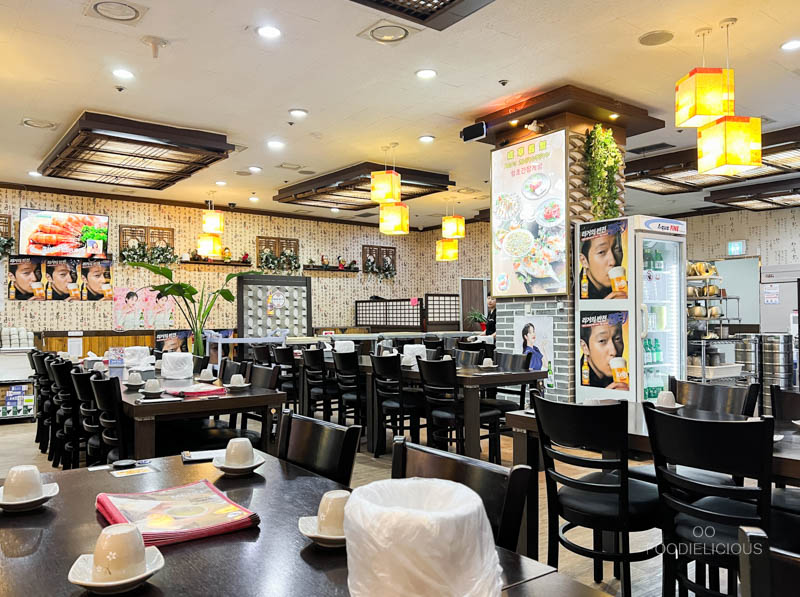
Selección del editor
4.7★ · 3540
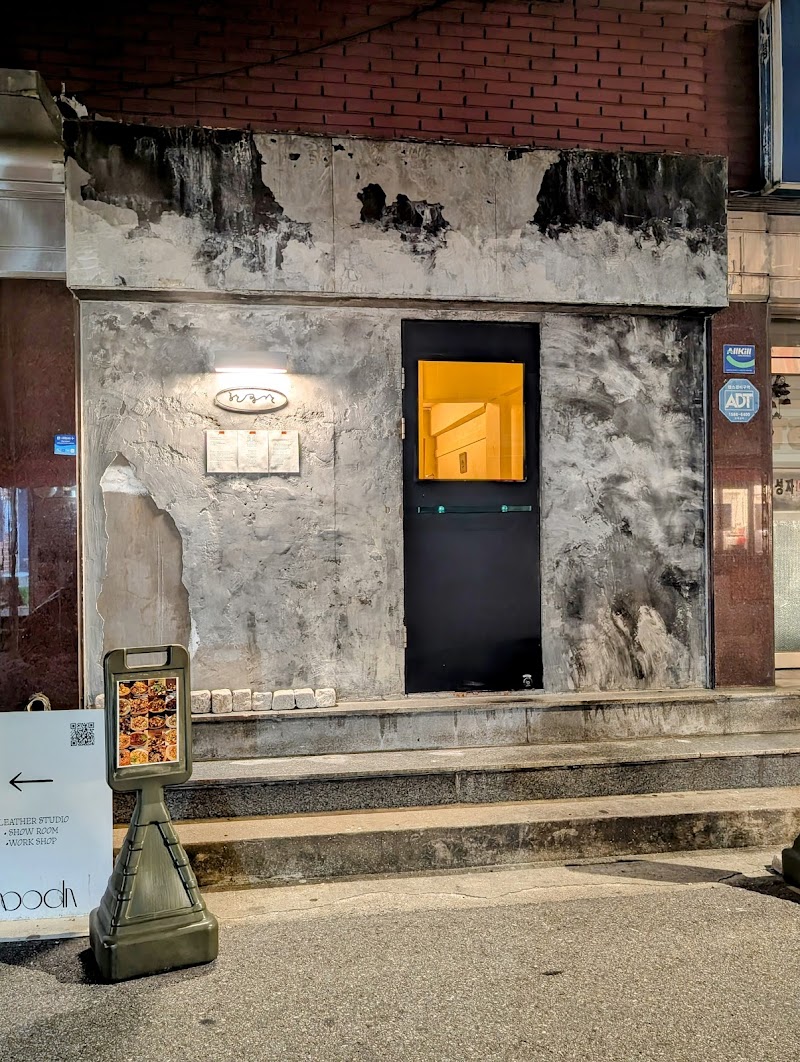
Selección del editor
5.0★ · 1238
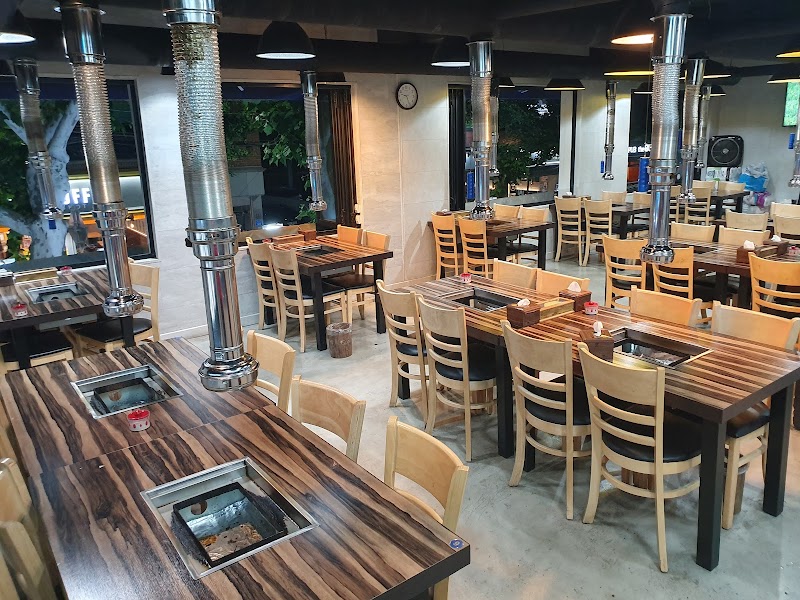
Selección del editor
4.6★ · 2259
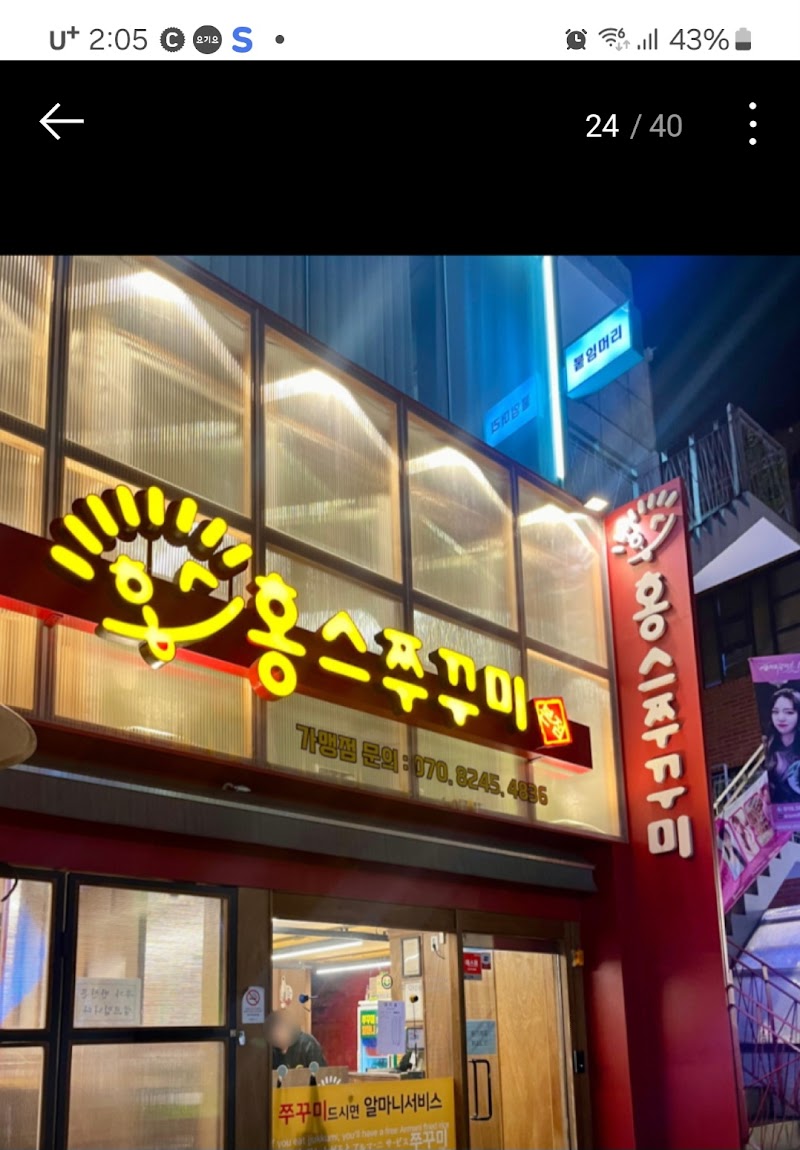
Selección del editor
4.4★ · 2162
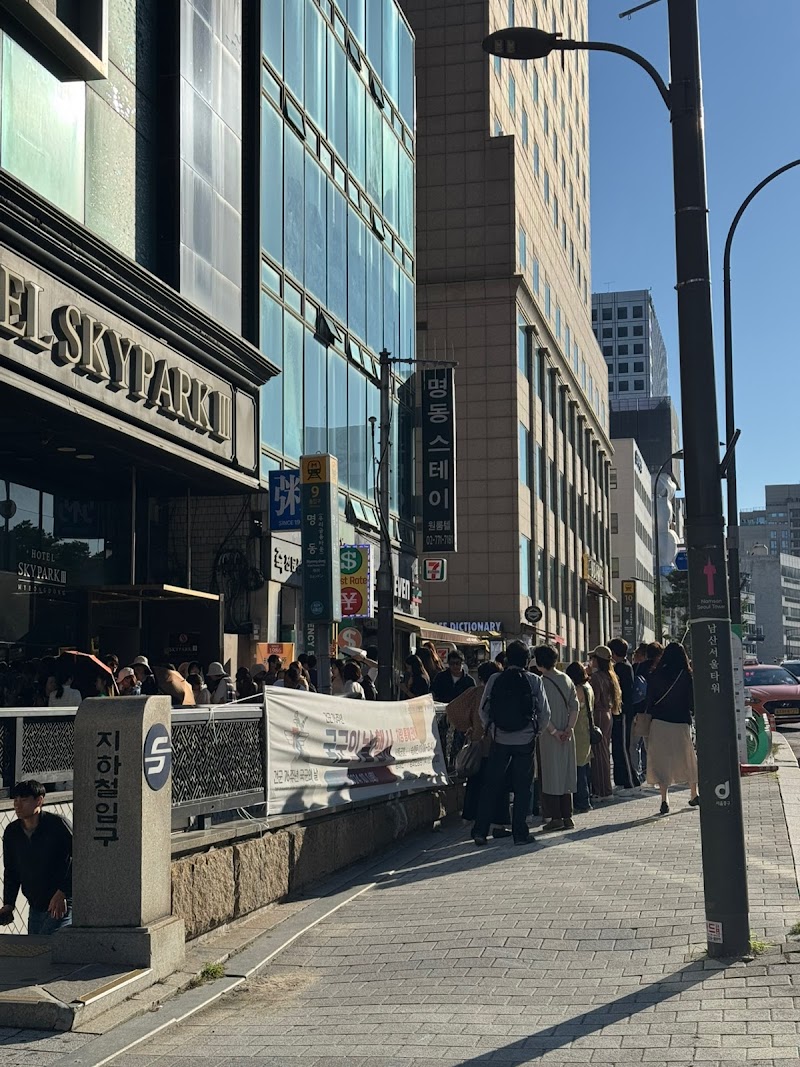
Selección del editor
4.5★ · 1283
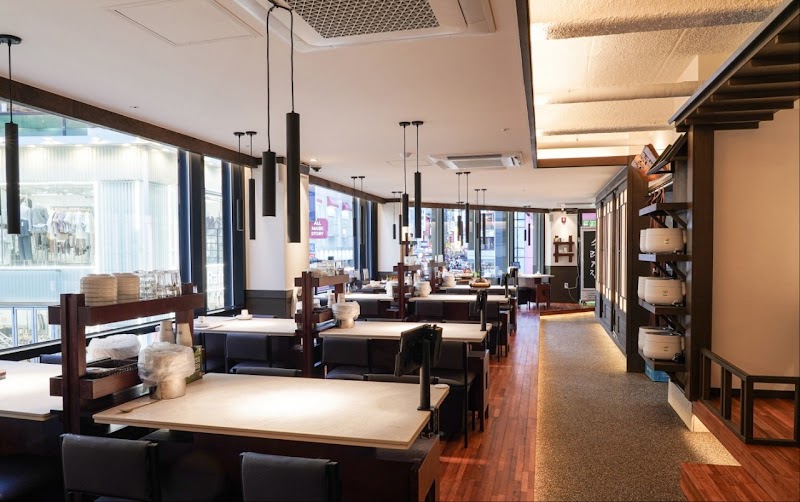
Selección del editor
4.9★ · 1712
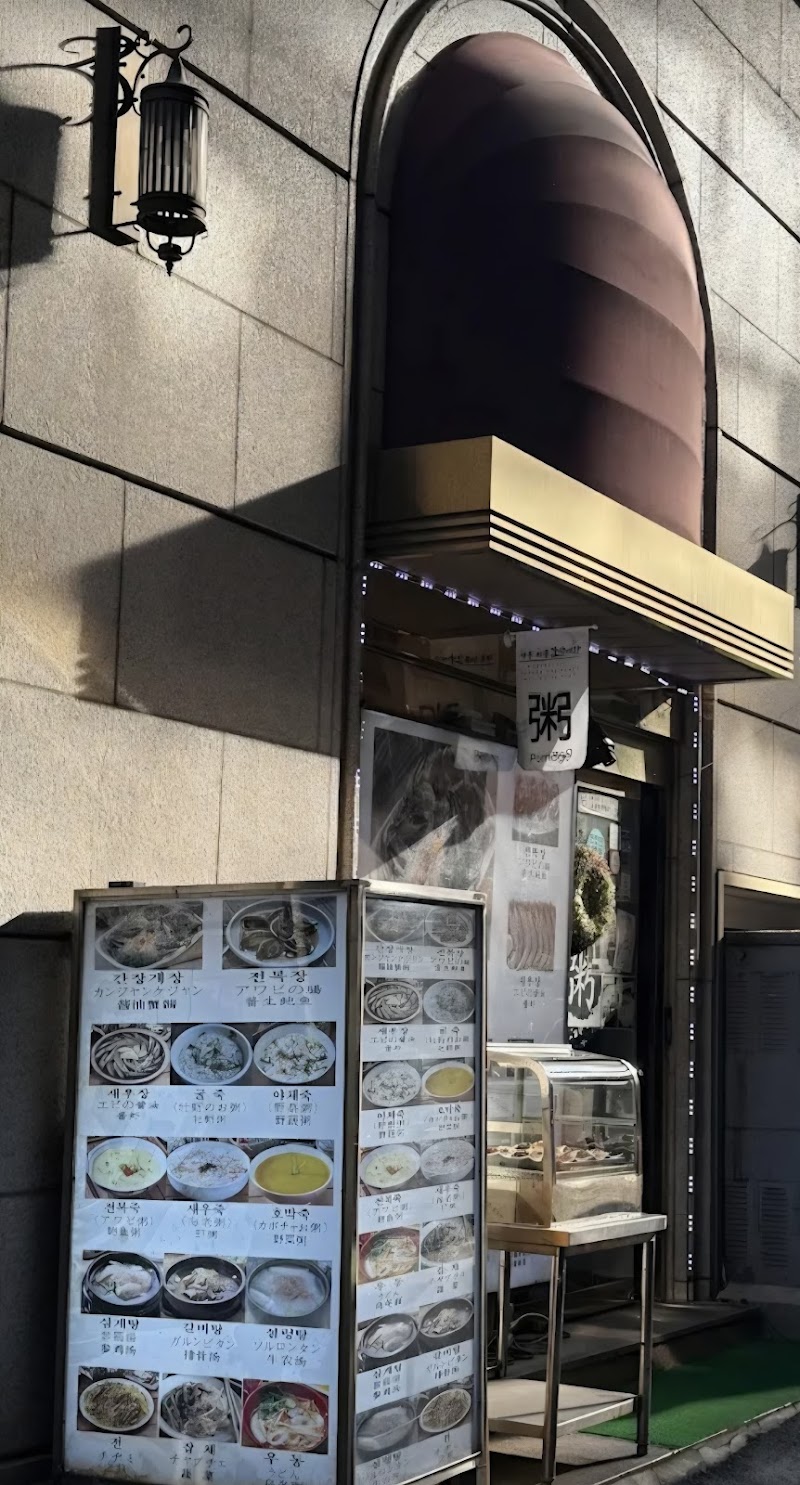
Selección del editor
4.8★ · 714
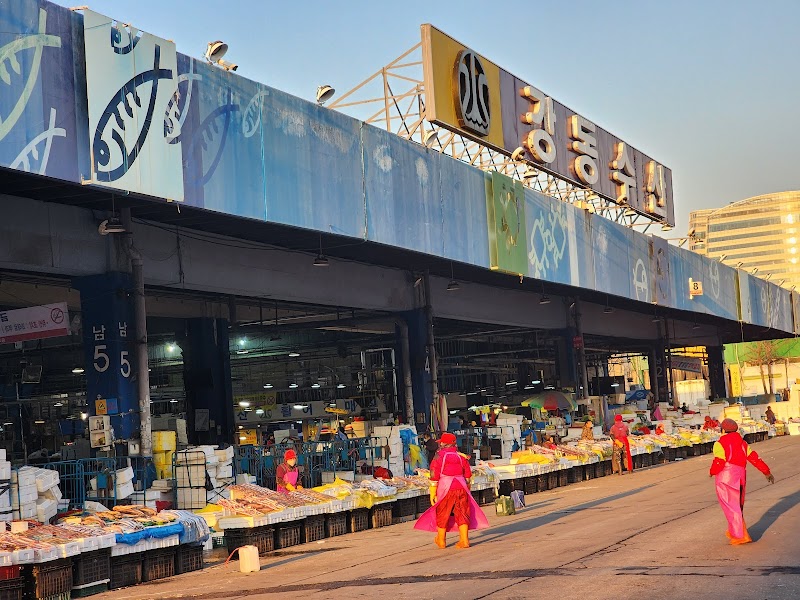
Selección del editor
4.0★ · 7864
Mejor valorados
Restaurantes de marisco con las mejores valoraciones en Seoul, elegidos por puntuaciones, reseñas y perfiles completos.
Seoul is inland and still one of the most serious raw-fish cities in Asia. The default is hwareo-hoe — a live fish pulled from the tank and sliced while the muscle is still tight — not aged sushi. Noryangjin is the supply floor. Neighbourhood hoejips in Jongno, Nonhyeon, and Mapo are where regulars sit. Seongsu standing oyster bars are the other Seoul format: Goheung and Tongyeong oysters on ice, not a tower with lemon and no farm name. Pick the format first.
62 seafood and fish restaurants in Seoul, South Korea — ranked by Google rating and review volume.
Seoul’s seafood map splits in two. One side is hoe: live flounder and rockfish sliced at a plastic table, wrapped with garlic and chojang, finished as maeuntang. The other is a standing oyster bar that writes Goheung or Tongyeong on the board.
Noryangjin is the supply floor — buy downstairs, sit upstairs, and expect a seating fee on top of the fish tag. Jongno and Gwangjang are the alley rooms. Seongsu is where the oyster express format landed.
Searchers for “best seafood restaurants in Seoul” should decide hoe vs oysters vs soy crab first. A sushi omakase is a different meal, even when the fish is excellent.
Korean hoe and south-coast oysters
Seoul eats live-fish hoe with chojang and lettuce wraps, then finishes the bones as maeuntang. The other Seoul meal is a standing oyster bar that names Goheung or Tongyeong.
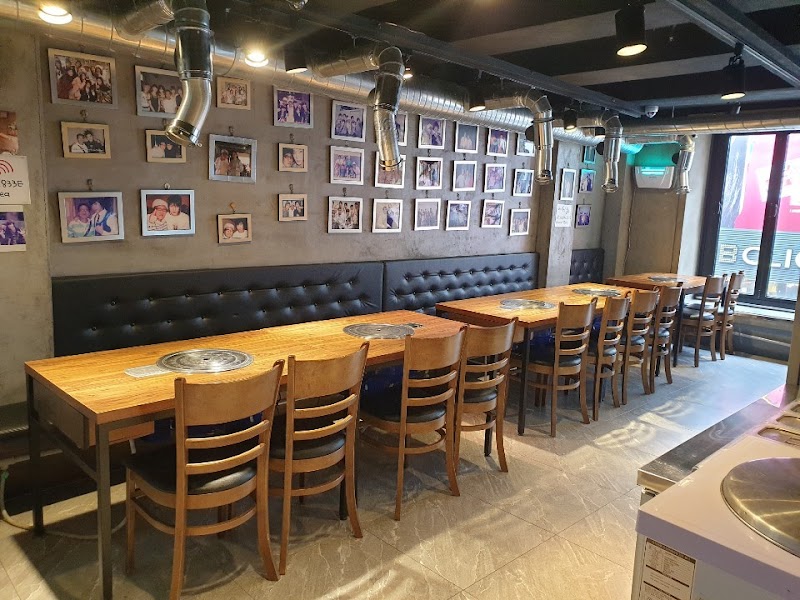
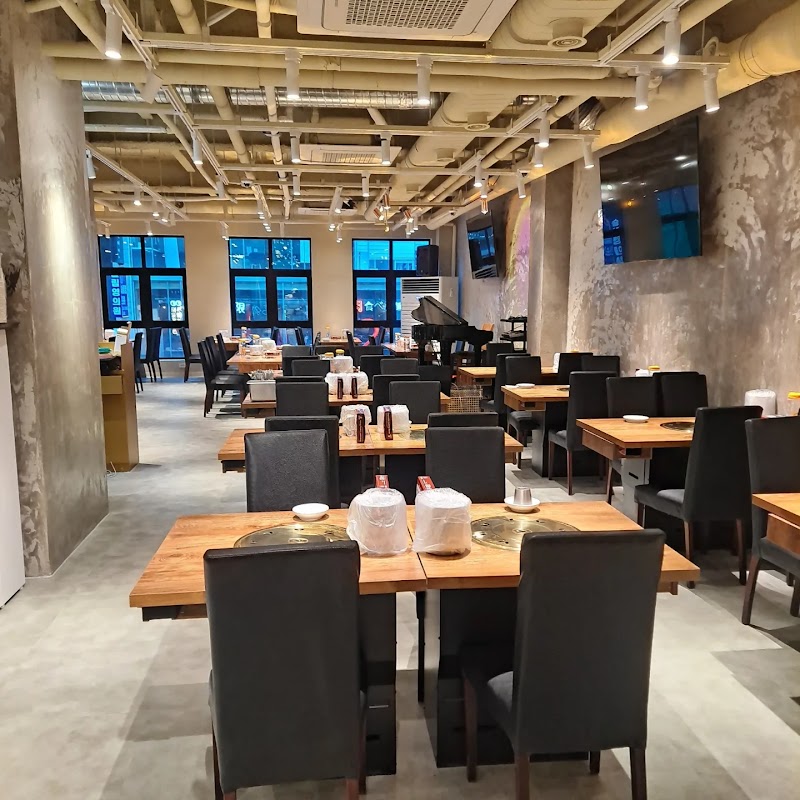
Live flounder or rockfish sliced to order — firm, chewy, wrapped with garlic and chojang.
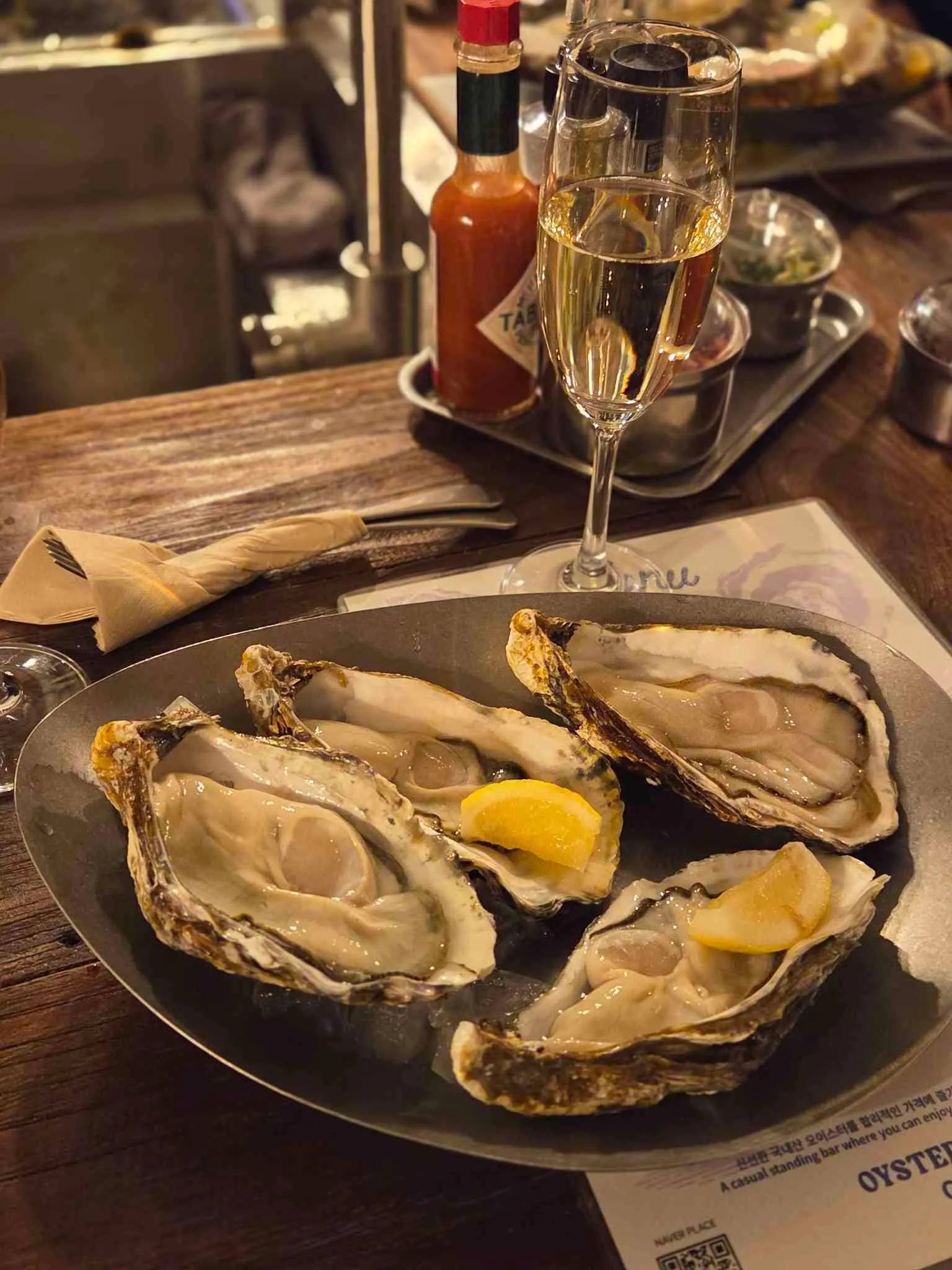
South-coast oysters on ice — the Seongsu standing-bar order, not a nameless tower.
Spicy stew from the head and bones — the course finale after hoe, not a side soup.
Soy-marinated raw crab — Gangnam specialists; eat over rice, not as a garnish.
Scallops, clams, and pen shells on a hot stone — Seongsu Pier table-grill energy.
Winter large yellowtail — fat from December, often better (and calmer) in February–March.
Especies y pescados locales
Standing oyster bars and grilled shellfish — Seongsuil-ro after the warehouse cafés close.
Buy downstairs, sit upstairs. The fish tag is half the bill; maeuntang is the other half.
Oyster soup, nakji, and late seafood pocha rooms off Itaewon-ro.
Market stall hoe — the format that actually works if you are eating alone.
Explora locales de pescado en Seoul, South Korea.
Noryangjin chojang-jip rules, Seongsu oysters, and how Korean hoe differs from sushi.
Live lobster course in Jongno — what the room is built for.
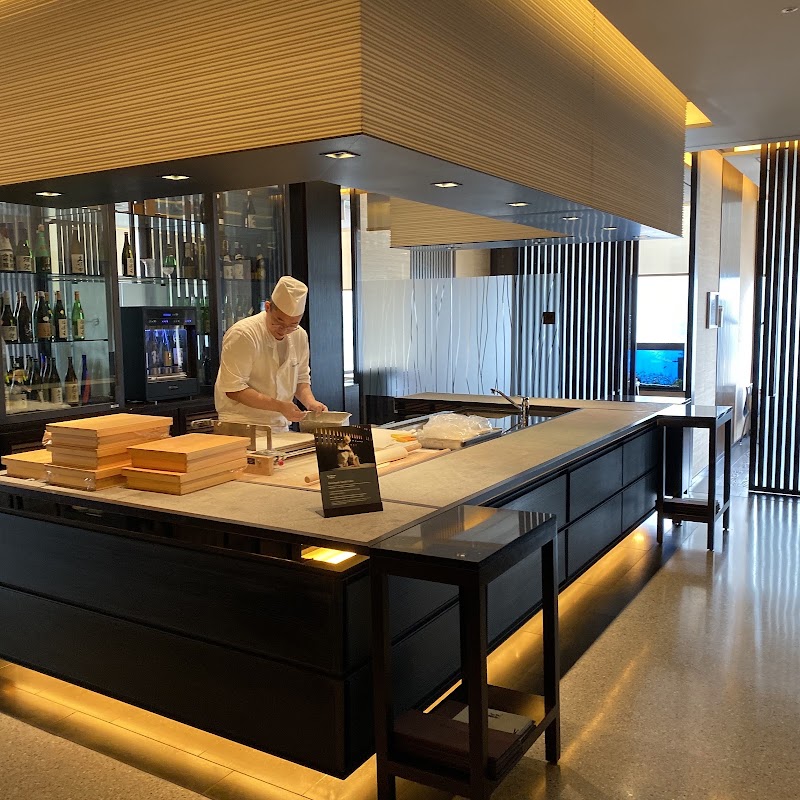
Counter vs grilled-fish sets, kaisen bowls, and how to pick a format.
Hoe is live fish sliced to order and eaten with chojang and lettuce wraps. Sushi is aged fish on rice. They are different meals. Shortlist a hoejip for texture, an oyster bar for Goheung or Tongyeong, or a sushi counter if that is the format you want.
Buy fish on the ground floor, then take it upstairs to a chojang-jip for slicing, sauces, and maeuntang. The fish tag is only half the bill — seating and stew are charged separately. Keep one person at the stall while the fish is cleaned.
Seoul lista actualmente 62 restaurantes de pescado y marisco, ordenados por valoración y volumen de reseñas cuando hay datos.
Usa el mapa y la lista de esta página para comparar ubicaciones en Seoul y abrir fichas con dirección y horarios.
Mira el bloque de categoría «parrilla» para locales con pescado a la parrilla y estilo asador marino.