International · Medium
Beer-Battered Haddock and Chips
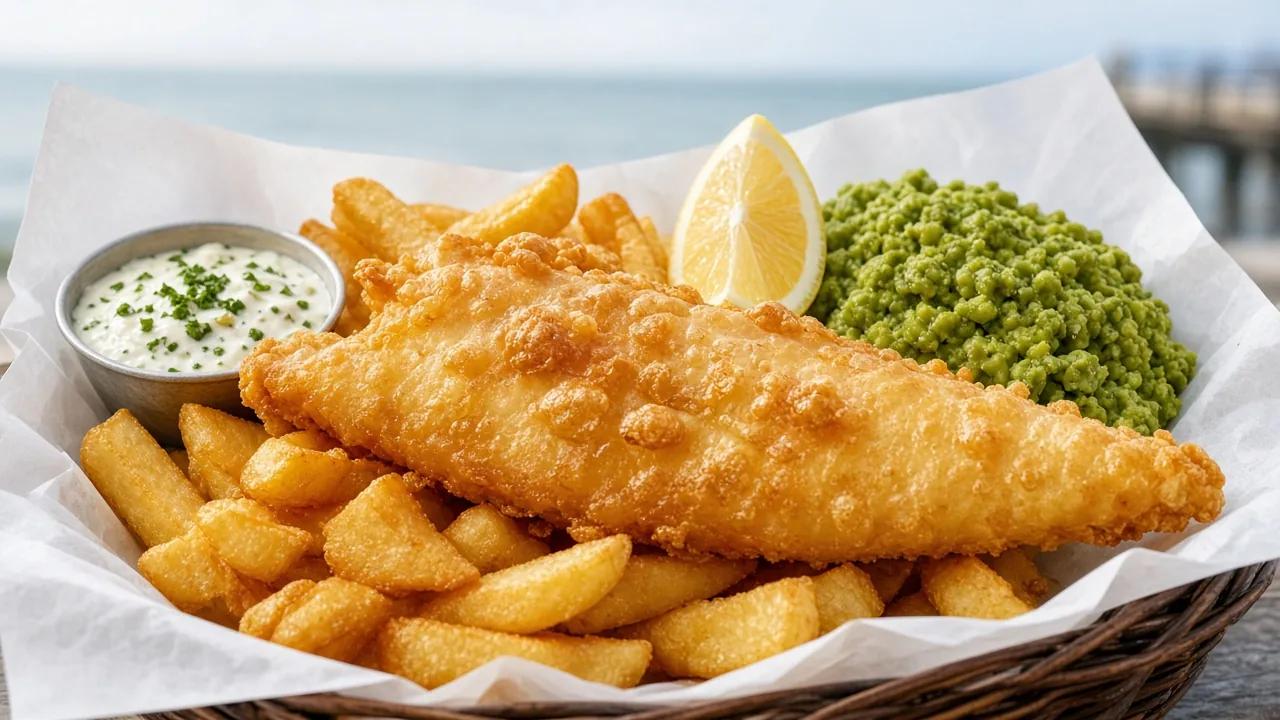
Crisp beer-battered haddock with twice-fried chips (fries), the way the UK chippy does it. Golden, light and flaky.
haddock guide
*Melanogrammus aeglefinus*
Haddock is a North Atlantic white fish from the cod family, loved for its slightly sweet flavour and tender, fine flakes.
slightly sweet; firm yet tender, with a finer flake than cod (NOAA Fisheries) · haddock (US and UK); smoked haddock is "finnan haddie" in Scotland
 Info
Haddock vs cod, taste, types.
Open →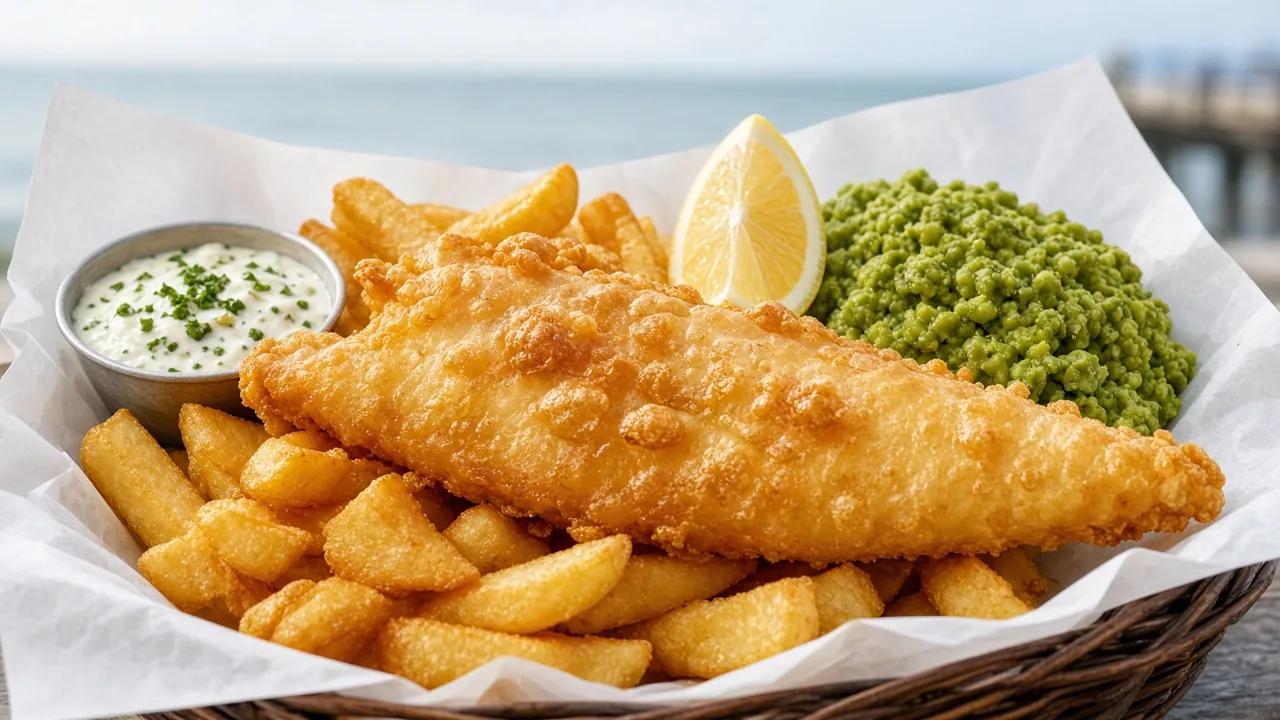 Cook
Battered, baked and more.
Open →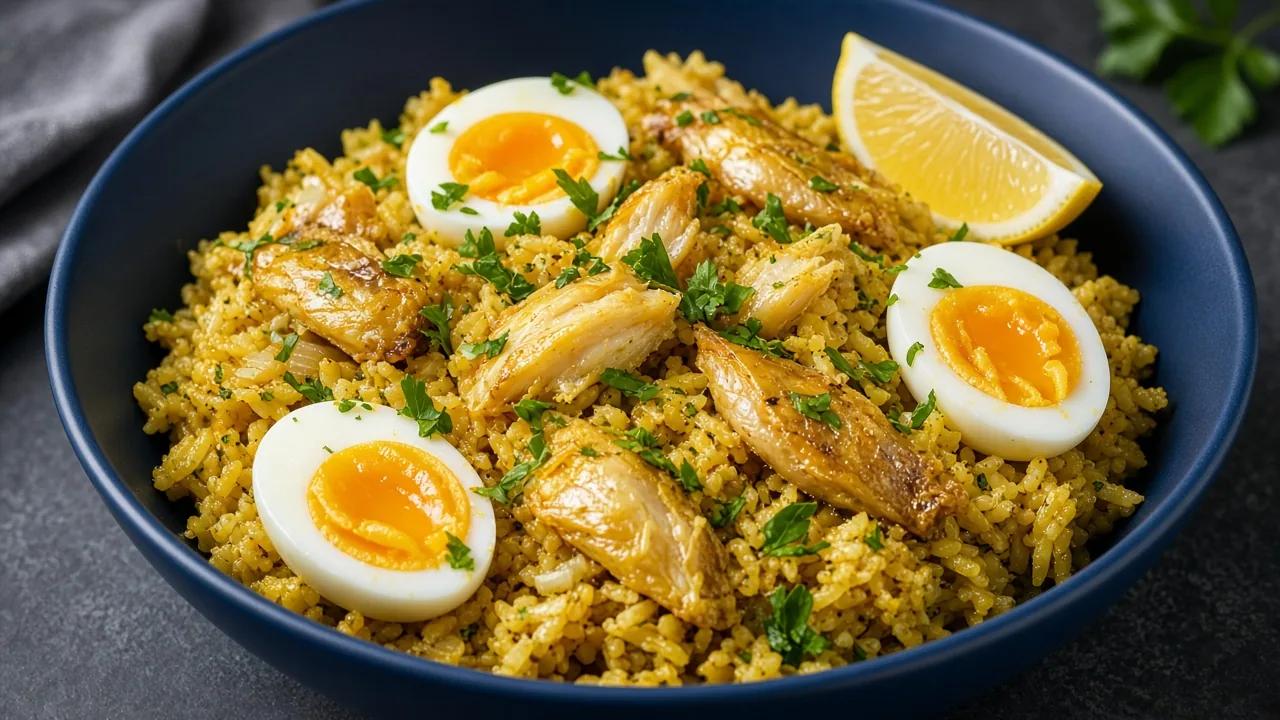 Eat
Haddock on real menus in 13 of our cities.
Open →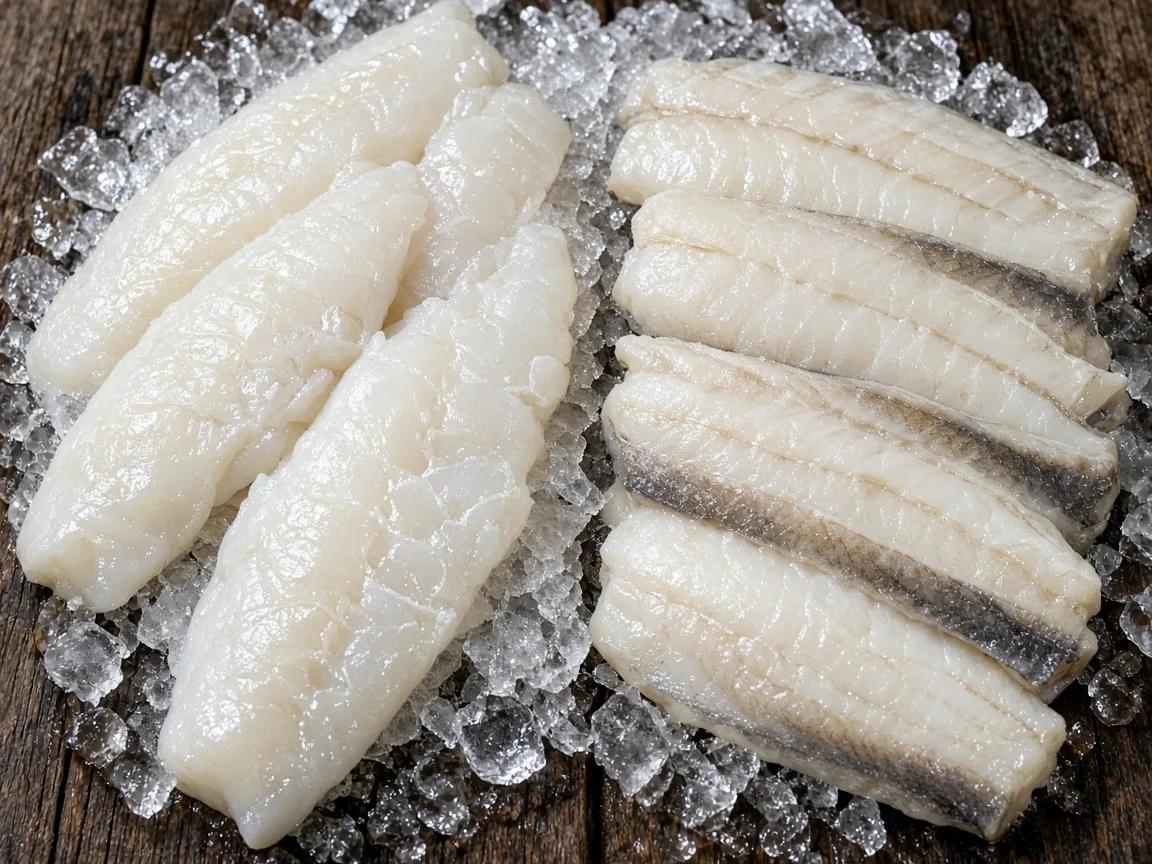 Buy
Fresh, frozen, smoked, markets.
Open →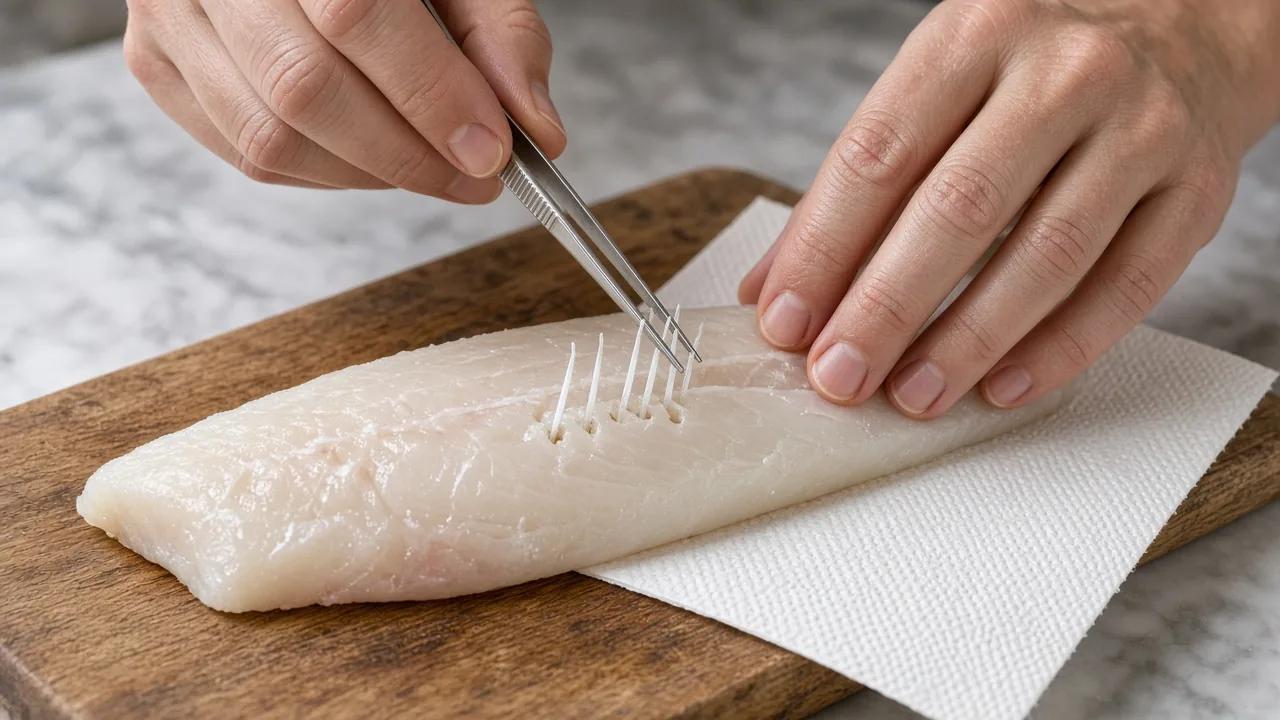 Tips
Pin bones, doneness, mistakes.
Open →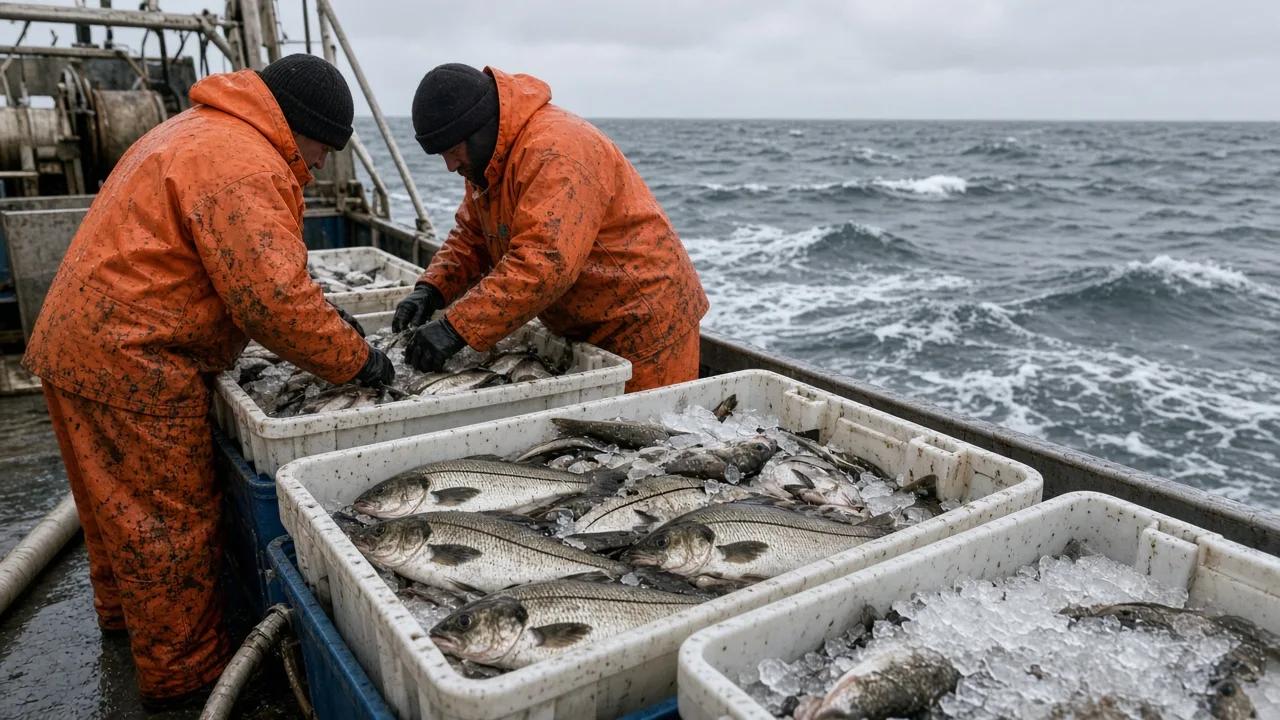 Catch
Fisheries and sustainability.
Open →Ask the Fish Guide about haddock — grounded in this species hub.
Also called
haddock (US and UK); smoked haddock is "finnan haddie" in Scotland
Scientific name
*Melanogrammus aeglefinus*
Family
cod family (Gadidae)
Taste
slightly sweet; firm yet tender, with a finer flake than cod (NOAA Fisheries)
Sabor
slightly sweet; firm yet tender, with a finer flake than cod (NOAA Fisheries)
Hábitat
haddock (US and UK); smoked haddock is "finnan haddie" in Scotland
Recipes
Step-by-step methods from our recipe pages — same hero photos you will see on each dish.
International · Medium
Crisp beer-battered haddock with twice-fried chips (fries), the way the UK chippy does it. Golden, light and flaky.
For cooking at home, see our seafood seasoning.
Haddock is a North Atlantic white fish from the cod family, loved for its slightly sweet flavour and tender, fine flakes.
Buying links may earn a commission. Restaurant listings are editorial — not paid placements in this block.
Catch & season
Species guide
Haddock is a North Atlantic white fish from the cod family, loved for its slightly sweet flavour and tender, fine flakes. On both sides of the Atlantic it is a fish-and-chips favourite: in much of Scotland and the north of England, haddock (not cod) is the fish people expect in a chip shop, and in New England it is a classic for baking and frying.
What is haddock? It is a bottom-living sea fish that belongs to the cod family. It lives on both sides of the North Atlantic. In US waters it is most common on Georges Bank and in the Gulf of Maine, and it prefers depths of about 130 to 500 feet and water colder than 45°F (NOAA Fisheries).
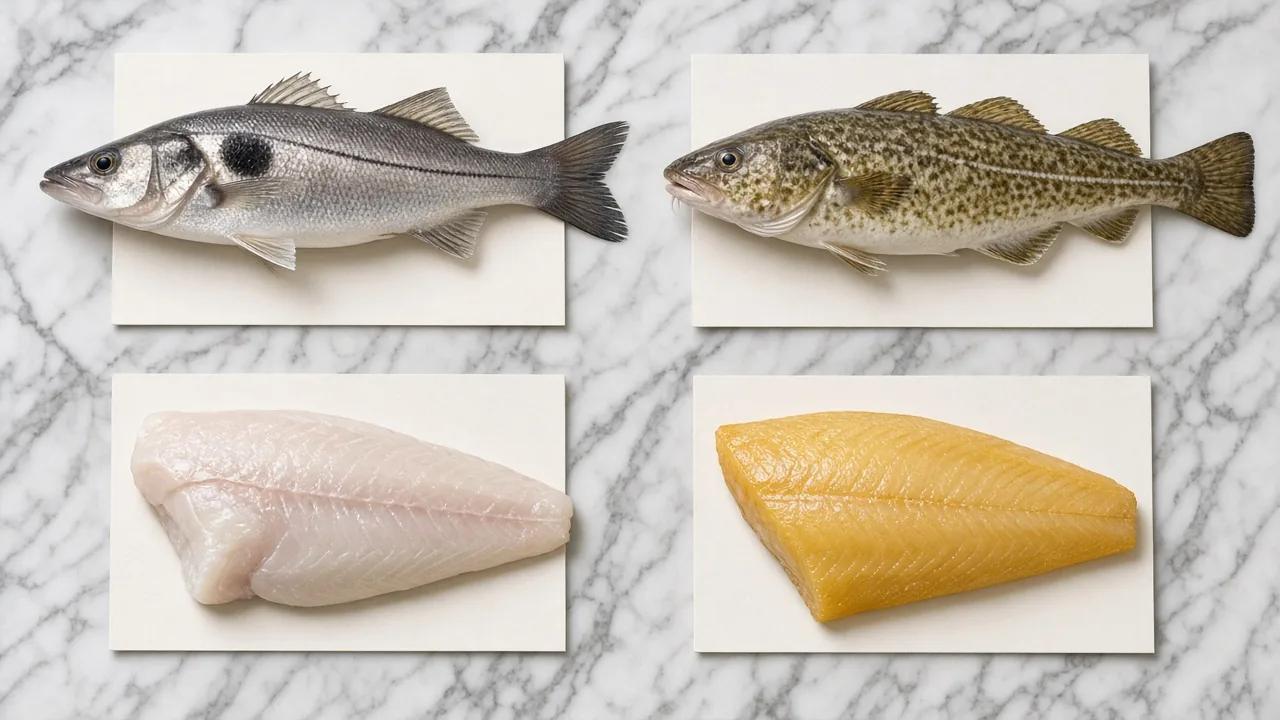
You can spot a haddock by the dark "thumbprint" blotch above each pectoral fin and the black line running along its side. Its skin is less mottled than cod's, and it is a smaller fish. Haddock usually measure 1 to 3 feet and weigh 2 to 7 pounds, and they can live for more than 10 years (NOAA Fisheries).
Haddock is a busy breeder. It spawns from January to June, and an average female releases around 850,000 eggs, with some producing up to 3 million (NOAA Fisheries).
Haddock vs cod is one of the most asked fish questions in both the US and UK. They are close relatives, and you can swap them in most recipes, but there are a few differences:
| Haddock | Atlantic cod | |
|---|---|---|
| Flavour | Slightly sweeter, a little more flavour | Very mild, clean |
| Texture | Finer, more tender flakes | Larger, chunkier flakes |
| Size | Smaller fish, thinner fillets | Larger fish, thicker fillets |
| Look | Dark thumbprint mark and black side line; grey skin | Mottled, greenish-brown skin and pale side line |
| Fish and chips | Favourite in Scotland and northern England | Favourite in much of southern England |
In short: if you want a fish that tastes a little more of the sea, choose haddock. If you want big, chunky flakes, choose cod.
Haddock is mild and slightly sweet, with a clean taste. The flesh is white, lean and firm yet tender, with a finer flake than cod (NOAA Fisheries). It is never oily or strong, so it is a great choice for people who do not like "fishy" fish, and for children.
Smoked haddock tastes completely different: salty, smoky and rich. It is used in Scottish and English dishes like Cullen skink (a smoked haddock soup), kedgeree and fish pie.
Haddock is caught on both sides of the North Atlantic. In the US, wild haddock is available year-round, and it is caught mostly from Maine to New Jersey (NOAA Fisheries). In Europe, it comes from the North Sea, the waters around Scotland, Iceland, the Faroe Islands, Norway and the Barents Sea.
Because it is sold fresh and frozen, you can buy haddock all year on both sides of the Atlantic.
In the US: NOAA Fisheries says US wild-caught haddock is a smart seafood choice because it is sustainably managed and responsibly harvested under US rules. Its 2024 stock assessment found that both US haddock stocks are not overfished.
In the UK: the Marine Conservation Society's Good Fish Guide says haddock is generally a good option. The Best Choices are from the North Sea, West of Scotland and Iceland, while haddock from the Celtic Seas and English Channel are on the Fish to Avoid list. Look for the blue MSC label on packs and ask your chippy where its fish comes from.
Fresh fillets should have:
Storing: keep fresh haddock in the coldest part of the fridge and cook it within a day or two. Frozen fillets should be thawed slowly in the fridge overnight, then patted very dry before cooking, especially for frying.
Haddock is very forgiving and works with almost any cooking method:
How to bake haddock: heat the oven to 400°F (200°C). Lay the fillets in a greased baking dish, brush with melted butter, add salt, pepper and lemon, and top with breadcrumbs if you like.
How long to bake haddock: about 10 to 15 minutes for fillets around 1 inch (2.5 cm) thick. Thin fillets need closer to 10 minutes. It is done when the flesh turns opaque and flakes easily with a fork. The safe minimum cooking temperature for fish is 145°F (63°C) (FoodSafety.gov).
Fish and chips is one of the UK's most loved meals, and haddock is one of the two classic fish for it. Many chip shops in Scotland and the north of England use haddock as standard, and you will also find it in New England fish fries and fish shacks.
Haddock works so well in batter because its fine, tender flakes steam inside the crisp coating while the outside fries. Tips for chip-shop-style results at home:
More recipes for white fish on our site:
Find a great chippy near you on our fish and chips restaurants page, or browse fish restaurants in UK fish-and-chips cities such as Whitby, Edinburgh, Aberdeen and London. In the US, try Boston and Portland, Maine.
Is haddock healthy? Yes. It is one of the leanest fish you can buy. According to USDA FoodData Central (fish, haddock, raw; values per 100 g):
| Nutrient | Amount |
|---|---|
| Calories | 74 kcal |
| Protein | 16.3 g |
| Fat | 0.45 g |
| Cholesterol | 54 mg |
| Selenium | 25.9 µg |
| Vitamin B12 | 1.83 µg |
| Phosphorus | 227 mg |
| Potassium | 286 mg |
The US FDA lists haddock as a "Best Choice" in its advice about eating fish, which means it is lower in mercury and can be eaten two to three times a week. Battering and deep frying add a lot of fat and calories, so baking or poaching is the lighter option.
Part of our North Atlantic white fish guides in the fish and seafood guide hub.
What is haddock? A lean, white North Atlantic fish from the cod family (*Melanogrammus aeglefinus*), with a slightly sweet taste and fine, tender flakes.
Haddock vs cod: which is better? Neither is better; they are just different. Haddock is a little sweeter with finer flakes. Cod is milder with bigger, chunkier flakes. Both make great fish and chips.
How do you bake haddock? Bake fillets at 400°F (200°C) with butter, lemon and seasoning, until the fish is opaque and flakes easily.
How long do you bake haddock? About 10 to 15 minutes at 400°F (200°C), depending on thickness.
Is haddock healthy? Yes. It is very low in fat and high in protein, with selenium and vitamin B12 (USDA FoodData Central). The FDA rates it a Best Choice.
Is haddock a sustainable fish? US wild-caught haddock is a smart seafood choice (NOAA Fisheries). In the UK, choose North Sea, West of Scotland or Icelandic haddock (Marine Conservation Society).
What is smoked haddock? Haddock that has been salted and smoked. Undyed smoked haddock is pale cream; dyed versions are bright yellow. It is used in kedgeree, fish pie and Cullen skink.
Which fish is best for fish and chips? Haddock and cod are the two classics. Haddock is the favourite in Scotland and northern England for its slightly sweeter flavour.
A lean, white North Atlantic fish from the cod family (
Neither is better; they are just different. Haddock is a little sweeter with finer flakes. Cod is milder with bigger, chunkier flakes. Both make great fish and chips.
Bake fillets at 400°F (200°C) with butter, lemon and seasoning, until the fish is opaque and flakes easily.
About 10 to 15 minutes at 400°F (200°C), depending on thickness.
Yes. It is very low in fat and high in protein, with selenium and vitamin B12 (USDA FoodData Central). The FDA rates it a Best Choice.
US wild-caught haddock is a smart seafood choice (NOAA Fisheries). In the UK, choose North Sea, West of Scotland or Icelandic haddock (Marine Conservation Society).
Haddock that has been salted and smoked. Undyed smoked haddock is pale cream; dyed versions are bright yellow. It is used in kedgeree, fish pie and Cullen skink.
Haddock and cod are the two classics. Haddock is the favourite in Scotland and northern England for its slightly sweeter flavour.
Cookies. Essential cookies always run. Analytics and ads need your choice — manage or accept below. Essential cookies run the site. Google Analytics runs by default outside the UK, EEA and Switzerland, and only after you accept it there. Opt out any time in Cookie settings. Ads (Meta, Pinterest) load only with your permission. · Privacy