International · Medium
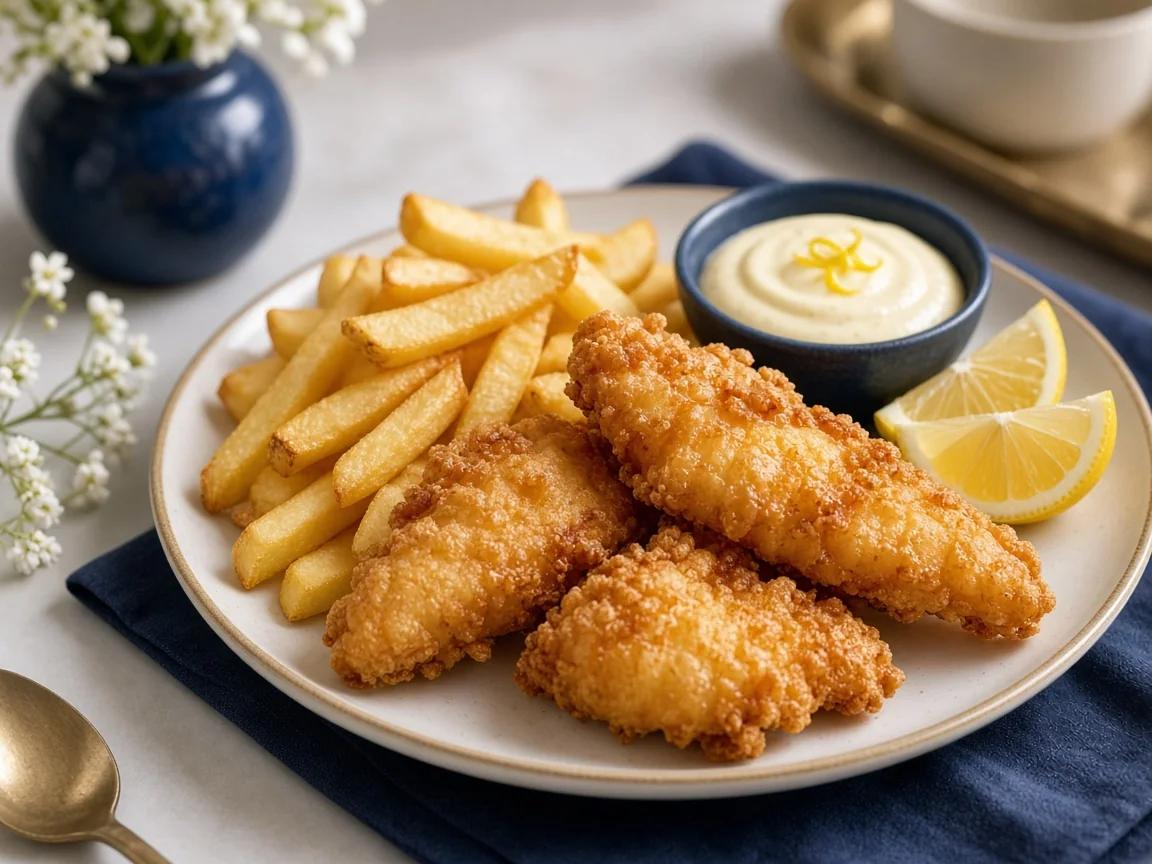
Beer-Battered Flathead Tails with Lemon Aioli
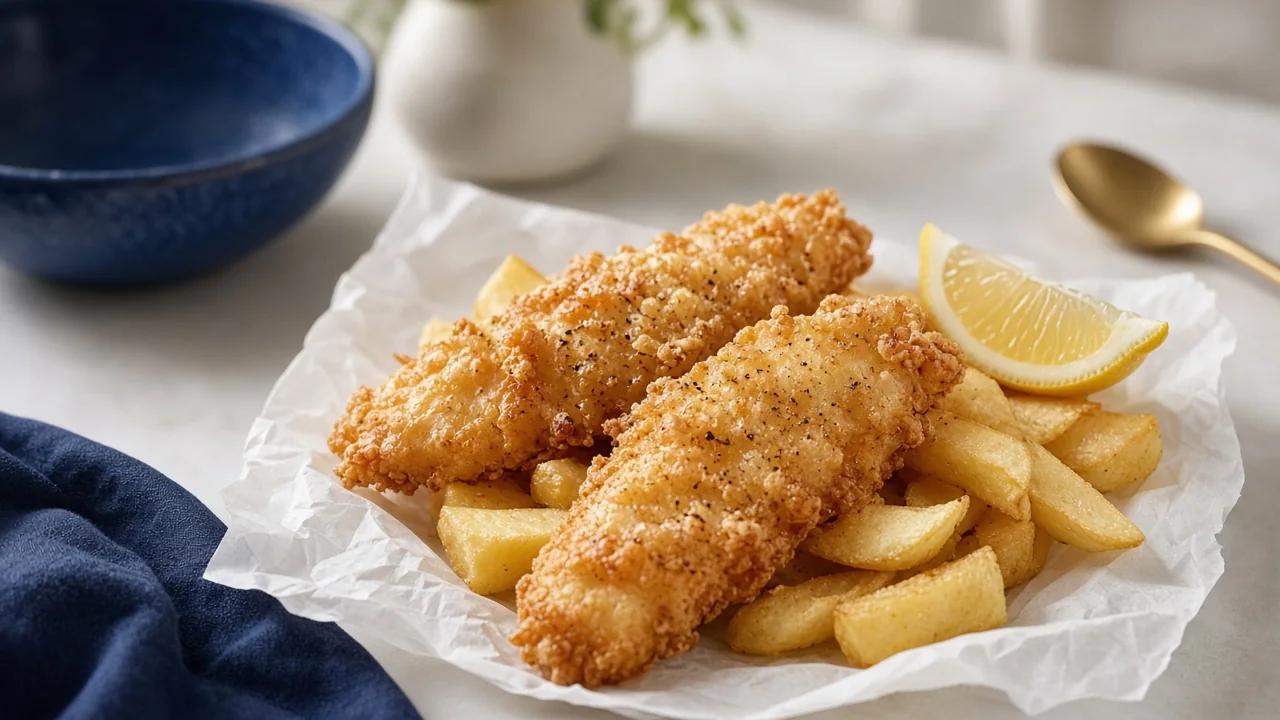
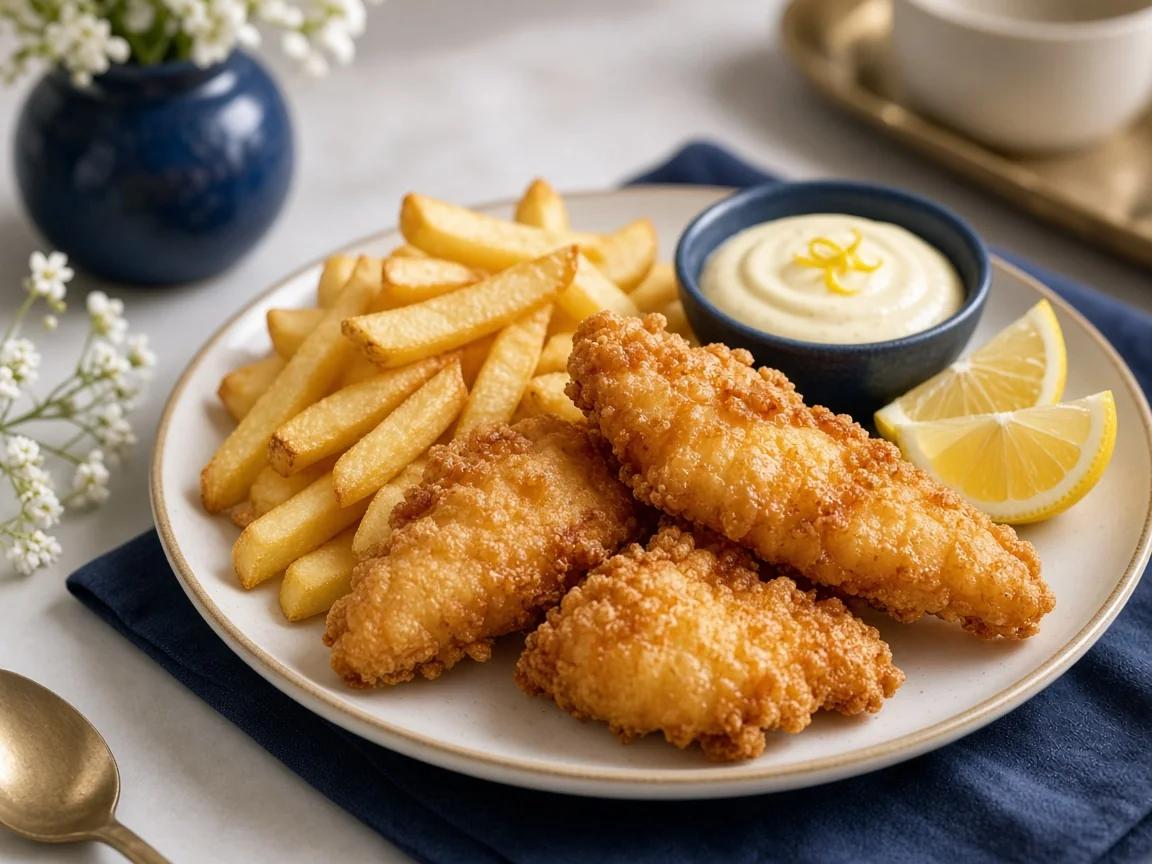
The Aussie fish-and-chip shop classic at home: sweet flathead tails in a light, crisp beer batter, with a zesty lemon aioli for dipping.
flathead guide
dusky flathead (*Platycephalus fuscus*), tiger flathead (*Neoplatycephalus richardsoni*), sand flathead (*Platycephalus bassensis*), bluespotted, marbled and northern sand flathead
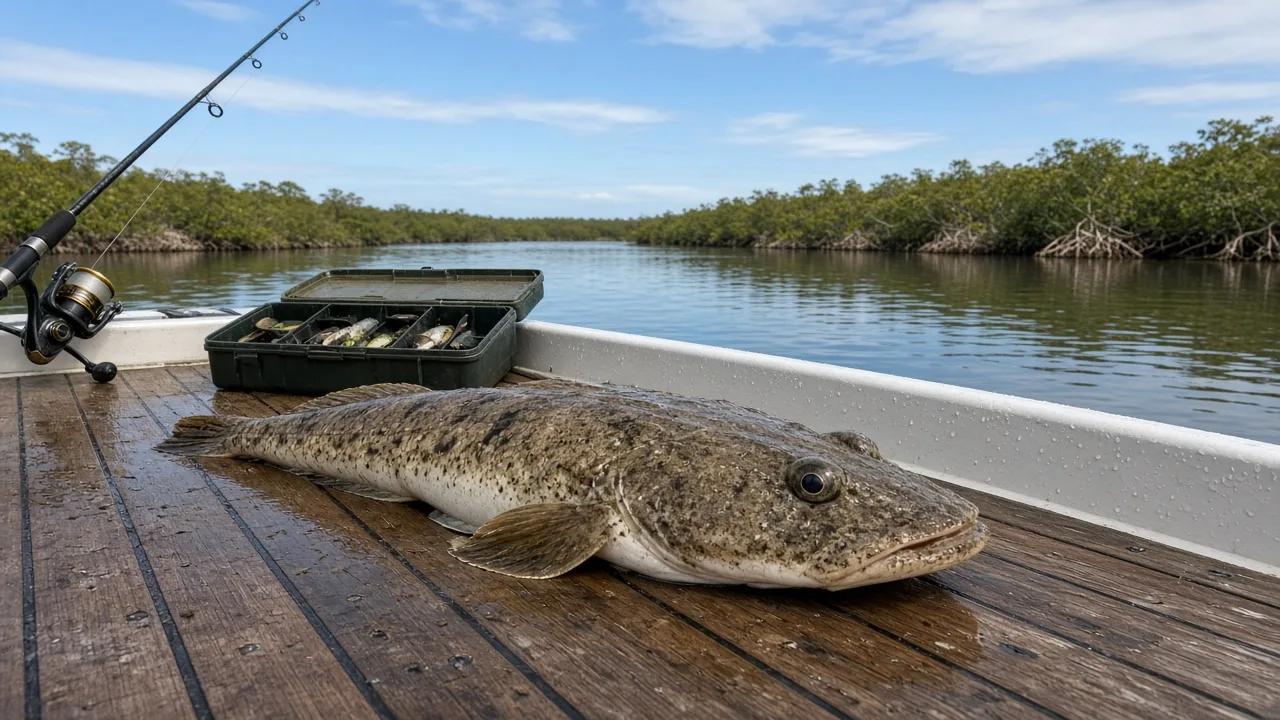
Flathead is an Australian favourite: a bottom-dwelling sea and estuary fish with a wide, flattened head and sweet, firm, white flesh that's perfect for fish and chips.
mild and sweet, with firm, fine, moist white flakes · Platycephalidae (flatheads)
Ask the Fish Guide about flathead — grounded in this species hub.
Family
Platycephalidae (flatheads)
Main species eaten in Australia
dusky flathead (*Platycephalus fuscus*), tiger flathead (*Neoplatycephalus richardsoni*), sand flathead (*Platycephalus bassensis*), bluespotted, marbled and northern sand flathead
Where it lives
sandy and muddy seabeds of bays, estuaries and continental shelf waters around Australia, especially the south-east
Taste
mild and sweet, with firm, fine, moist white flakes
Sabor
mild and sweet, with firm, fine, moist white flakes
Hábitat
Platycephalidae (flatheads)
Recipes
Step-by-step methods from our recipe pages — same hero photos you will see on each dish.
International · Medium
The Aussie fish-and-chip shop classic at home: sweet flathead tails in a light, crisp beer batter, with a zesty lemon aioli for dipping.
Flathead is an Australian favourite: a bottom-dwelling sea and estuary fish with a wide, flattened head and sweet, firm, white flesh that's perfect for fish and chips.
Buying links may earn a commission. Restaurant listings are editorial — not paid placements in this block.
Catch & season
Species guide
Flathead is an Australian favourite: a bottom-dwelling sea and estuary fish with a wide, flattened head and sweet, firm, white flesh that's perfect for fish and chips. It's one of the most caught fish by Australian recreational anglers and one of the most popular fish in Australian fish shops, especially as crumbed or battered "flathead tails".
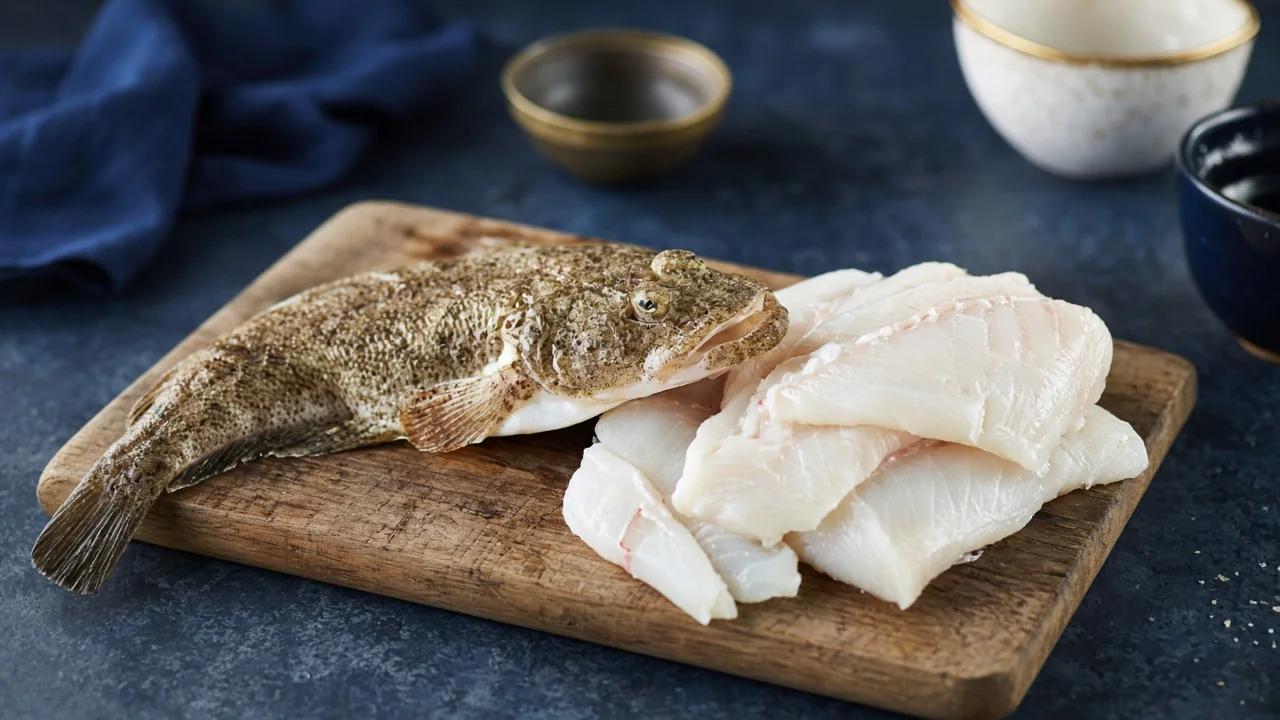
Flatheads are long, tapering fish with broad, flattened heads and eyes on top. They lie half-buried in sand or mud, perfectly camouflaged, waiting to ambush small fish, prawns and crabs. There are many species around Australia, ranging from small sand flathead to big dusky flathead, the largest, which can grow to more than a metre long (Sydney Fish Market; FRDC).
The main commercial species is tiger flathead, caught by trawlers in the waters off New South Wales, Victoria and Tasmania as part of the Southern and Eastern Scalefish and Shark Fishery. Dusky flathead is mostly caught by recreational anglers in estuaries along the east coast, and sand flathead is a classic catch for families fishing in Port Phillip Bay and Tasmania.
| Species | Where | Notes |
|---|---|---|
| Dusky flathead | East coast estuaries, Queensland to Victoria | Largest; prized by anglers; size and bag limits apply |
| Tiger flathead | South-east continental shelf (NSW, Vic, Tas) | Main commercial species; orange-brown spots |
| Sand flathead | Southern bays (Port Phillip Bay, Tasmania) | Smaller; popular with recreational anglers |
| Bluespotted flathead | South-east waters | Similar to sand flathead; good eating |
| Northern sand flathead | Eastern and northern estuaries | Smaller estuary species |
All have similar sweet, white flesh, and fish shops often simply sell "flathead fillets" or "flathead tails".
Flathead has a mild, sweet, clean flavour, with firm, fine, moist white flesh that holds together well in the pan and in batter. It isn't oily or strong-tasting. Many Australians rate it as one of the best-eating fish in the country, especially fresh off the boat. Compared with other fish:
Flathead have sharp spines on their gill covers (at the sides of the head) and on the first dorsal fin. A spike can cause a painful wound that stays sore for a long time, and some anglers react badly to it. To handle a flathead safely:
How to fillet flathead: flathead has a simple bone structure, so it's easy to fillet once you know the trick. You need a sharp, flexible filleting knife.
Leave a little meat on the tail section to cook "flathead tails", a classic Australian cut.
How to cook flathead: it's versatile, but its firm, sweet flesh is at its best fried. Cook until the flesh is opaque and flakes easily, or 63°C (145°F) in the thickest part (FoodSafety.gov).
The Aussie fish-and-chip shop classic. See the recipe below.
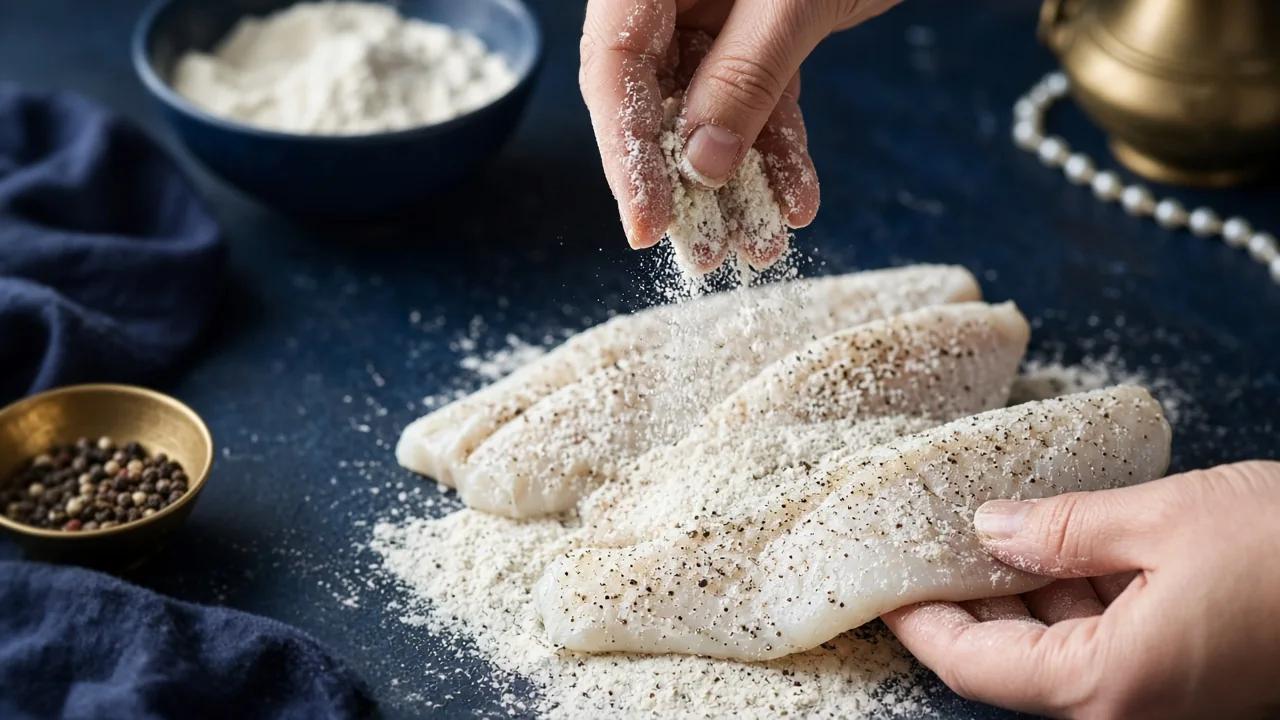
Coat fillets in flour, beaten egg and panko or fine breadcrumbs, and shallow-fry in oil for 2 to 3 minutes per side.
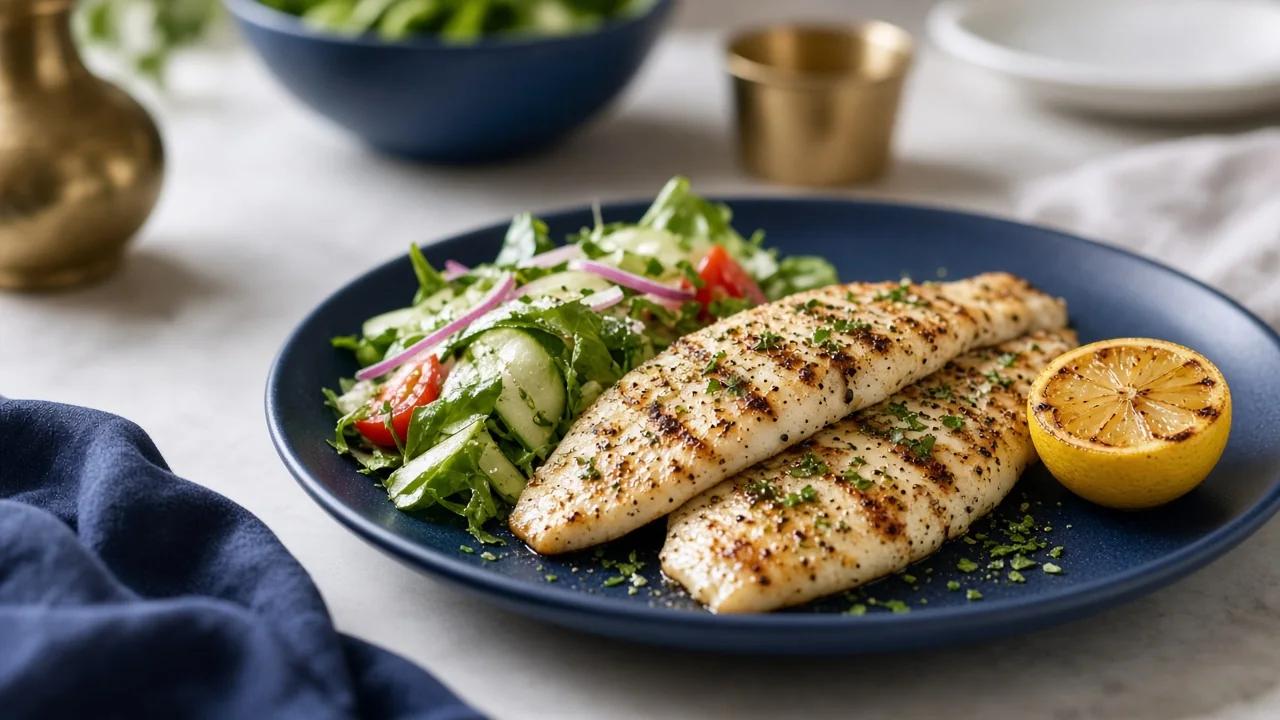
Dust skinned fillets in seasoned flour and pan-fry in butter and oil for 2 minutes per side. Finish with lemon, capers and parsley.
Brush skin-on fillets or whole small fish with oil, season, and cook on a hot barbecue plate for 2 to 4 minutes per side.
Fry, grill or blacken the fillets, then flake them into tortillas with slaw, avocado and lime. For a spicy crust, see our blackened seasoning guide.
| Fish | Flavour | Texture | Best for |
|---|---|---|---|
| Flathead | Mild, sweet | Firm, fine flakes | Fish and chips, crumbed, pan-fried |
| Barramundi | Mild, buttery | Firm, large flakes | Crispy-skin pan-frying, baking |
| King George whiting | Very sweet, delicate | Soft, fine | Light batter, pan-frying |
| Snapper | Sweet, clean | Firm, moist | Whole roasting, grilling |
| Kingfish | Rich, buttery | Firm, meaty | Sashimi, grilling |
Keep fresh flathead fillets in the coldest part of the fridge, covered, and cook them within 1 to 2 days. To freeze, wrap fillets tightly in plastic wrap and then foil or a freezer bag, pressing out the air, and use them within 3 months. If you catch your own, put the fish on ice straight away: chilling it fast is the single biggest thing you can do for flavour and texture.
Flathead is part of Australian family life. For generations, children have learned to fish by dropping a line off a jetty or a tinny in an estuary and pulling up flathead and whiting. "Flatty" is the fish many people catch first, and it's the fish they remember cooking that night. In Victoria and Tasmania, sand flathead from the bays is a summer holiday staple. On the New South Wales and Queensland coasts, landing a big dusky flathead is a proud moment, though many anglers now release the biggest fish, which are breeding females.
In fish shops, flathead has long been one of the most popular choices for fish and chips, alongside whiting, snapper and barramundi. Its firm, sweet flesh and lack of strong flavour make it a perfect match for crisp batter, salt and lemon.
Australian flathead stocks are generally considered well managed. Tiger flathead in the Commonwealth trawl fishery is assessed as sustainable, and dusky flathead is managed by state rules on size and bag limits (Status of Australian Fish Stocks, FRDC). Recreational anglers must follow their state's rules, which often include a minimum size and a maximum size (to protect the big breeding females) for dusky flathead. Check your state fisheries website before fishing.
Flathead is a lean white fish, high in protein and low in fat, with small amounts of omega-3. USDA FoodData Central doesn't include flathead, so we don't give exact figures here. Like other white fish, it's a healthy choice when baked, grilled or pan-fried, while deep-frying adds fat and calories.
Our step-by-step recipe, with a photo for every step:
More seafood recipes on our site that use the same techniques:
Every recipe on this page works with our ready-made regional spice blends. For flathead, try Moroccan Chermoula, part of our 10-blend World Seafood Spice Pack. Each blend is a complete seasoning: warm a spoonful in oil or butter, add your seafood, and cook.
Prefer someone else to cook? Browse our fish and chips restaurants or find the best fish restaurants in Sydney, Brisbane, Gold Coast, Adelaide.
Part of our Australian seafood guides in the fish and seafood guide hub.
What is flathead? A bottom-dwelling Australian fish with a flattened head and sweet, firm, white flesh. Dusky, tiger and sand flathead are the main species eaten.
How do you fillet a flathead? Cut behind the head down to the backbone, run a flexible knife along the bone to the tail to lift the fillet, repeat on the other side, then skin it and remove the pin bones.
How do you cook flathead? Beer-batter and deep-fry it, crumb and shallow-fry it, pan-fry it in butter, or barbecue it for 2 to 4 minutes per side.
What does flathead taste like? Mild and sweet, with firm, fine, moist white flakes. It isn't oily or fishy.
Is flathead a good eating fish? Yes. Many Australians rate it among the best-eating fish in the country.
Are flathead spines poisonous? The spines on the gill covers can cause a very painful wound. Handle flathead carefully with gloves or a fish grip.
What are flathead tails? Small flathead fillets cut with the tail section attached, usually crumbed or battered for fish and chips.
Is flathead sustainable? Australian flathead stocks are generally well managed. Follow state size and bag limits if you catch your own.
A bottom-dwelling Australian fish with a flattened head and sweet, firm, white flesh. Dusky, tiger and sand flathead are the main species eaten.
Cut behind the head down to the backbone, run a flexible knife along the bone to the tail to lift the fillet, repeat on the other side, then skin it and remove the pin bones.
Beer-batter and deep-fry it, crumb and shallow-fry it, pan-fry it in butter, or barbecue it for 2 to 4 minutes per side.
Mild and sweet, with firm, fine, moist white flakes. It isn't oily or fishy.
Yes. Many Australians rate it among the best-eating fish in the country.
The spines on the gill covers can cause a very painful wound. Handle flathead carefully with gloves or a fish grip.
Small flathead fillets cut with the tail section attached, usually crumbed or battered for fish and chips.
Australian flathead stocks are generally well managed. Follow state size and bag limits if you catch your own.
Cookies. Essential cookies always run. Analytics and ads need your choice — manage or accept below. Essential cookies run the site. Google Analytics runs by default outside the UK, EEA and Switzerland, and only after you accept it there. Opt out any time in Cookie settings. Ads (Meta, Pinterest) load only with your permission. · Privacy