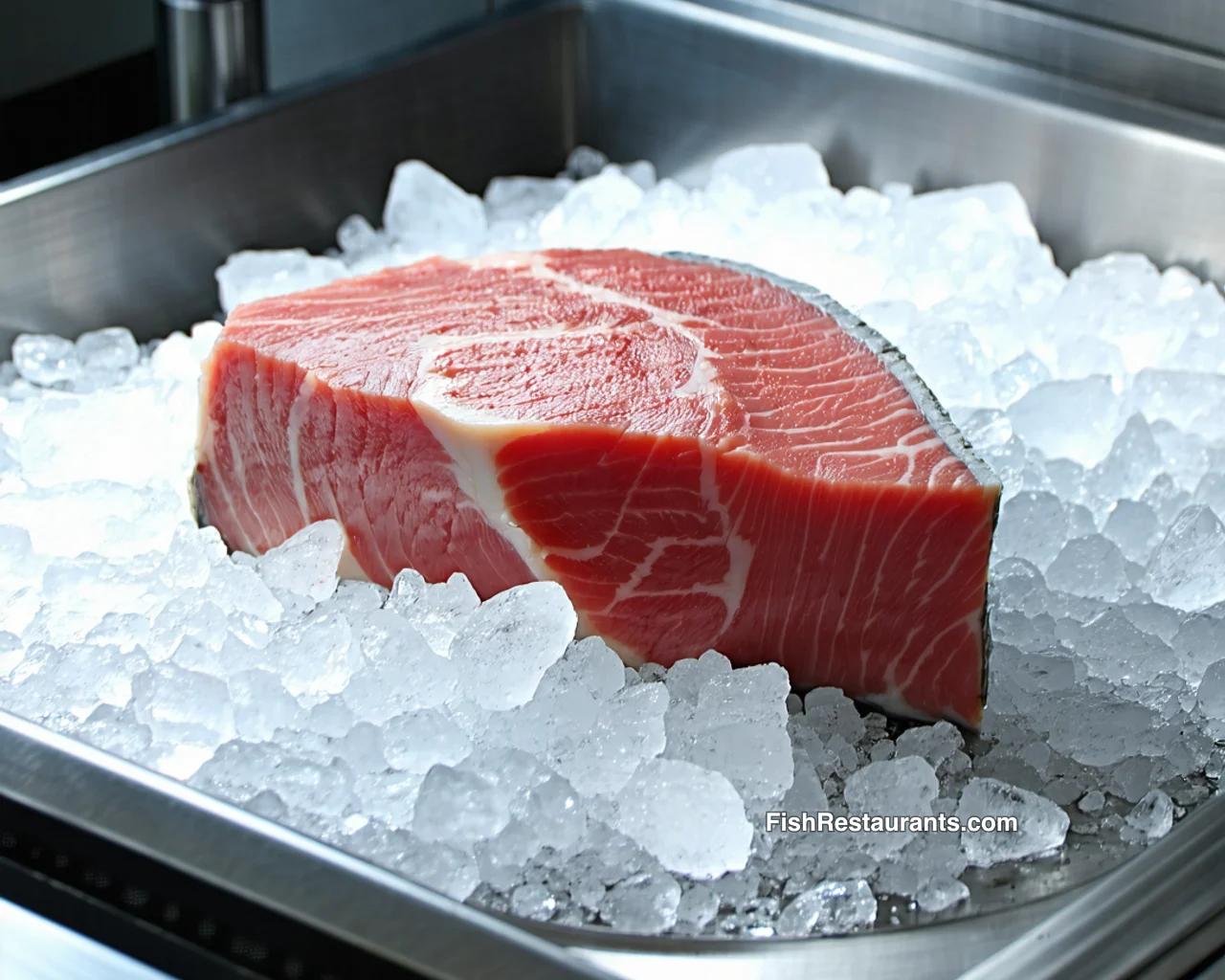
Cooking does not destroy histamine that built up in mishandled tuna, mackerel, and related fish. Heat kills bacteria but leaves the toxin that causes scombroid poisoning.
The peppery tingle on “bad tuna” is often histamine, not psychosomatic skepticism. Restaurants train staff on time–temperature logs for a reason.
This piece explains what home cooks must know; species handling details sit on the tuna hub and Atlantic mackerel hub.
How histamine forms
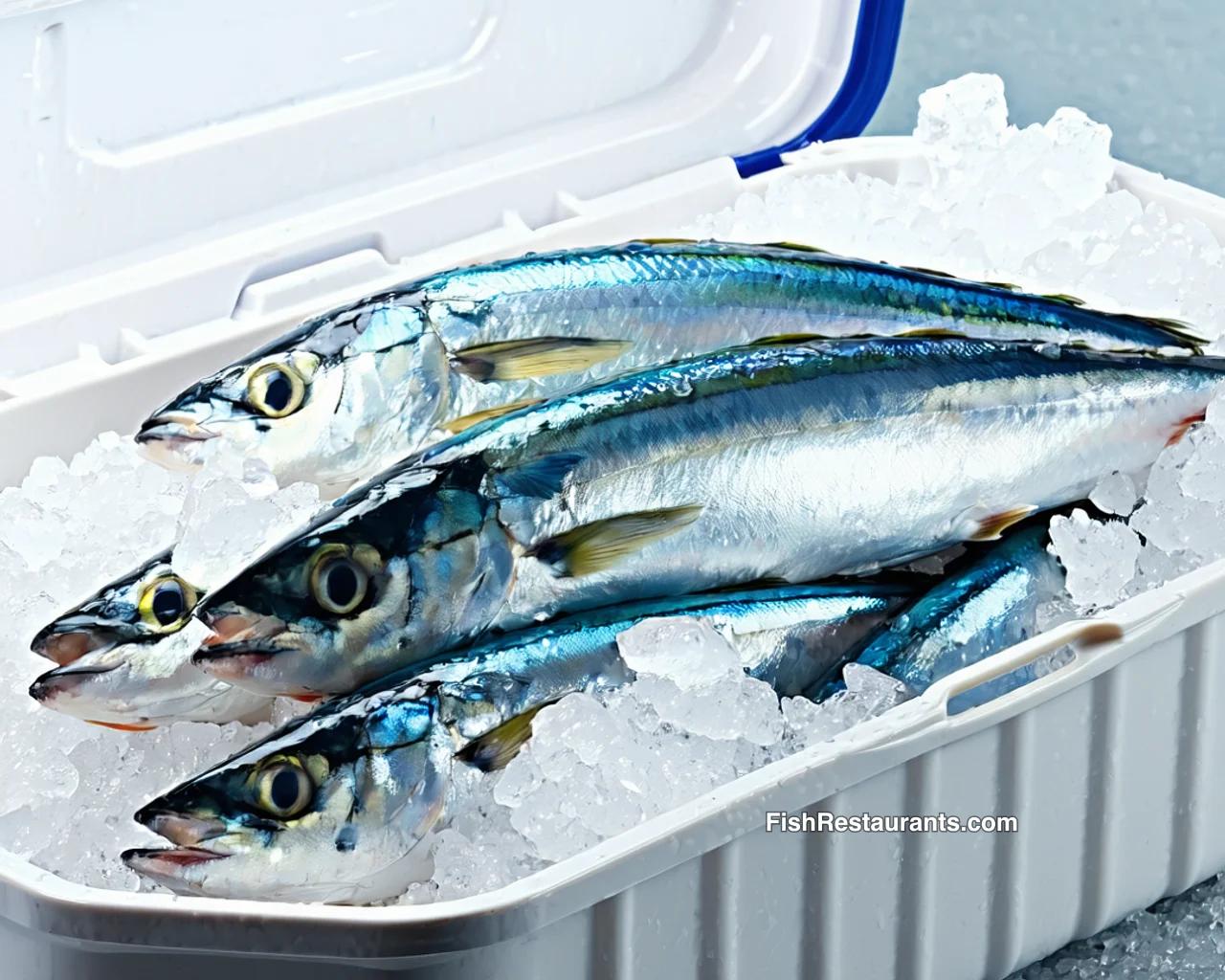
Certain fish carry bacteria on gills and gut that convert histidine in flesh to histamine when fish warm up. The reaction can continue after death if ice is slow or interrupted.
| Signal at purchase | Likely meaning |
|---|---|
| Sharp, metallic aroma | Possible histamine accumulation |
| Honeycomb flesh on tuna | May be fine—smell decides, not color alone |
| Glistening yet warm tray | Time–temperature abuse |
| Ammonia edge | Discard—beyond scombroid question |
Histamine is heat-stable. Canning, grilling, and stewing do not neutralize it.
Symptoms versus allergy
Scombroid reactions often hit fast—flushing, headache, peppery mouth, sometimes hives. They resemble allergy but track to a specific meal that smelled “off-hot,” not to all fish forever.
Medical professionals diagnose; this article is not clinical advice. If symptoms are severe, seek care.
Prevention beats any kitchen fix
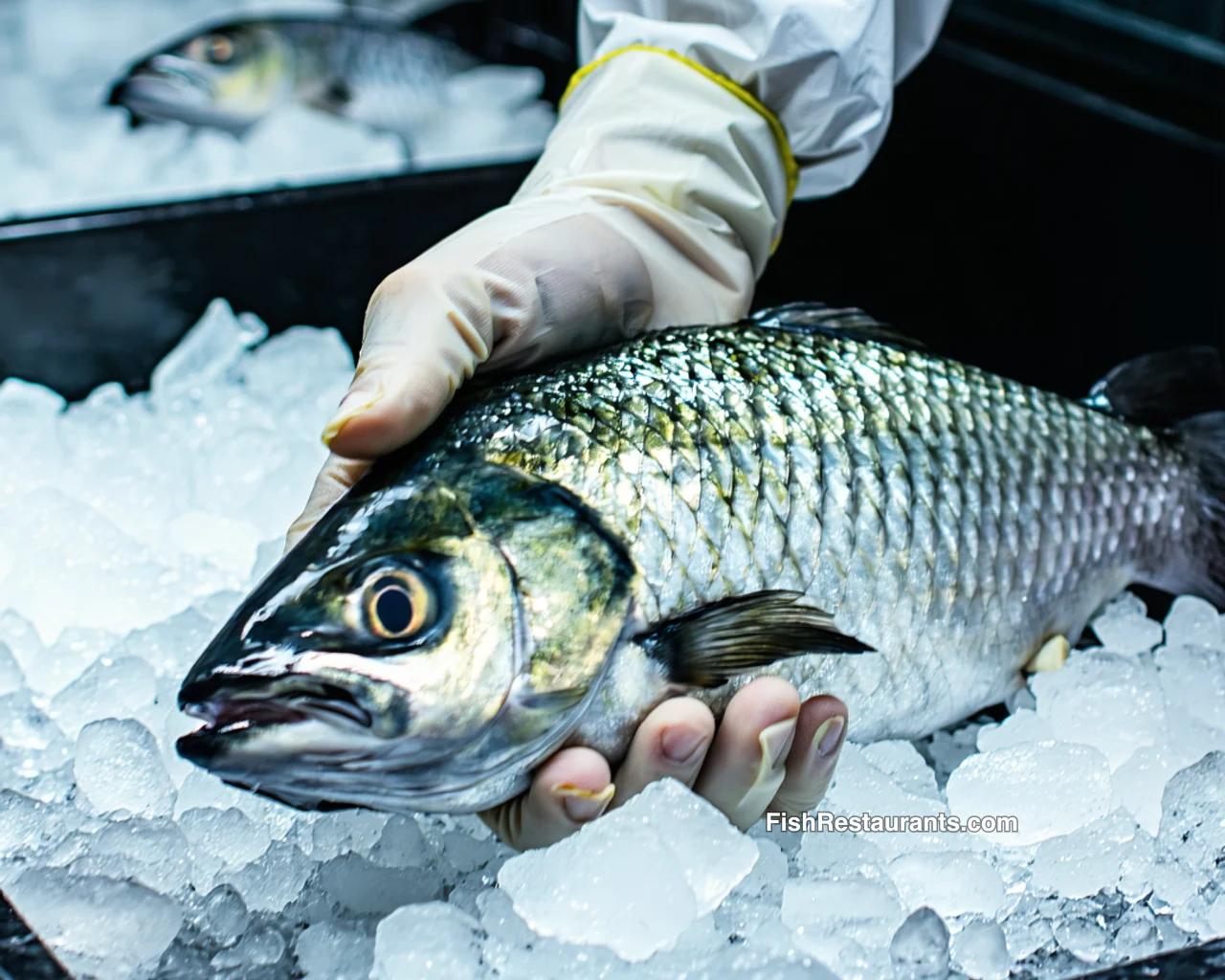
Buy from counters that hold fish on ice, not puddled meltwater. Shop last before checkout, bag with ice packs, refrigerator immediately.
Never leave tuna steaks in a hot car while you run other errands. Break large loins into shallow containers so the center chills within hours, not tomorrow.
Cooking guidance still matters—for other risks
While histamine survives heat, thorough cooking still matters for parasites and general food safety on other species. The issue is unique: you cannot cook away histamine.
When preparing low-histamine meals for sensitive guests, freshness and cold chain are the only reliable controls—no recipe trick substitutes.
Restaurant logs you never see
Receivers log landed time, ice weight, and storage temperature for tuna and mackerel. Breaks in that chain create histamine before the fish reaches your pan. Home cooks inherit risk when buying repackaged steaks with vague timestamps.
Ask the counter when the loin was thawed for display. Same-day cut from a chilled loin beats steaks that sat under lamps.
Cooking still protects against other hazards
Separate boards, prompt refrigeration, and full cooking to safe internal temperature still matter for bacteria in fresh mishandled fish.
Histamine is the exception where heat fails—keep that distinction clear when teaching kitchen staff or teens cooking alone.
FAQ
Is canned tuna safe?
Commercial canning uses controlled sourcing; problems are rare but not impossible with damaged cans. Smell after opening.
Does freezing prevent histamine?
Freezing slows bacteria but does not remove histamine already formed. Do not refreeze warm fish hoping for a reset.
Are histamine levels regulated at retail?
Enforcement varies by country; your nose and a reputable seller remain the practical filter.
Can I wash histamine out of fish?
No. Discard affected product.
Where to read about tuna labels?
Use the tuna guide for species names and freshness cues without duplicating the full market checklist here.