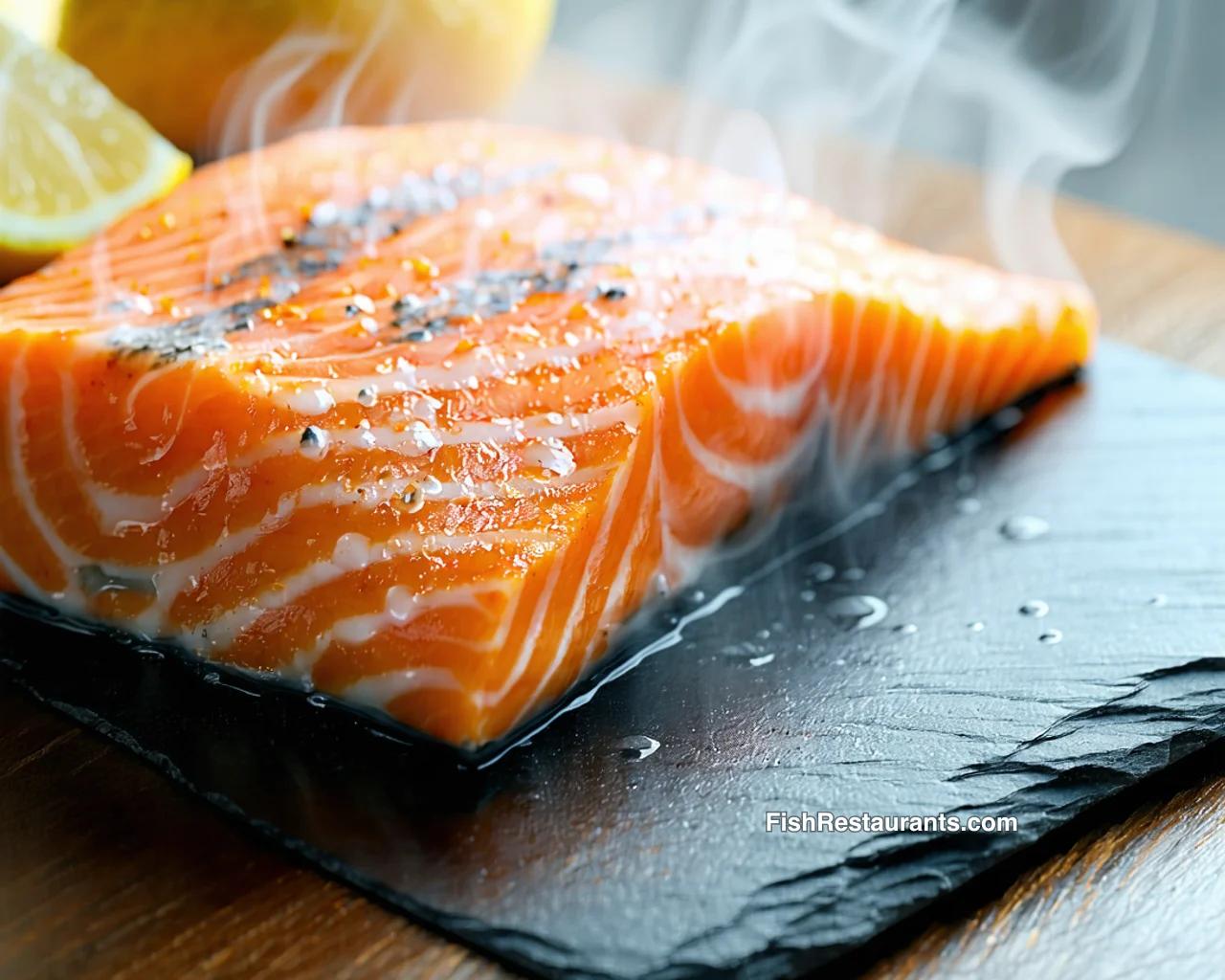
The white material on cooked salmon is albumin—a water-soluble protein that squeezes to the surface when heat tightens muscle fibers. It is not mold, added fat, or a sign that the fish went bad.
You plated a gorgeous fillet and noticed chalky ribbons along the seams. Guests ask whether it is safe. It is.
Albumin tastes neutral and carries no risk; it just looks restaurant-inconsistent on camera.The salmon hub covers buying and doneness; here we focus on why the white film appears and how cooks limit it.
What albumin actually is
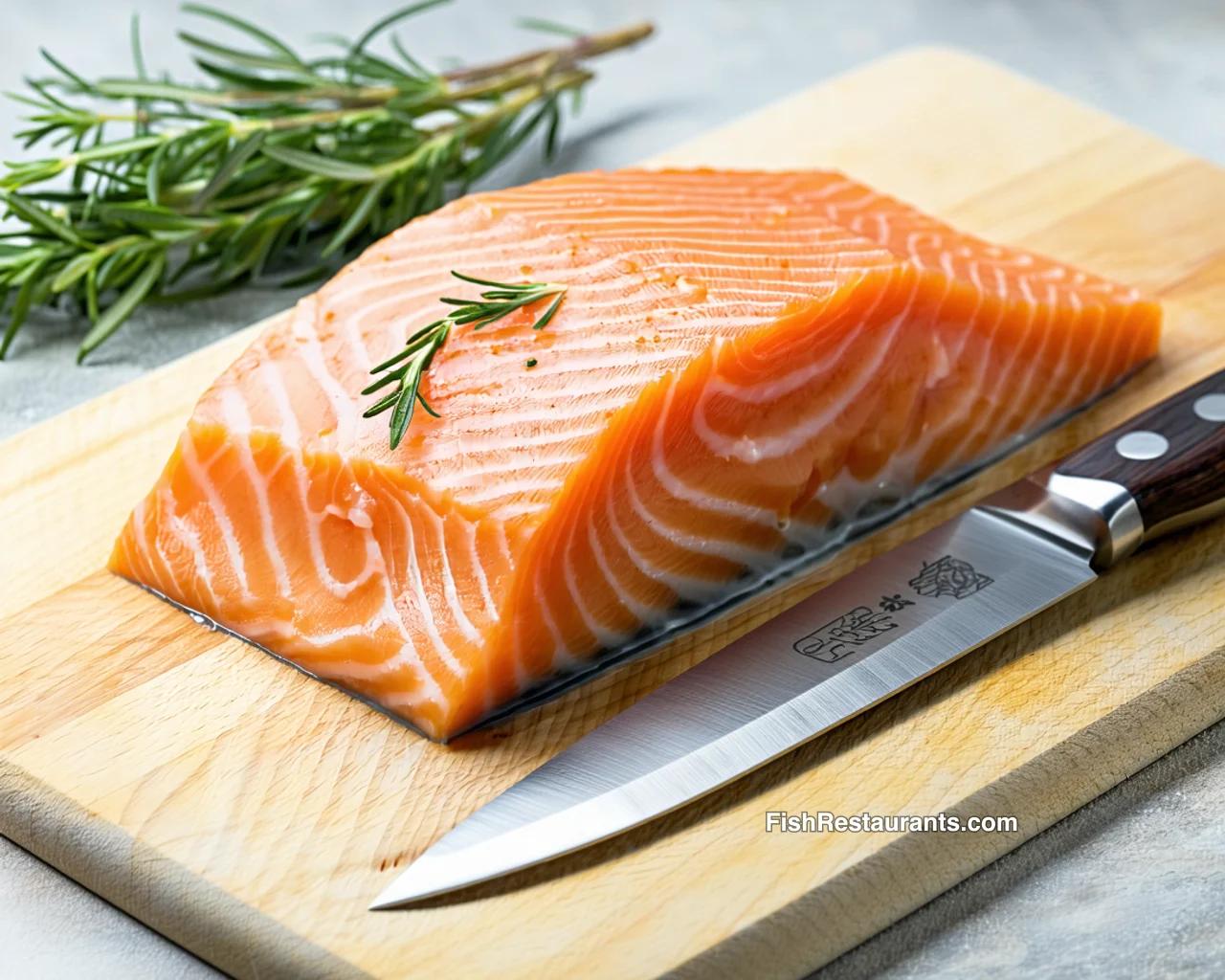
Salmon, like other muscular fish, stores proteins dissolved in moisture. As temperature climbs past roughly 50 °C, those proteins coagulate—same family of change that turns egg whites solid.
Pressure from shrinking muscle pushes some of that protein out along the flake edges.
Farm-raised salmon often shows more albumin because fat lines and moisture channels differ from wild fish. Neither source is “worse”; the visual varies by cut and heat.
| Factor | More white albumin | Less visible albumin |
|---|---|---|
| Heat level | High grill, roaring skillet | Gentle bake, moderate poach |
| Doneness | Well-done, dry edges | Medium, slightly translucent center |
| Prep | Bone-dry surface over-cooks outside first | Brief brine, rested fillet |
| Cut | Tail pieces with thin taper | Even center-cut thickness |
Reduce albumin without undercooking salmon
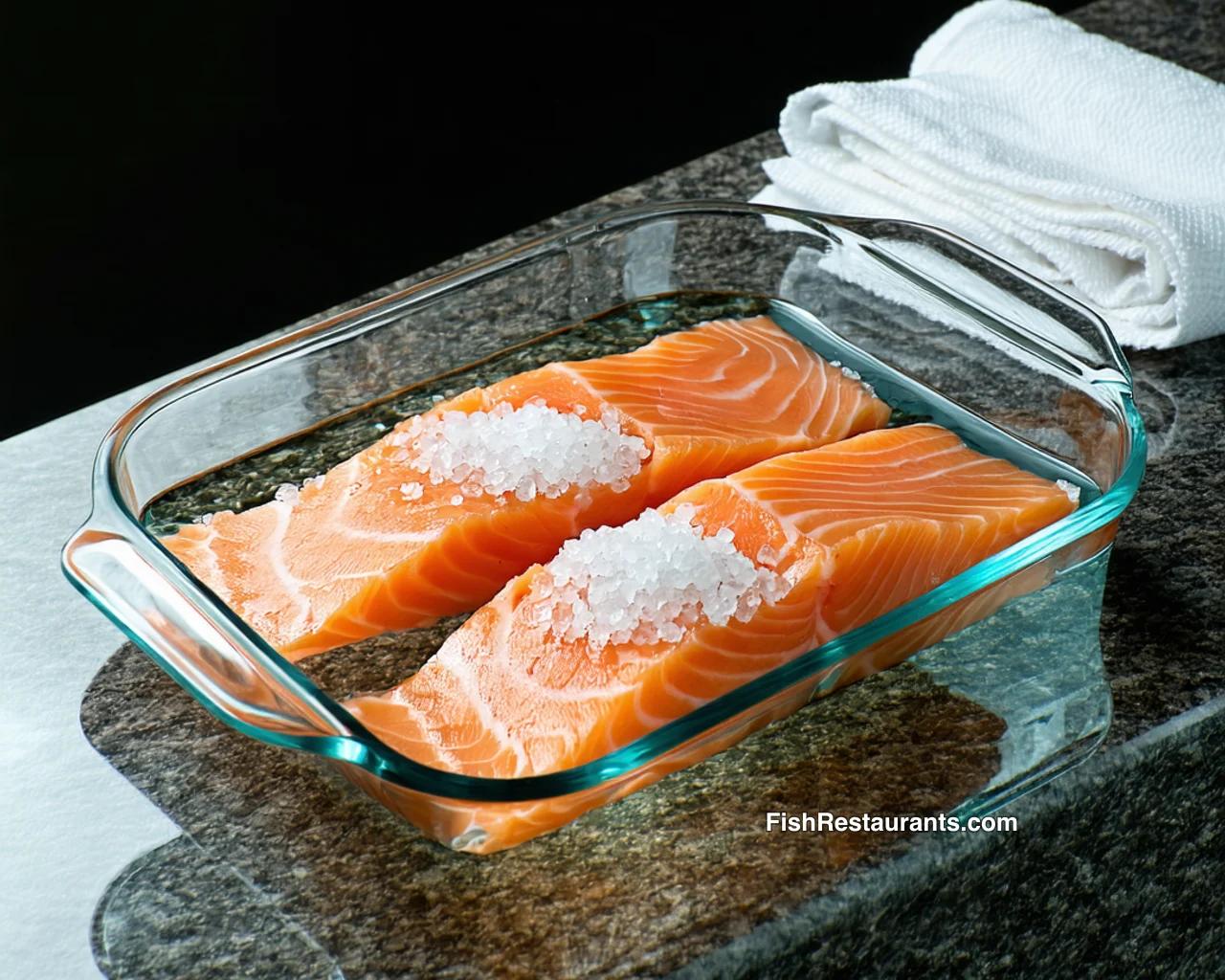
Short salt brine: Ten minutes in lightly salted cold water, then thorough drying, keeps surface proteins from clumping as aggressively.
Even thickness: Butt thinner tail sections under the thicker belly on skewers or fold under on the grill so heat rises uniformly.
Lower peak heat, finish by temperature: Pull salmon at 48–50 °C in the thickest part; carryover brings it to a juicy 52–55 °C without squeezing the muscle dry.
Scraping albumin with a knife after resting is fair game for photography plates—flavor stays in the flesh.
When white stuff is NOT albumin
Milky slime on raw fish can signal breakdown—different from cooked albumin. Fuzzy white on refrigerated leftovers is mold; discard. If cooked salmon smells sour or the white layer feels gritty, trust your nose over any article.
Serving and leftovers
Albumin may look thicker after refrigeration because gelled proteins set up. Reheat gently covered, or flake salmon into salads where appearance matters less than moisture.
FAQ
Is albumin safe to eat?
Yes. It is normal cooked protein.
Does albumin mean I overcooked salmon?
Often, but not always. Even properly cooked fish can show a little white at the edges—especially on the grill.
Do lemon or acid prevent albumin?
Acid marinades change texture more than albumin volume. Gentle heat matters more than citrus.
Why does my wild salmon show less white?
Muscle structure and fat vary by species and run; comparisons are approximate.
Need doneness numbers for service?
Cross-check internal temps and buying tips on the salmon guide—linking there instead of repeating the full freshness checklist here.
Grill marks without the white blanket
Direct flame looks stunning on salmon skin, but the hottest zones overcook the outer millimeters first—exactly where albumin shows.
Two-zone grilling helps: sear on the hot side, then slide the fillet skin-side down to a cooler zone until the thermometer agrees.
Cedar planks and parchment pouches buffer heat so albumin stays inside the flake. You trade crust for moisture—a fair swap for dinner parties where presentation matters.
Restaurant prep you can copy
Banquets often briefly brine salmon portions, then steam them to temperature before a flash grill for marks only. The double-step limits albumin because peak heat exposure stays short.
Home cooks can mimic a lighter version: par-bake at 160 °C until nearly done, then finish under the broiler for color.
Skin-on portions leak albumin along the flesh–skin seam. Scoring the skin lightly lets fat render and reduces bubbling under the surface, which can push more white protein outward.
Nutrition and perception
Albumin is protein, not waste. Guests cutting sodium sometimes confuse albumin blobs with congealed fat. Clarify at the table if you are serving skeptical eaters—education beats scraping every plate in the kitchen.
Photographers dab the white layer with a damp cloth for shoots. That trick is cosmetic; diners care more about flakiness and salt balance.