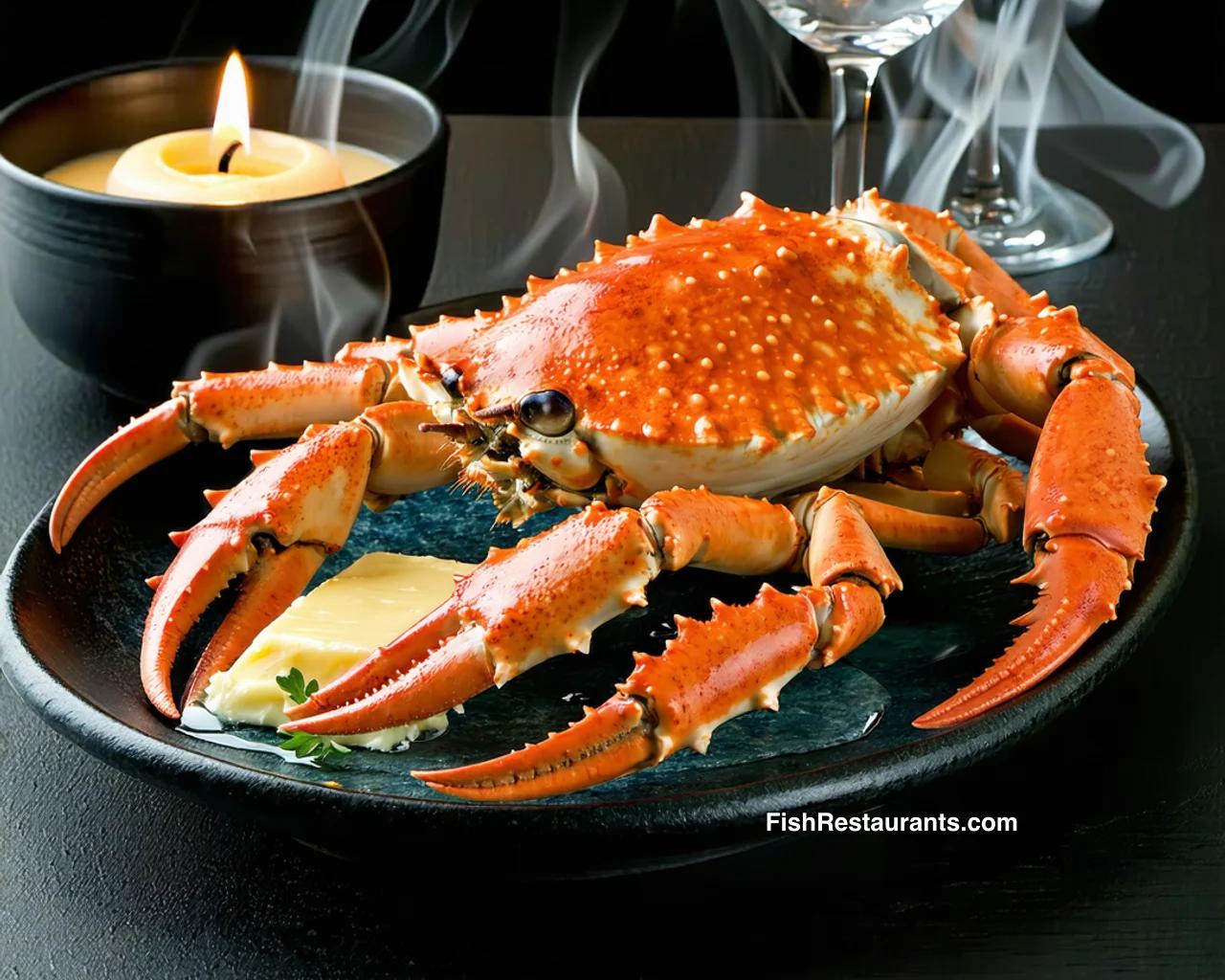
Frozen king and snow crab legs reheat best when thawed gently and steamed—not nuked dry. Butter at the finish replaces moisture you would otherwise lose to aggressive heat.
Holiday tables often start with vacuum-packed legs straight from the freezer. The meat is already cooked; your job is warming without stringiness.
Species and sizing context lives on the crab legs hub and broader crab guide; this page covers thaw and heat only.
Fridge thaw overnight
Leave legs in the original wrap or a tray on the bottom shelf 8–12 hours. Melted ice should drain away from the shell, not pool around meat.
Partial thaw is fine for steaming from cold—just add a few minutes of steam time and check the shoulder joint for warmth.
Steam setup that keeps legs juicy
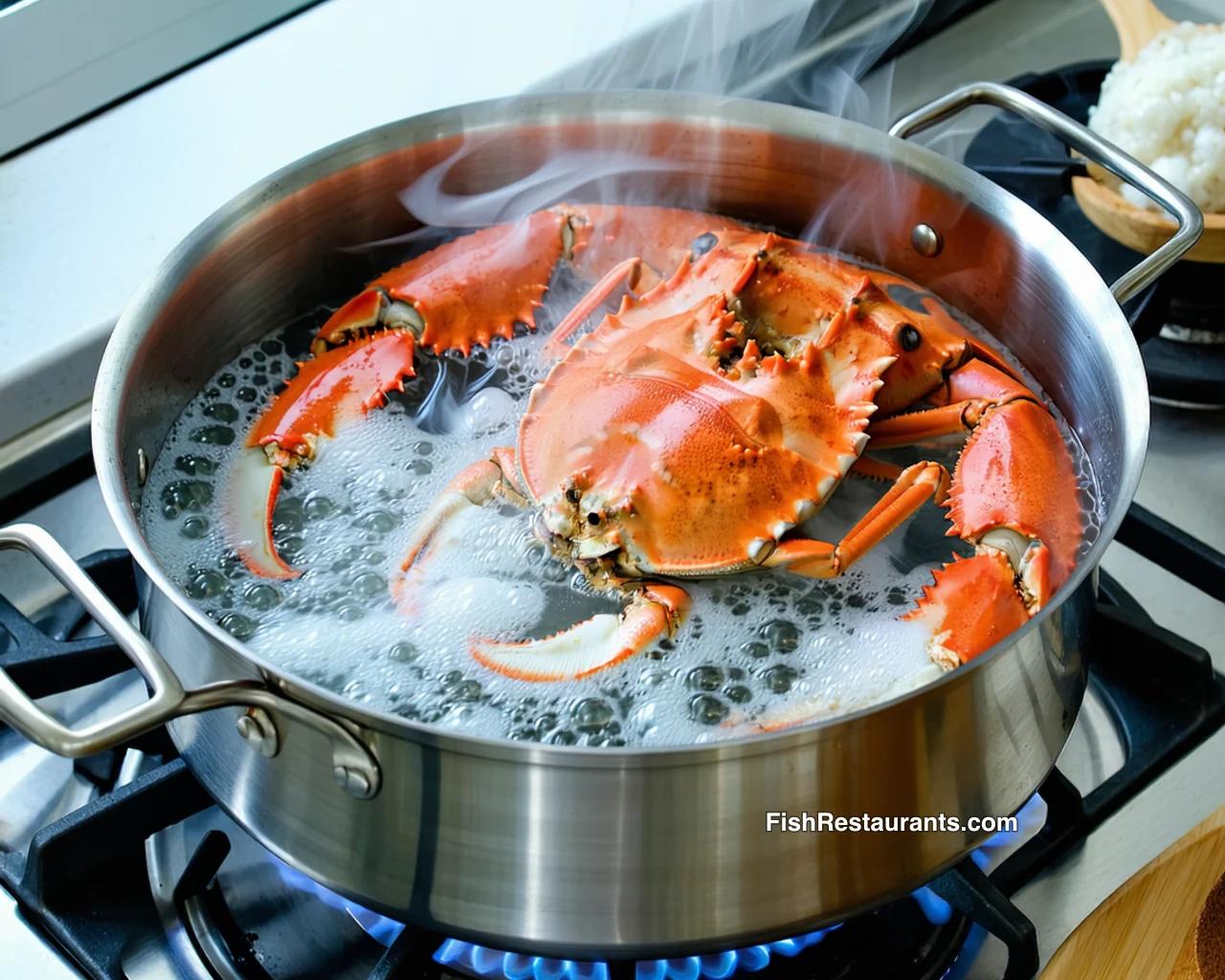
Use a pot with a steamer insert or a foil tray elevated on balls of foil. Water should boil below the legs, not touch them. Salt the water lightly so steam carries flavor without drowning the shell.
| Starting state | Steam time (guide) | Doneness cue |
|---|---|---|
| Fully thawed | 4–6 minutes | Shell hot, meat pulls in one piece |
| Partially frozen | 7–9 minutes | Flex at joint, no ice in center |
| Cluster cold-soaked | 5–7 minutes | Even warmth at thick knuckle |
Butter baste at the exit
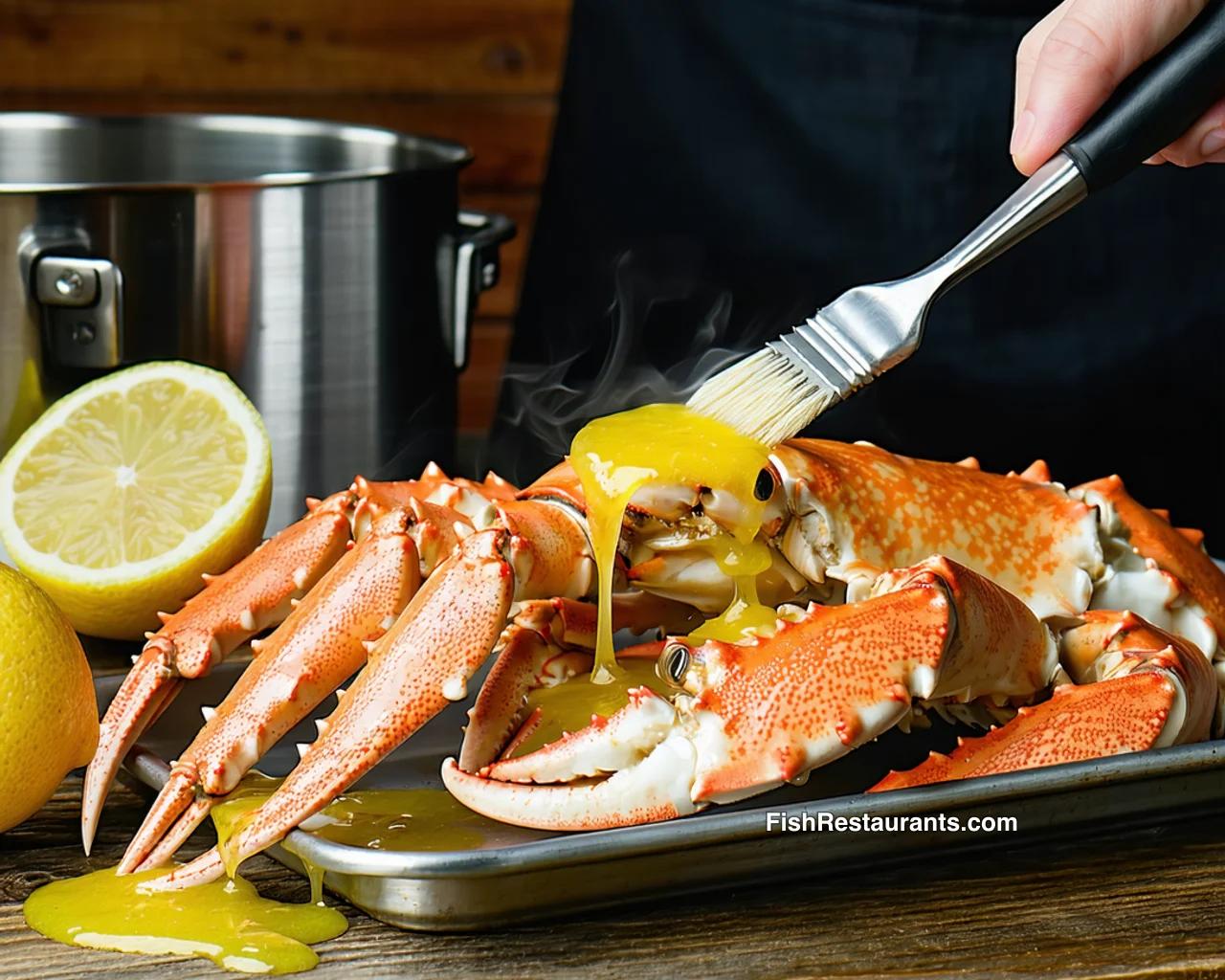
Brush melted butter mixed with a squeeze of lemon as legs leave the pot. Clarified butter adheres better than watery milk solids.
For garlic lovers, infuse butter off-heat so garlic does not burn on the shell.
Avoid the dry-out traps
Microwaving unevenly toughens thick knuckles while tips overcook. Baking uncovered without moisture dries shoulder meat first. Boiling submerged washes flavor into the water unless you are making bisque on purpose.
If you must oven-reheat, tent foil and add a splash of water to the pan base.
Serving and storage
Crack legs at the table with mallets and picks; pre-splitting cools meat fast. Leftover picked meat keeps two days refrigerated—reheat in buttered skillet low, not microwave blast.
Splitting clusters
Some packs arrive as connected clusters. Kitchen shears at knuckle joints make portions that fit the steamer without crowding—steam penetration stays even.
Compound butter finish
Roll soft butter with parsley, lemon zest, and Old Bay into a log. Slice coins onto hot legs so butter melts into shell crevices instead of sliding to the plate.
FAQ
Can I grill thawed legs?
Yes, briefly over medium with butter; watch flare-ups from fat.
Are black spots on shell safe?
Often pigment; smell the meat. Ammonia means discard.
Do I need to thaw before broiling?
Broiling from frozen risks cold centers; thaw or steam first, broil only to color.
Snow versus king timing?
Snow clusters are thinner; check at the low end of steam times.
Where to compare leg types?
See king versus snow notes on the crab legs guide.