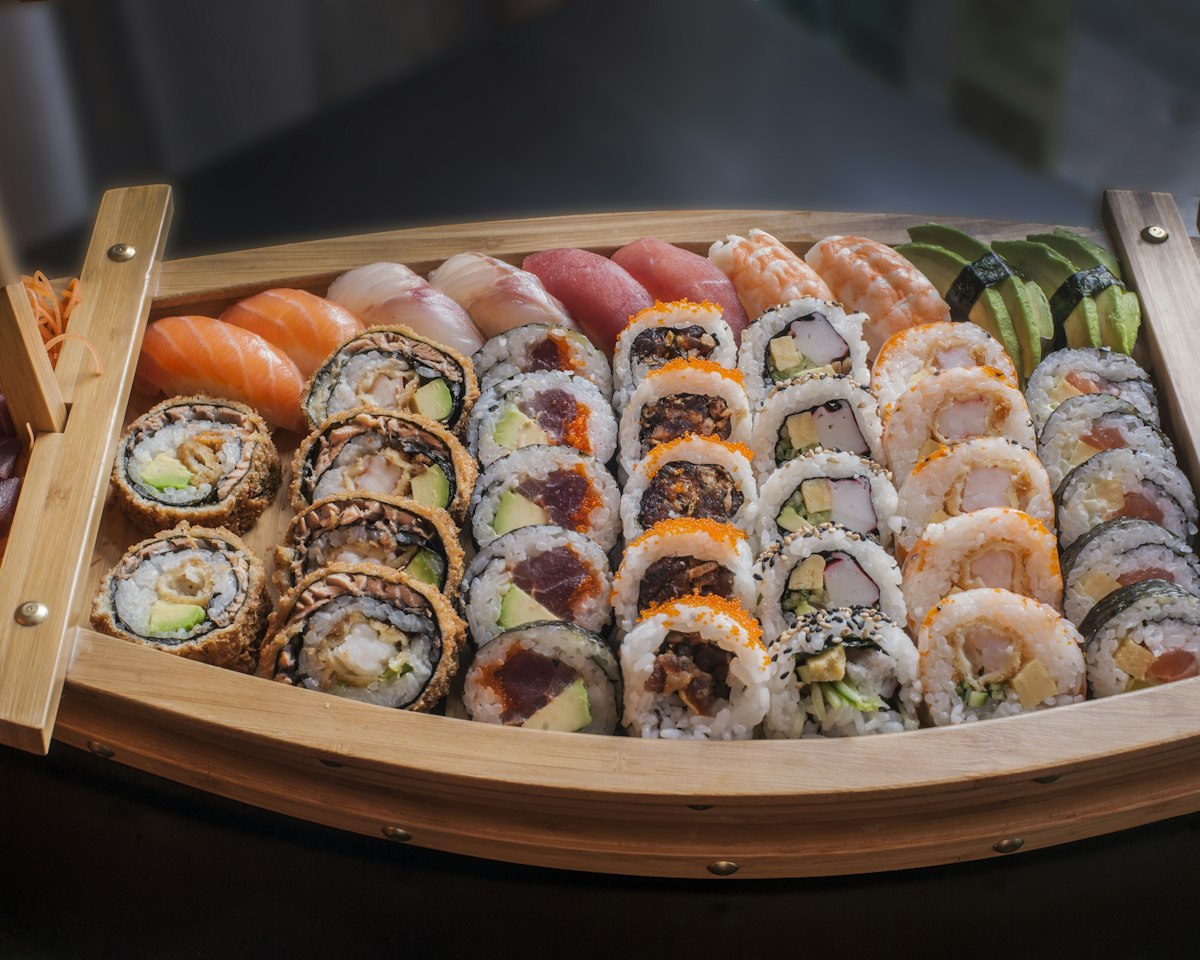
The Mediterranean formula is simple: fresh catch, charcoal or wood fire, olive oil, lemon, herbs. Whole fish on the grill beats fillets for moisture — snapper, sea bream, and sardines are staples.

Regional styles
- Greece — whole fish, ladolemono (oil-lemon dressing), seaside tavernas
- Spain — espetos (sardines on cane skewers) on Andalusian beaches
- Portugal — grilled sardines in summer festivals; bacalhau in winter kitchens
When to go
Spring and autumn often bring the best balance of weather and catch. Summer harbour festivals are crowded but atmospheric.
Further reading
- Mediterranean cuisine — useful background while you plan your meal.
- Grilling — useful background while you plan your meal.
Plan your meal
Compare grills and marisquerías in our hubs: seafood in Barcelona, Lisbon, and Athens via the Spain, Portugal, and Greece country pages.
The shared grammar, and where it breaks
From Casablanca to Athens to a Sicilian market town, the durable order is the same: a whole fish, olive oil or chermoula, lemon, a salad, and bread. The fish is sold by weight. The cook is grill, salt crust, or a shallow bake. What changes is the fat in the pan and the herb. Morocco leans on chermoula, preserved lemon, and cumin. Greece leans on oil, oregano, and a sharper argument about the kilo price. Southern Italy leans on alici, a baked fish, and less interest in a beach photo.
The tradition breaks in the same place everywhere: a menu in five languages, a photo of a lobster, and a fillet called "catch" with no species. That is a ferry kitchen wearing a fishing net on the wall. Ask the name of the fish and the price before it goes to the fire.
If you are travelling, open the city you will actually eat in rather than a Mediterranean overview. Athens, Casablanca, Rome, and Barcelona are different grills. The olive oil is the family resemblance, not the bill.